Texture Revival Becomes a Key Fabric Direction for 2026 Fashion
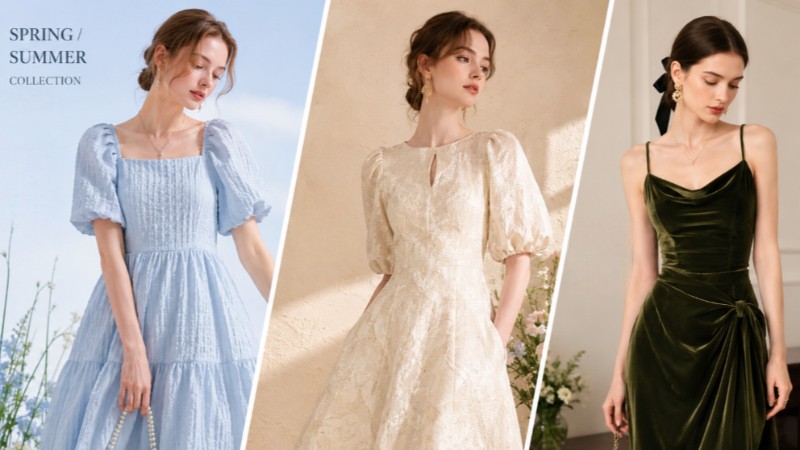
After years of minimalist aesthetics and smooth technical fabrics dominating fashion collections, texture is making a strong comeback. Across the Spring/Summer 2026 runway season and major textile trade shows, designers and fabric developers are increasingly embracing materials that offer visual depth, tactile appeal, and three-dimensional structure.
From seersucker and jacquards to velvet, bouclé, and sculptural knits, textured fabrics are emerging as one of the most noticeable material trends shaping the next generation of fashion products.
Fashion Moves Toward More Sensory Experiences
Industry experts point to a growing desire for clothing that delivers more than visual appeal. Consumers are increasingly seeking products that create a richer sensory experience, particularly as digital shopping and AI-generated imagery become more common.
According to trend insights released by Première Vision for Spring/Summer 2026, fabrics featuring airy structures, raised surfaces, subtle crinkles, and decorative textures are gaining momentum as brands look to create garments with greater emotional and tactile value.
Rather than relying solely on color or print, designers are using fabric construction itself to create interest. Three-dimensional jacquards, puckered surfaces, layered weaves, and textured yarns are becoming important design tools.
Seersucker, Jacquards and Bouclé Gain New Relevance
Several traditional fabric categories are benefiting from this shift.
Seersucker, long associated with warm-weather tailoring, is being reinterpreted with lighter constructions and more contemporary silhouettes. The fabric's naturally puckered surface adds dimension without requiring additional finishing processes.
Jacquard fabrics are also evolving. Advances in weaving technology allow manufacturers to create increasingly complex patterns, relief effects, and geometric structures directly within the fabric. This makes texture a built-in feature rather than a decorative add-on.
Meanwhile, bouclé fabrics—known for their looped and irregular yarn texture—are extending beyond classic jackets and becoming more common in knitwear, accessories, and upholstery-inspired fashion pieces.
Luxury Brands Continue Investing in Surface Innovation
Many luxury houses have been exploring texture as a key differentiator.
Chanel has long relied on tweed and bouclé constructions to create recognizable visual identities, while brands such as Bottega Veneta and Loewe have increasingly emphasized material craftsmanship and surface detail in recent collections.
At the same time, designers are experimenting with embossed fabrics, engineered pleats, laser-cut lace structures, and layered textile constructions that create movement and depth without excessive embellishment.
The result is a shift away from flat surfaces toward fabrics that invite closer inspection and physical interaction.
Texture Is Becoming a Material Story
For textile manufacturers, the trend represents more than a seasonal aesthetic preference.
As sustainability pressures continue to limit excessive trims, coatings, and decorative components, many brands are looking for ways to create product differentiation directly through fabric construction.
Textured materials can help garments stand out while reducing reliance on additional decorative elements. In some cases, visual interest is created entirely through yarn selection, weave structure, or knitting techniques.
This approach aligns with a broader industry move toward material-led design, where the fabric itself becomes the primary source of value and storytelling.
What Comes Next?
The growing popularity of textured fabrics suggests that future fashion collections may place greater emphasis on touch, structure, and craftsmanship.
While technical performance and sustainability remain critical priorities, the industry is increasingly recognizing that emotional connection also plays an important role in product success.
For textile mills and material developers, this creates opportunities to innovate through weaving, knitting, and surface engineering rather than relying solely on new fiber technologies.
As fashion continues to balance functionality with experience, texture is emerging as one of the defining fabric directions for 2026.