Technical Guide to Organic Cotton Fabrics: Types, GSM & Performance
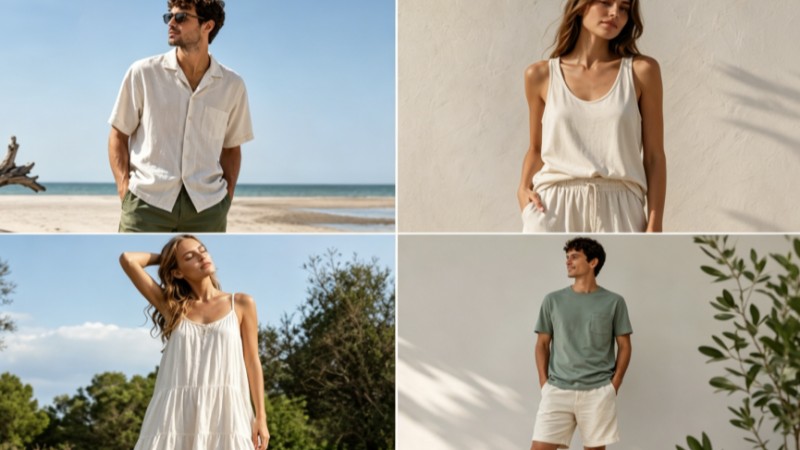
Organic cotton has evolved from a sustainability niche into a globally recognized textile engineering standard. For textile professionals, sourcing teams, and product developers, understanding organic cotton fabric requires more than evaluating eco-friendly claims. It involves analyzing weave structures, GSM ranges, fiber integrity, moisture management, thermal behavior, and long-term durability.
A true 100% organic cotton fabric is defined not only by the absence of synthetic pesticides, GMOs, and toxic chemical residues, but also by how those fibers are engineered into high-performance textiles for apparel, bedding, medical fabrics, and industrial applications.
1. Organic Cotton Fabric Types Explained: Technical Comparison Matrix
In textile manufacturing, fabric performance is largely determined by two factors:
· GSM (Grams per Square Meter) — influences weight, density, and insulation
· Weave or knit structure — determines breathability, stretch, moisture handling, and surface texture
The table below compares the most widely used organic cotton fabric varieties in commercial textile production.
Organic Cotton Fabric Type | Typical GSM | Weave / Knit Structure | Key Performance Attribute | Common Applications |
Organic Cotton Muslin | 60–120 GSM | Open Plain Weave | Maximum airflow & breathability | Baby swaddles, summer garments |
Organic Cotton Gauze | 50–100 GSM | Open / Crinkled Weave | Superior moisture absorption | Medical textiles, layering fabrics |
Organic Cotton Jersey | 130–200 GSM | Circular Knit | Natural mechanical stretch | T-shirts, underwear, base layers |
Organic Cotton Sateen | 200–400 GSM | Four-over-one Satin Weave | Smooth surface & natural luster | Luxury bedding, premium drapery |
Organic Cotton French Terry | 250–400 GSM | Loopback Knit | Moisture management | Loungewear, athleisure |
Organic Cotton Fleece | 280–500 GSM | Brushed / Napped Surface | Thermal insulation | Hoodies, blankets, winter apparel |
2. How Weave Structure Affects Organic Cotton Fabric Performance
Organic Cotton Muslin & Gauze: Lightweight Breathability and Moisture Control
Organic cotton muslin fabric uses a low thread-count plain weave that creates an open structure for enhanced airflow. This construction improves thermal regulation and moisture evaporation, making muslin highly effective for hot-weather apparel and baby products.
Similarly, organic cotton gauze fabric incorporates a looser, often crinkled weave that increases absorbency while maintaining softness. Double gauze structures improve dimensional stability without significantly increasing weight.
Key Technical Advantages
· Excellent breathability
· Fast moisture dispersion
· Soft hand feel for sensitive skin
· Lightweight layering capability
Best Industrial Uses
· Infant textiles
· Medical fabrics
· Warm-climate apparel
· Scarves and breathable fashion fabrics
Organic Cotton Sateen Fabric: Achieving Luxury Without Synthetic Finishes
Organic cotton sateen fabric achieves a smooth, silk-like appearance through a four-over-one satin weave structure. This weaving method exposes more thread surface area to light, creating natural luster without relying on polyester blends or heavy chemical finishing.
Compared with plain-weave cotton fabrics, sateen offers:
· Higher density
· Better drape
· Increased abrasion resistance
· Softer tactile performance
Because of its heavier GSM and tighter weave, sateen is widely used in premium hospitality and luxury home textile manufacturing.
Technical Characteristics of Organic Cotton Sateen
· Smooth surface finish
· Enhanced durability
· Higher thread density
· Improved comfort against skin
Common Applications
· Luxury bedding
· High-end pillowcases
· Decorative drapery
· Premium sleepwear
Organic Cotton Fleece vs French Terry: Thermal Engineering Differences
Organic Cotton Fleece Fabric
Unlike polyester fleece, organic cotton fleece fabric generates insulation through mechanical brushing rather than synthetic fiber lofting. The brushed surface traps warm air pockets, improving thermal retention while maintaining breathability.
Organic Cotton French Terry Fabric
Organic cotton French terry fabric remains unbrushed, exposing looped yarns on the inner surface. These loops increase surface area for moisture absorption and evaporation, making French terry highly suitable for transitional-weather garments and active loungewear.
Fleece vs French Terry Comparison
Feature | Organic Cotton Fleece | Organic Cotton French Terry |
Surface | Brushed | Loopback |
Warmth | Higher insulation | Moderate warmth |
Breathability | Moderate | High |
Moisture Handling | Good | Excellent |
Ideal Use | Winter apparel | All-season loungewear |
Organic Cotton Jersey Fabric: Understanding Natural Stretch Mechanics
Organic cotton jersey fabric is a single-knit textile engineered for flexibility and comfort. Its elasticity comes from loop geometry rather than elastane or spandex additives.
When tension is applied:
1. The knitted loops flatten
2. The fabric elongates naturally
3. The loops recover once tension is released
This structure allows jersey fabric to deliver comfortable stretch while maintaining the purity of a 100% organic cotton composition.
Why Organic Cotton Jersey Is Popular
· Soft skin-contact performance
· Lightweight flexibility
· Excellent drape
· Reduced chemical exposure
Typical End Uses
· T-shirts
· Babywear
· Underwear
· Sleepwear
· Base layers
3. GOTS vs OCS Certification: Which Organic Cotton Standard Matters More?
For an organic natural cotton fabric to maintain both environmental and mechanical integrity, certification standards are critical.
GOTS (Global Organic Textile Standard)
GOTS certification regulates the entire textile production chain, including:
· Organic fiber sourcing
· Dye toxicity
· Wastewater treatment
· Chemical processing restrictions
· Worker safety requirements
From a technical standpoint, GOTS-certified fabrics often demonstrate:
· More stable pH levels
· Lower chemical residue
· Better long-term fiber strength
· Reduced degradation from harsh finishing chemicals
OCS (Organic Content Standard)
OCS certification only verifies the percentage of organic fibers within the material. It does not regulate:
· Dye chemistry
· Finishing agents
· Wastewater systems
· Toxic processing substances
Which Certification Is Better?
For applications involving:
· Sensitive skin
· Baby products
· Premium bedding
· Long-term durability
· High tensile strength requirements
GOTS-certified organic cotton fabric is generally the preferred option.
4. Common Questions About Organic Cotton Fabric Performance
Does 100% Organic Cotton Shrink More Than Conventional Cotton?
Yes, potentially.
Because organic cotton fabrics are often processed without resin finishes or liquid ammonia treatments, shrinkage rates may reach 5–8% after the first wash unless pre-shrunk through sanforization.
For commercial textile manufacturing, pre-shrinking remains an essential quality-control step.
Why Is Organic Cotton Fleece Heavier Than Polyester Fleece?
Cotton fibers are naturally denser than polyester fibers. While polyester fleece offers lighter weight, organic cotton fleece provides:
· Better breathability
· Reduced static buildup
· Improved comfort
· Less overheating during prolonged wear
This makes cotton fleece more suitable for consumers prioritizing natural fiber comfort over ultra-lightweight performance.
How Can You Identify Real Organic Cotton Fabric?
Authentic organic cotton fabrics often retain subtle natural characteristics, including:
· Slight fiber waxiness
· Small cotton seed flecks in unbleached versions
· Softer matte appearance
· Absence of slippery chemical-coated texture
In contrast, heavily finished conventional cotton may feel overly smooth, stiff, or artificially crisp due to formaldehyde-based treatments.
5. Final Thoughts: Choosing the Right Organic Cotton Fabric for Performance and Sustainability
Selecting the ideal organic cotton fabric involves balancing:
· GSM weight
· Weave geometry
· Thermal behavior
· Moisture management
· Durability requirements
· Certification standards
Whether your application requires the airflow of organic cotton muslin, the luxurious drape of sateen, or the insulation performance of brushed fleece, modern organic cotton textiles can now rival — and often exceed — conventional cotton in both comfort and technical functionality.
As the textile industry continues moving toward safer chemical processing and long-term material sustainability, organic cotton fabrics are becoming not just an environmental preference, but a high-performance engineering choice for professional textile production.