2026 Key Performance Apparel Trends Shaping the Athletic Wear Landscape
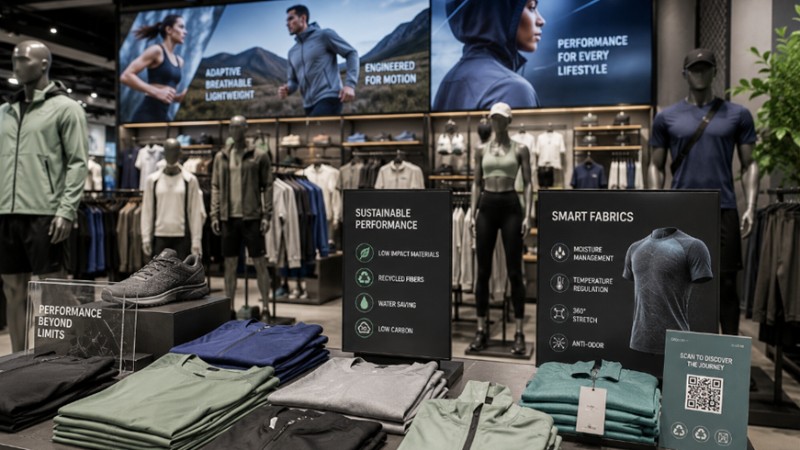
As the performance apparel market evolves in 2026, the fusion of technology, comfort, sustainability, and lifestyle convergence is transforming how brands design, produce, and position activewear. Beyond traditional athletic gear, 2026's trends reflect broader shifts in consumer expectations, material innovation, and textile performance standards.
1. Functional Comfort Beyond Sweat Management
While moisture-wicking and quick-dry technologies remain foundational, performance apparel in 2026 is moving toward fabrics that address comfort holistically.
Key developments:
· Visual comfort textiles, like sweat-masking materials that reduce visible wet patches
· Temperature-adaptive knits that respond to heat and humidity changes
· Stretch support fabrics that combine stability with movement freedom
These innovations prioritize how garments feel, look, and adapt throughout daily activities rather than just manage moisture.
2. Sustainable Performance Materials with Real Impact
Sustainability is now measured by material science outcomes, not just recycled content percentages.
Leading trends include:
· Low-impact recycled synthetics with reduced carbon footprint
· Bio-based elastomers and fibers that replace traditional nylon and spandex blends
· Circular textile systems enabling fiber-to-fiber recycling for performance fabrics
Brands are shifting from generic sustainability claims to measurable reductions in water use, emissions, and waste throughout the supply chain.
3. Hybrid Active-Life Wear
Performance apparel is no longer strictly for the gym. In 2026, the boundary between activewear, athleisure, and everyday wear continues to blur.
Drivers behind this shift:
· Remote work and hybrid lifestyles increase demand for versatile apparel
· Smart textiles integrated into casual wear for comfort and utility
· Cross-category functional pieces (e.g., anti-odor office wear, commute-ready knits)
Consumers now view their wardrobe as a performance ecosystem, where garments transition seamlessly between training, errands, and social settings.
4. Intelligent Fabrics and Wearable Connectivity
With the rise of health and activity tracking, textiles are integrating smart technologies more meaningfully.
Key applications:
· Embedded textile sensors for continuous biometrics
· IoT-connected apparel that syncs with mobile apps
· Thermal feedback smart fabrics that adjust based on sensor data
While fully integrated smart clothing remains emerging, 2026 has seen accelerating interest in fabrics that collect, inform, and adapt to wearer condition without compromising comfort.
5. Tactile and Structural Material Expression
2026's performance material vocabulary includes stronger emphasis on texture and three-dimensional surface engineering.
Noteworthy material trends:
· 3D jacquards and layered knits for structure and aesthetic interest
· Embossed textures that enhance stretch and recovery
· Micro-structured yarns that influence breathability and heat exchange
This trend reflects a broader industry move toward fabrics that feel good, look distinctive, and perform technically.
6. Enhanced Protection Without Compromise
Performance textiles are expanding protection functions beyond traditional domains:
· UV-protective activewear
· Anti-odor and antimicrobial treatments
· Wind and micro-climate management layers
These fabric functions focus on everyday environmental comfort, meeting consumer expectations for apparel that performs in varied climates and activity contexts.
7. Personalization and Adaptive Fit Engineering
Advances in knitting and digital patterning are enabling tailored performance fit without manual alteration.
Included trends:
· 3D body scanning optimized fit
· Adaptive knit zones for targeted support and compression
· Zero-waste cut and sew alternatives with engineered geometry
These developments allow brands to balance comfort, performance, and sustainability while catering to individual body types.
8. Elevated Material Transparency and Traceability
Driven by regulatory change and consumer demand for accountability, performance apparel increasingly embeds traceability into material narratives.
This includes:
· Digital Product Passports (DPP)
· Supply chain RFID/QR traceability
· LCA (Life Cycle Assessment) data on fiber tags
Transparency is now a differentiator; consumers seek performance logic backed by environmental data, not just branding.
Conclusion: A Multifaceted Performance Apparel Outlook
In 2026, performance apparel continues to evolve from purely functional athletic gear toward a holistic, adaptive, and sustainable fashion ecosystem. Consumers no longer accept performance only in the gym — they demand it across daily life, with enhanced comfort, visual confidence, environmental accountability, and intelligent functionality.
For brands and textile innovators alike, the future of performance apparel lies at the intersection of:
· Material science
· Consumer experience
· Sustainability outcomes
· Smart connectivity
This evolution is not a fleeting trend but a structural shift defining the next decade of athletic and lifestyle apparel.