Bezos Earth Fund Pumps $34 Million into Next-Generation Textile Materials
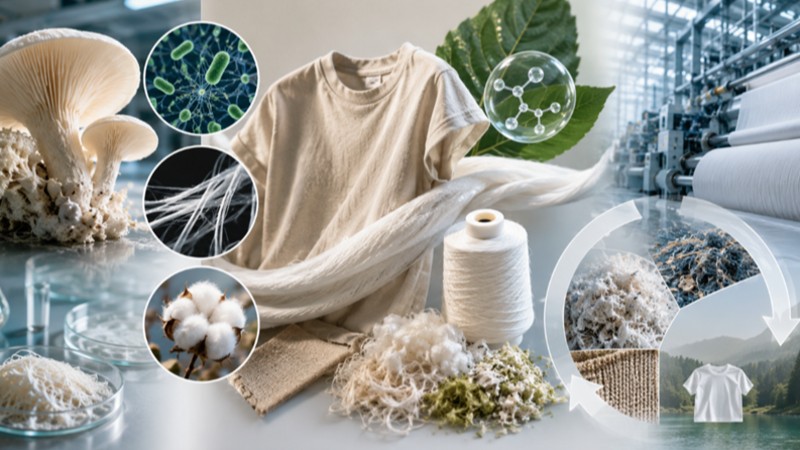
The Bezos Earth Fund has committed $34 million to advance next-generation materials for the fashion and textile industry, marking one of 2026's most significant investments in sustainable material innovation. The initiative targets bio-based fibers, lab-grown alternatives, and circular solutions capable of reducing reliance on cotton and synthetic plastics.
Driving Innovation Beyond Traditional Fibers
Conventional cotton production remains resource-intensive, requiring roughly 2,700 liters of water per T-shirt, according to the World Wildlife Fund (WWF). Synthetic alternatives, meanwhile, contribute to fossil fuel dependency and microplastic pollution. By funding research into new fibers, the initiative aims to close the gap between experimental lab materials and commercially viable textiles.
“This is not just about sustainable marketing; it's about creating materials that can scale and perform,” said a spokesperson for the fund. “Next-generation fibers will need to meet the expectations of designers, manufacturers, and consumers alike.”
Focus Areas: Mycelium, Lab-Grown Fibers, and Advanced Cotton
The grants support multiple research streams:
· Columbia University, in collaboration with the Fashion Institute of Technology, is exploring bacteria-grown fibers using agricultural waste to create soft, breathable, biodegradable yarns.
· UC Berkeley is developing spider silk-inspired proteins for high-performance biodegradable fibers.
· Clemson University and the Cotton Foundation are researching resilient, low-impact cotton variants to complement entirely new bio-based materials.
“These projects illustrate a broader trend: the future of textiles may rely as much on biology and waste valorization as on traditional crops,” said textile analyst Charlotte Liu.
High-End Fashion Brands Test the Waters
Luxury brands are already engaging with biomaterials. Stella McCartney has collaborated with Bolt Threads to showcase Mylo™, a mycelium-based leather alternative, in handbags and footwear. Hermès has partnered with MycoWorks to experiment with Fine Mycelium™, targeting high-end craftsmanship and surface consistency. These collaborations highlight the growing convergence between sustainability goals and material innovation.
Scaling Challenges Remain
Despite excitement, industrial scalability remains a major hurdle. Maintaining consistent texture, strength, color stability, and compatibility with existing production lines continues to challenge developers. Early-stage companies like MYCL and Bolt Threads are investing in pilot manufacturing infrastructure to bridge the gap from laboratory to commercial production.
Why This Matters
The funding comes at a time when brands face stricter carbon targets, PFAS regulations, and rising consumer demand for low-impact materials. Next-generation fibers are no longer a niche concern—they are becoming strategic assets for supply chain resilience and long-term competitiveness.
For textile manufacturers and material developers, the critical question is not whether these fibers can exist in labs, but whether they can integrate into real-world production at scale, balancing sustainability, performance, and cost.