What Is Olefin (Polypropylene) Fabric? Properties and Uses
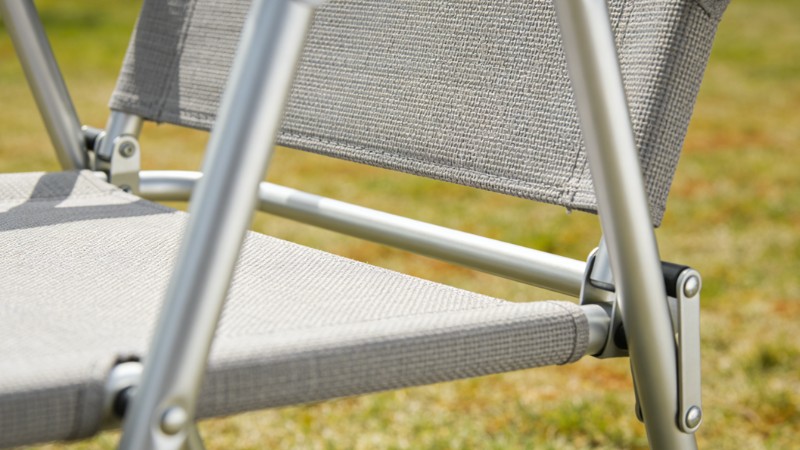
Olefin fabric—chemically known as polypropylene—carries a misleading anonymity. Despite its low profile, this synthetic textile powers countless applications across homes and industries worldwide. Its unique blend of durability, stain resistance, and colorfastness makes it a go-to choice for many applications. Let's explore what olefin fabric is, what makes it special, and where you'll find it.
Defining Olefin Fabric: A Synthetic Fiber Explained
Olefin, or polypropylene fabric, is a man-made textile derived from petroleum. It's created by polymerizing propylene gas into long chains of plastic, which are then spun into fine, strong fibers. These fibers can be woven or knitted into fabrics known for their practical performance.
The Chemistry of Olefin: From Petrochemicals to Polymer
The journey starts with propylene, a byproduct of oil and natural gas refining. Through a process called addition polymerization, these propylene molecules are linked into long, stable chains called polypropylene. This polymer is melted and extruded through tiny spinnerets to create continuous filaments, which are then stretched, textured, and spun into the yarn used to make olefin fabric.
Olefin vs. Polypropylene: Is There a Difference?
In practical terms, no. "Polypropylene" is the precise chemical name for the plastic polymer. "Olefin" is the generic textile industry term for fibers and fabrics made from this polymer (and sometimes polyethylene). When you're shopping for furniture or rugs, you'll usually see "olefin" used to describe the material.
Key Properties and Characteristics of Olefin Fabric
The value of this polypropylene textile comes from a specific set of physical and chemical traits. Understanding these olefin fabric properties helps explain why it's chosen for so many different jobs.
Strength, Durability, and Abrasion Resistance
Olefin fibers have high tensile strength, meaning they resist breaking under tension. This, combined with excellent abrasion resistance, makes the fabric tough against everyday wear, scuffing, and fraying. It's a primary reason it's used in high-traffic areas.
Moisture Management and Stain Resistance
Olefin is inherently hydrophobic—it repels water. Moisture sits on the surface or passes through the weave without being absorbed, which allows for quick drying. Because most common stains (like coffee or wine) are water-based, they tend to bead up and can be blotted away before setting.
Colorfastness and Fade Resistance
This is a standout feature. Olefin is typically "solution-dyed." This means pigments are added to the liquid polymer before it's extruded into fiber, locking color into the very core of the material. The result is exceptional resistance to fading from sunlight, chlorine, bleach, and harsh chemicals.
Lightweight and Comfort
Polypropylene is one of the lightest synthetic fibers. Fabrics made from it are easy to handle and install. In apparel, this low density contributes to a light, comfortable feel, which is ideal for performance layers.
Common Applications and Uses of Polypropylene Textile
Thanks to its property profile, olefin synthetic fiber has carved out essential roles across several markets.
Indoor and Outdoor Furniture Upholstery
Its fade and moisture resistance make olefin a champion for outdoor cushions, patio sets, and sunroom furniture. Indoors, its durability makes it a practical choice for family room sofas and chairs that see daily use.
High-Performance Carpets and Area Rugs
You'll find olefin widely used in commercial carpets, indoor-outdoor rugs, and automotive carpets. Its stain resistance is a major selling point for spaces prone to spills, like basements, playrooms, and restaurants.
Activewear and Performance Apparel
That moisture-wicking capability is perfect for activewear. Olefin is often used in thermal base layers, athletic socks, and sportswear where moving sweat away from the skin is a priority for comfort and temperature regulation.
Industrial and Geotextile Applications
Beyond the home, olefin's strength and resistance to rot, mildew, and chemicals make it ideal for sandbags, erosion control mats, protective tarps, and ground stabilization fabrics.
Advantages and Disadvantages of Olefin Fabric
Like any material, olefin has a balance of strengths and weaknesses to consider for your project.
Pros: Why Choose Olefin?
Cost-Effective: Generally less expensive than many other performance fabrics.
Durable & Stain-Resistant: Stands up to heavy use and easy to clean.
Colorfast: Colors stay vibrant for years, even in sun.
Lightweight & Quick-Drying: Practical for many applications.
Cons: Important Limitations to Consider
Heat Sensitivity: Has a low melting point. Avoid direct contact with high heat from irons, hair dryers, or fire pits.
Poor Elasticity: Doesn't stretch much and can be prone to oil-based stains, which it may absorb.
Feel: Some olefin fabrics can have a slightly plastic-like or rough hand feel compared to natural fibers.
Care and Maintenance Guide for Olefin Fabrics
Proper care extends the life of your olefin items. The rules are simple but important.
Cleaning Best Practices for Upholstery and Rugs
For spills, blot immediately—don't rub. Most stains can be lifted with a mild detergent and water. Many olefin upholstery and rugs are machine washable; always use cold water and a gentle cycle, and air dry.
What to Avoid: Protecting Your Olefin Products
Never use high heat. Avoid steam cleaning with excessively hot water, and keep irons and dryers away. Also, steer clear of strong solvents or dry-cleaning chemicals, which can damage the fibers.
Olefin in Context: Comparing Synthetic Fibers
Seeing how olefin stacks up against other common synthetics clarifies its best uses.
Olefin vs. Polyester: Moisture and Feel
Both are durable, but olefin is more hydrophobic and dries faster. Polyester often has a softer, more cotton-like feel and is more elastic, making it more common in general apparel.
Olefin vs. Nylon: Strength and Resilience
Nylon is generally stronger and has superior abrasion resistance and elasticity, which is why it dominates in high-wear items like luggage and seatbelts. Olefin wins on colorfastness, moisture resistance, and cost for many outdoor and stain-prone applications.
The Future and Sustainability of Olefin Fabric
The conversation around olefin increasingly includes its environmental footprint. On the positive side, polypropylene is recyclable (resin code #5), and some manufacturers are creating fabrics from post-consumer recycled content. Its durability also means products last longer. The challenge remains its origin from fossil fuels and energy-intensive production. Innovation in bio-based polypropylene and improved recycling infrastructure are key areas for making this versatile polypropylene textile more sustainable.
FAQs About Olefin Fabric
Is olefin fabric good for outdoor use?
Yes, it's excellent. Its resistance to moisture, mildew, and UV fading makes it a top choice for outdoor cushions, umbrellas, and patio furniture.
Can olefin fabric be washed in a washing machine?
Often, yes. Many olefin rugs and removable upholstery covers are machine washable. Always use cold water on a gentle cycle and air dry to prevent heat damage.
Is olefin fabric safe and non-toxic?
In its finished form, olefin is considered inert and non-toxic. It's used in food containers and medical textiles. It doesn't off-gas harmful VOCs like some treated fabrics might.
How does olefin compare to Sunbrella fabric?
Sunbrella is a branded solution-dyed acrylic fabric. Both are fade-resistant and used outdoors. Olefin is typically more water-resistant and affordable, while Sunbrella often has a softer, more natural fabric hand feel.
What are the main disadvantages of olefin upholstery?
The two biggest are its sensitivity to heat (it can melt) and its potential to absorb oily stains. It also has less stretch and can feel less plush than some other upholstery materials.