The Ultimate Guide to Summer Fabrics: Stay Cool and Comfortable
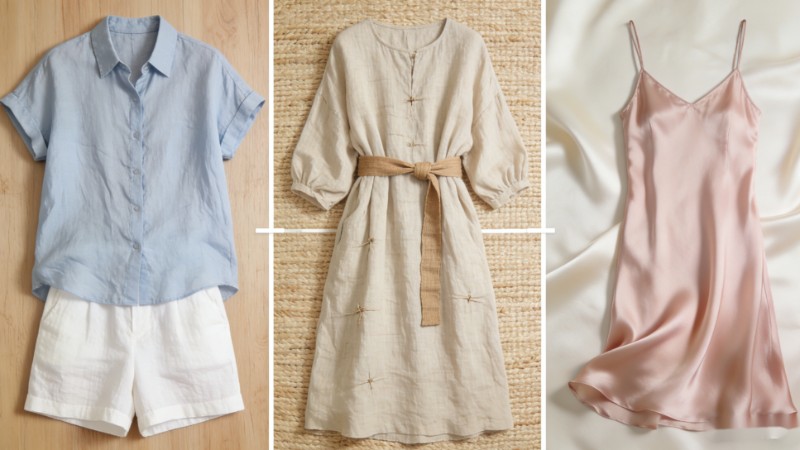
Stop sweating through your clothes. Choosing the right summer fabric is the fastest way to stay cool when temperatures spike—and it has nothing to do with fashion trends. This guide explores the best breathable fabrics for summer clothing, explaining why they work and how to choose them for any activity.
Why Your Fabric Choice Matters in Hot Weather
In summer, your clothing becomes your first line of defense against heat. The right fabric manages sweat, promotes airflow, and reflects sunlight, while the wrong one can trap heat and moisture against your skin, making you feel sticky and overheated.
How Breathable Fabrics Keep You Cool
Breathability refers to a fabric's ability to let air pass through it. Combined with moisture-wicking—pulling sweat away from your skin to evaporate—these properties create a cooling effect. This natural evaporation is your body's best cooling system, and the right fabric supports it.
Common Fabric Mistakes to Avoid in Summer
Some fabrics are summer foes. Avoid thick, non-porous materials like standard polyester, acrylic, or heavy denim. They trap heat and sweat, leading to discomfort. Even some natural fibers in very tight weaves can be less effective.
Top 7 Breathable Fabrics for Summer Clothing
Here are the top-performing fabrics that answer the search for the best fabric for hot weather. Each offers a unique balance of breathability, comfort, and style.
1. Linen: The King of Summer Coolness
Made from flax plant fibers, linen is exceptionally breathable and moisture-wicking. Its loose weave allows maximum airflow, and it gets softer with every wash. It’s the gold standard for a reason, offering a classic, relaxed look perfect for casual outings.
2. Cotton: The Reliable, All-Purpose Choice
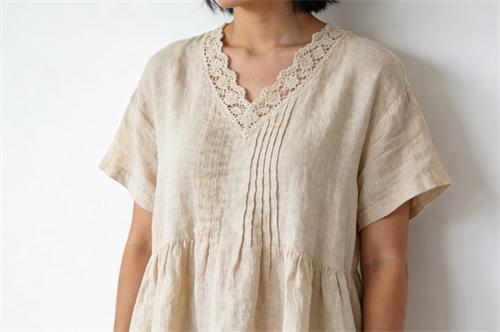
Cotton is a versatile, natural fiber loved for its softness and breathability. For summer, opt for lighter weaves like poplin, voile, or seersucker. These cotton variations are incredibly lightweight clothing fabrics ideal for everything from t-shirts to dresses.
3. Chambray: The Lightweight Denim Alternative
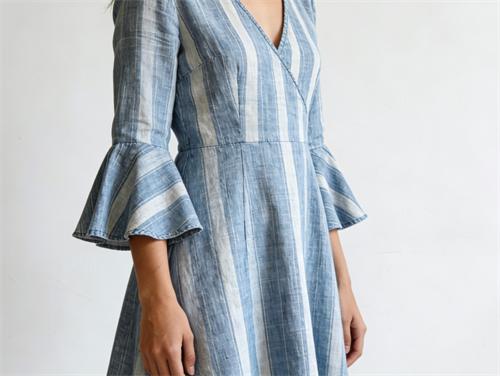
Chambray looks like denim but is woven like a shirt, making it far lighter and more breathable. It provides that casual, denim aesthetic without the heaviness, making it a perfect summer fabric for shirts and lightweight jackets.
4. Rayon/Viscose: The Silky, Draping Option
Derived from plant cellulose, rayon is lightweight, highly absorbent, and has a beautiful drape. It’s a fantastic breathable summer fabric for flowing dresses and blouses, though it requires gentle care as it can be delicate when wet.
5. Tencel/Lyocell: The Eco-Conscious Performer
Tencel is a branded form of lyocell, made from sustainably sourced wood pulp in a closed-loop process. It excels at moisture management, feels luxuriously smooth, and is naturally breathable, making it a top-tier choice for conscious consumers.
6. Bamboo: The Naturally Moisture-Wicking Fabric
Bamboo fabric is soft, naturally antibacterial, and has excellent moisture-wicking properties. It’s a comfortable, eco-friendly option that feels cool to the touch, though it’s often processed into rayon, so check the label if sourcing is a concern.
7. Lightweight Merino Wool: The Surprising Cool-Weather Hero
It sounds counterintuitive, but fine-gauge merino wool is brilliant for summer. It wicks moisture better than cotton, regulates temperature, and resists odors. Look for garments labeled as "lightweight" or "summer weight" merino for travel and performance wear.
How to Choose the Right Summer Fabric for You
Selecting the best fabric for hot weather depends on more than just fiber content. Consider how you’ll wear it.
Consider the Activity: Work, Travel, or Leisure
Casual/Leisure: Linen, cotton, and chambray are ideal for their comfort and breathability.
Office Wear: Opt for fine cotton poplin, lightweight wool blends, or Tencel for a polished, cool look.
Active/Sports: Technical blends with moisture-wicking properties or lightweight merino are best.
High Humidity: Linen and moisture-wicking synthetics (like certain performance polyesters) dry quickly.
Understanding Weave and Weight: Poplin vs. Jersey
The construction matters. A tight weave (like a standard cotton sheet) is less breathable than a loose one (like linen). Weight, often measured in GSM (grams per square meter), is also key. For summer, look for lighter weights. A breezy cotton poplin (lightweight and crisp) behaves very differently than a cotton jersey (which can cling).
Caring for Your Summer Fabrics to Last
Delicate summer fabrics need proper care. Wash linen and cotton in cool water to prevent shrinkage. Turn rayon and Tencel garments inside out and use a gentle cycle or hand wash. Air-drying is best for most natural fibers to preserve fibers and prevent heat damage. Iron linen while slightly damp for best results.
Final Thoughts on Building a Cool Summer Wardrobe
Building a comfortable summer wardrobe starts with intelligent fabric choices. By prioritizing natural, breathable fibers and understanding weave and weight, you can stay cool without sacrificing style. Remember, the best summer fabrics work with your body to manage heat and moisture. Investing in pieces made from these materials is an investment in your comfort all season long.
FAQ: Your Summer Fabrics Questions Answered
What is the most breathable fabric for extreme heat?
Linen is widely considered the most breathable fabric for extreme heat due to its loose weave and excellent moisture-wicking properties, allowing for maximum airflow.
Is polyester ever a good choice for summer clothing?
Traditional polyester traps heat. However, modern performance polyester is engineered for moisture-wicking and breathability, making it suitable for athletic wear where quick drying is needed.
How can I tell if a fabric is breathable before buying it?
Check the fiber content label for natural materials like linen, cotton, or Tencel. Hold the fabric up to light; if you can see through the weave slightly, it’s likely more breathable.
What is the best fabric for summer humidity?
Linen and lightweight, moisture-wicking performance fabrics are excellent for humidity as they absorb moisture and dry quickly, preventing that damp, sticky feeling.
Are there any affordable, breathable fabric alternatives to linen?
Yes, cotton—especially in lightweight weaves like poplin or chambray—is a highly affordable, breathable, and versatile alternative to linen for summer clothing.