How to Clean Olefin Fabric: A Complete Guide for Long-Lasting Furniture
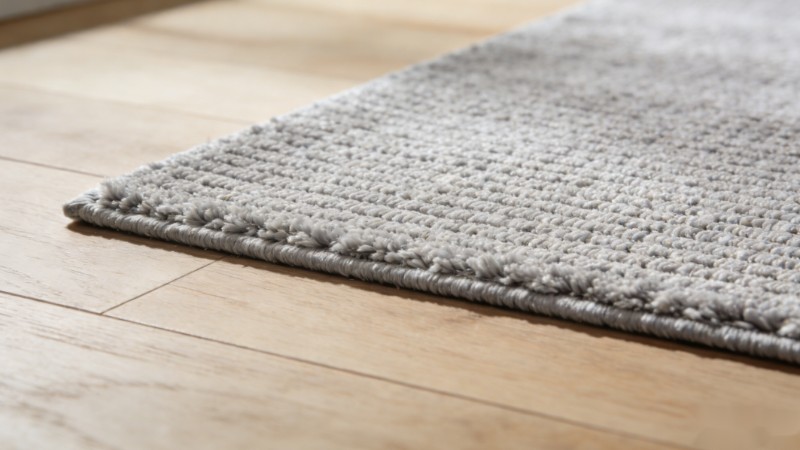
Olefin fabric is a top choice for outdoor and high-traffic indoor furniture due to its exceptional durability. Its synthetic composition provides inherent resistance to stains, moisture, and fading. However, to maximize its lifespan, proper cleaning and maintenance are essential. This guide provides a comprehensive, step-by-step methodology for how to clean olefin fabric effectively.
What is Olefin Fabric and Why is it So Durable?
Olefin, or polypropylene, is a synthetic fiber engineered for resilience. The material is solution-dyed, meaning color is added during the fiber production, not after. This process creates superior resistance to ultraviolet light and fading. Olefin fibers are also hydrophobic, meaning they repel water and dry quickly, and they are inherently resistant to stains, chemicals, and abrasion. These properties make cleaning needs unique; harsh chemicals or incorrect methods can damage the fabric's structure despite its toughness.
Essential Pre-Cleaning Steps and Daily Maintenance
Proactive care prevents the accumulation of dirt and simplifies deep cleaning sessions. Establishing a routine is the most effective strategy for preserving the fabric's appearance.
Regular Dusting and Vacuuming
Weekly removal of dry soil, pollen, and debris is critical. Use a soft brush attachment on your vacuum cleaner to gently lift particles from the weave. This prevents abrasive grit from being ground into the fibers during use, which can cause premature wear and dull the fabric's color.
The Blot-Don't-Rub Rule for Spills
Immediate action is required for liquid spills. Always use a clean, absorbent white cloth to blot the area, applying gentle pressure to lift the liquid. Rubbing or scrubbing will force the spill deeper into the fabric and can distort the fibers, making a stain more permanent and difficult to address later.
Step-by-Step Guide to Cleaning Olefin Fabric
Follow this systematic approach for both spot treatment and comprehensive cleaning. Adhering to these olefin fabric cleaning instructions ensures safety and efficacy.
Spot Cleaning: How to Remove Stains from Olefin Fabric
For most common stains (dirt, food, non-oily spills), a mild soap solution is sufficient. Mix a few drops of clear dish soap or a mild laundry detergent with a quart of lukewarm water. Dampen a clean cloth in the solution, wring it out thoroughly, and gently dab the stain. Rinse the area by dabbing with a cloth dampened with clean water. Always blot dry with a towel afterward.
Deep Cleaning Olefin Cushions and Furniture
For removable cushion covers, check the manufacturer's tag. Most olefin covers are machine washable. Use a gentle cycle with cold water and a mild detergent—this is often the best cleaner for olefin cushions. Avoid bleach and fabric softeners. For fixed furniture, use a soft-bristle brush and the same soapy water solution. Scrub gently in a circular motion, then rinse thoroughly with a damp cloth or a gentle hose spray.
Can You Pressure Wash Olefin Fabric?
Pressure washing is not recommended. The high-pressure stream can force water past the hydrophobic olefin fibers and into the cushion filling, leading to prolonged drying times and potential mildew. It can also damage the fabric's weave. A gentle spray from a garden hose on a low setting is a far safer alternative for rinsing non-removable items after hand cleaning.
Drying and Preventing Mildew on Olefin Fabric
Proper drying is as important as the cleaning process itself. Incomplete drying is the primary cause of issues in otherwise durable outdoor fabrics.
Proper Drying Techniques for Fast Moisture Wicking
After cleaning, use absorbent towels to blot away as much moisture as possible. Then, allow the furniture to air dry completely in a well-ventilated area, preferably in direct sunlight. The sun's heat accelerates drying and has a natural sanitizing effect. Ensure cushions are dry on all sides and within the crevices before use.
Does Olefin Fabric Mildew? How to Prevent It
Olefin fibers themselves are mildew-resistant because they do not absorb water. However, mildew can grow on dirt or organic matter trapped on the fabric's surface or, more critically, on the underlying cushion foam if it becomes wet and is not allowed to dry. Prevention is straightforward: clean spills promptly, ensure thorough drying after cleaning or rain, and store cushions in a dry place during extended wet periods.
Common Mistakes to Avoid When Cleaning Olefin
Several common errors can compromise olefin fabric. Avoid using bleach, strong solvents, or abrasive cleaners, as they can break down fibers and strip color. Do not use excessive heat from a dryer or iron, as polypropylene can melt or warp. Never let the fabric air dry slowly in a damp, enclosed space, as this invites mildew on underlying materials.
Keeping Your Olefin Furniture Looking Its Best
Maintaining olefin fabric is straightforward with a consistent approach. Regular dry maintenance, immediate blotting of spills, gentle cleaning with mild solutions, and, most importantly, complete drying will preserve the fabric's performance and appearance for years. By understanding how to clean olefin fabric correctly, you protect your investment and ensure your furniture remains a durable and attractive part of your living space.
FAQ: Your Olefin Fabric Cleaning Questions Answered
Can I use bleach on olefin fabric?
No. Bleach and other harsh chemicals can degrade the polypropylene fibers, causing them to become brittle and lose color integrity.
Is olefin fabric safe to put in the dryer?
It is not recommended. High heat can shrink or melt the fibers. Always air dry olefin fabric completely.
How often should I deep clean my olefin outdoor furniture?
A thorough cleaning at the beginning and end of the season is typically sufficient, with spot cleaning as needed. Frequency may increase in harsh climates.
What's the best way to clean oil-based stains from olefin?
For grease or oil, sprinkle baking soda or cornstarch to absorb the excess, then gently clean with a solution of dish soap and warm water, as dish soap is designed to cut through grease.