What Is Denim Made Of? A Guide to Its Core Materials
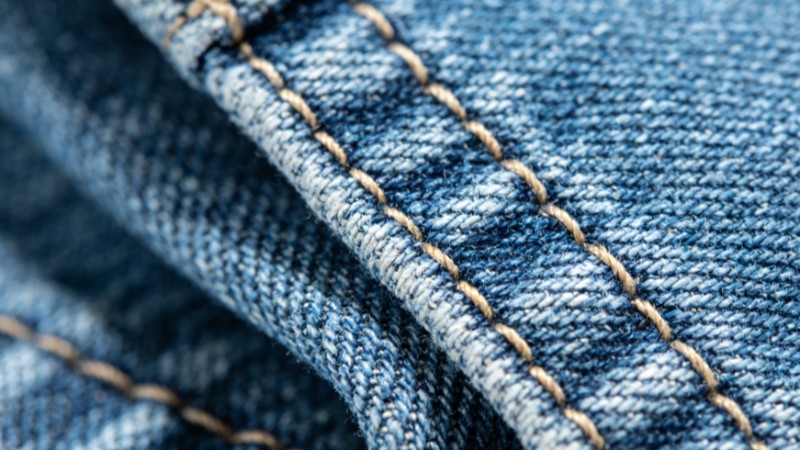
You probably own a pair of jeans, but have you ever stopped to think about what is denim fabric made of? That sturdy, comfortable material has a surprisingly specific recipe. Let's break down its composition and uncover why cotton has been the star ingredient for over a century.
The Core Definition: What Is Denim?
First, a quick distinction: "denim" refers to the fabric, while "jeans" are the garments made from it. Denim is defined by two key features: a durable twill weave and its classic indigo dye. This combination creates the fabric we instantly recognize.
The Signature Twill Weave Explained
Twill is a weaving pattern where the weft thread passes under two or more warp threads, creating a subtle diagonal rib. This structure is what gives denim its renowned strength and distinctive texture, making it more resistant to tearing than a plain weave.
The Role of Indigo Dye
Indigo dye is applied primarily to the vertical warp yarns, while the horizontal weft yarns are left white. Because indigo bonds to the surface of the cotton fiber rather than penetrating it, it wears away with use. This creates the beloved faded look and unique character of broken-in jeans.
The Primary Material: Breaking Down Denim Fabric Material
When you ask about denim fabric material, the traditional and most common answer is cotton. For generations, the story of denim has been a story of cotton, prized for its natural performance.
Why Cotton Reigns Supreme in Denim
Cotton's properties align perfectly with what we need from workwear-turned-everyday wear. It's incredibly durable, naturally breathable, and absorbs moisture. Most importantly, cotton takes indigo dye beautifully, allowing for deep, rich colors that fade in a specific, appealing way.
Understanding Denim Fiber Content Labels
Check the care tag on your jeans. You'll see the denim fiber content listed, like "98% Cotton, 2% Elastane." This tells you the exact blend. A 100% cotton tag means pure, traditional denim, while any percentage of another material indicates a blend for added function.
Is Denim Natural or Synthetic? Exploring Modern Blends
Traditional denim is a natural fabric, but modern denim often blends materials. This directly addresses the search query "is denim natural or synthetic?"—today, it can be either, or a mix of both.
Common Synthetic Additives: Elastane, Polyester, and Rayon
Brands add other fibers to change the denim's behavior. A small amount of elastane (or spandex) provides stretch for comfort and fit. Polyester might be blended in for added strength, wrinkle resistance, or to lower cost. Rayon or Tencel can be added for a softer, drape-ier hand feel.
Pros and Cons of Cotton vs. Blended Denim
100% Cotton Denim: Offers superior breathability, develops unique fades (patina), and is often more durable in the long run. It can feel stiff initially and may shrink.
Blended Denim (e.g., with Elastane): Provides immediate comfort and stretch, better retains its shape wash-to-wash, and is often more affordable. The stretch fibers can degrade over time, and it may not fade as characteristically.
The Denim Composition Explained: From Fiber to Fabric
Understanding what denim is made of isn't just about the raw materials; it's about the journey they take. Here’s how denim composition comes together from field to finish.
From Raw Cotton to Yarn: Spinning and Dyeing
The process starts with cotton bales being cleaned, carded, and spun into yarn. For most blue denim, the warp yarns are then dyed with indigo in multiple dips to build up color depth. The weft yarns typically remain untouched, which is why the inside of your jeans is lighter.
Weaving, Finishing, and Treatment
The dyed warp and white weft yarns are woven together on a loom using the twill technique. The resulting fabric, called "rigid" or "dry" denim, is then finished. This can include washing, sanding, or stone-washing to soften the hand, achieve a certain color, or create worn-in effects before it ever reaches you.
Why Understanding Denim Composition Matters
Knowing what your denim is made of isn't just trivia—it helps you make better buying decisions and care for your clothes properly. The materials dictate the experience.
Choosing the Right Denim for Durability and Comfort
If you value longevity and classic fading, seek out high-quality 100% cotton denim. If your priority is everyday comfort and a flexible fit, a cotton blend with 1-3% elastane is a practical choice. The denim fabric material directly shapes the garment's personality.
The Environmental and Care Implications
Material choice has an impact. Organic cotton denim reduces water and pesticide use. Synthetic blends, while functional, introduce microplastics and are less biodegradable. Your care routine also changes: pure cotton may require a cold soak to minimize shrinkage, while elastane blends often fare better with cooler, gentler drying to preserve the stretch.
So, the next time you shop for jeans, take a moment to check the tag. That simple act of understanding what is denim fabric made of empowers you to choose the pair that best fits your life, style, and values.
FAQs About Denim Fabric Composition
Is denim 100% cotton?
Traditional denim is 100% cotton, but many modern jeans include a small percentage of synthetic fibers like elastane for stretch. Always check the fabric content label to be sure.
What is the difference between denim and jeans?
Denim is the fabric itself, characterized by its twill weave and indigo dye. Jeans are the trousers or other garments (jackets, skirts) made from that fabric.
Why does denim fade, and what does it say about the material?
Denim fades because indigo dye sits on the surface of the cotton fiber and wears off with friction. Pronounced fading on high-quality cotton denim is a sign of its natural composition and wear history.
Is denim with stretch (elastane) less durable?
It can be. While elastane adds comfort, the synthetic fibers can break down over time with heat and repeated washing, potentially leading to bagging out or loss of shape faster than 100% cotton.
What does "selvedge denim" mean in terms of material and construction?
Selvedge refers to the self-finished edge of the fabric, woven on older, slower shuttle looms. It often indicates a higher attention to detail and premium, usually 100% cotton, material, but the term itself describes the edge, not the fiber content.