Denim Fabric Weight: A Guide to Oz and Performance
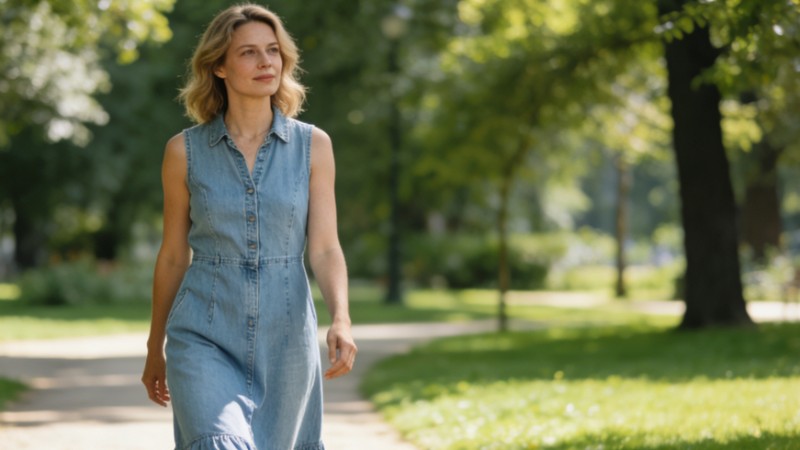
Denim fabric weight is the single most important specification for determining a garment's character and capability. Measured in ounces per square yard (oz/yd²), this metric dictates durability, comfort, drape, and seasonal suitability. Understanding weight is essential for selecting denim that aligns with both functional needs and personal preference.
This guide explains the denim oz meaning, compares categories from lightweight to heavyweight, and details how weight directly impacts performance and longevity.
What Does "Denim Oz" Mean?
The term "oz" in denim refers to ounces per square yard (oz/yd²). It is a measure of fabric density, not merely thickness. A higher ounce count indicates more yarn packed into each square yard, resulting in a denser, often heavier fabric. This measurement is the industry standard for classifying denim and predicting its behavior.
Fabric weight is determined during weaving. Heavier weights use thicker yarns and a tighter weave structure. This fundamental property influences every subsequent characteristic, from break-in time to abrasion resistance.
Denim Thickness Comparison: Weight Categories
Denim is broadly categorized by weight. This denim thickness comparison provides a framework for understanding typical applications.
Lightweight Denim (5-10 oz)
Denim in this range is pliable, soft from the start, and breathes well. It is common in summer chinos, lightweight jeans, and shirts. While comfortable, it offers less durability and structure than heavier weights and may show wear more quickly.
Typical Uses: Summer jeans, denim shirts, dresses, fashion-forward garments requiring drape.
Performance Notes: High comfort, good breathability, lower abrasion resistance.
Mid-Weight Denim (11-14 oz)
This is the standard weight for most everyday jeans. It balances durability, comfort, and versatility. Mid-weight denim provides enough structure to hold its shape and develop creases and fades over time, while remaining comfortable for daily wear across seasons.
Typical Uses: Everyday casual jeans, jackets, year-round wear.
Performance Notes: Optimal balance of durability and comfort, excellent for classic fades.
Heavyweight Denim Fabric (15 oz and above)
Heavyweight denim fabric, often starting at 15oz, is built for maximum durability and distinct fading potential. It feels stiff initially, requires a significant break-in period, and offers superior resistance to tearing and abrasion. Selvedge denim often falls into this category.
Typical Uses: Workwear, raw selvedge jeans, motorcycle gear, cold-weather apparel.
Performance Notes: Exceptional durability, slow break-in, pronounced fade contrast, less breathable.
Light Denim vs Heavy Denim: Performance Trade-Offs
The choice between light and heavy denim involves clear trade-offs. This light denim vs heavy denim analysis highlights key differentiators.
| Factor | Lightweight Denim (e.g., 8-10 oz) | Heavyweight Denim (e.g., 14-16 oz+) |
|---|---|---|
| Durability & Lifespan | Moderate. More prone to tearing under high stress. | High. Withstands physical work and abrasion exceptionally well. |
| Comfort & Break-in | Immediately comfortable, no break-in needed. | Stiff initially; requires weeks of wear to soften and mold to the body. |
| Breathability & Season | High. Suitable for warm weather and summer. | Low. Better for fall, winter, or cooler climates. |
| Fade Potential | Fades subtly and evenly over a long period. | Develops high-contrast, sharp fades (whiskers, honeycombs) more pronouncedly. |
| Drape and Silhouette | Soft, fluid drape; conforms loosely to the body. | Structured, rigid drape; holds its intended shape firmly. |
Selecting the Right Denim Fabric Weight
Your ideal weight depends on intended use and personal tolerance. For office or casual daily wear, 12-14 oz offers a perfect compromise. For dedicated raw denim enthusiasts seeking pronounced fades, 14-16 oz is the classic entry point. Consider heavyweight denim fabric (16oz+) for outdoor labor or as a durable winter option.
Always account for climate. Heavier weights can be impractical in sustained heat, while lightweight denim may not provide enough insulation in cold weather. The context of wear is as critical as aesthetic preference.
Final Considerations on Denim Weight
Mastering denim fabric weight transforms you from a passive consumer to an informed selector. It is the foundational metric that predicts how a garment will feel, perform, and age. Whether prioritizing the effortless comfort of light denim or the rugged, evolving character of heavyweight fabric, your choice directly dictates the long-term relationship with the garment. Let weight be your primary filter in the search for denim that truly fits your lifestyle.
FAQs About Denim Fabric Weight
What is the best denim weight for everyday jeans?
For most people, 12-14 oz denim is ideal. It provides a solid balance of durability, comfort, and versatility for daily wear across three seasons without a harsh break-in period.
Is heavyweight denim uncomfortable?
It can be initially stiff and restrictive. However, heavyweight denim fabric is designed to break in with wear, gradually softening and molding to your body for a custom fit that lighter denim cannot achieve.
How does weight affect denim shrinkage?
All unsanforized (shrink-to-fit) denim will shrink, but heavier weights may shrink slightly less in percentage terms due to denser construction. Always follow the manufacturer's wash guidelines for predictable results.
Can you wear heavyweight denim in summer?
It is possible but often impractical in hot, humid climates. The lack of breathability can lead to discomfort. Mid-weight or lightweight denim is generally recommended for summer months.
Does heavier denim always mean better quality?
Not necessarily. Quality depends on yarn grade, weave integrity, and construction. A well-made 12 oz denim can be higher quality than a poorly made 16 oz fabric. Weight indicates characteristics, not automatically quality.