What Is Corduroy Made Of? A Guide to Materials and Performance
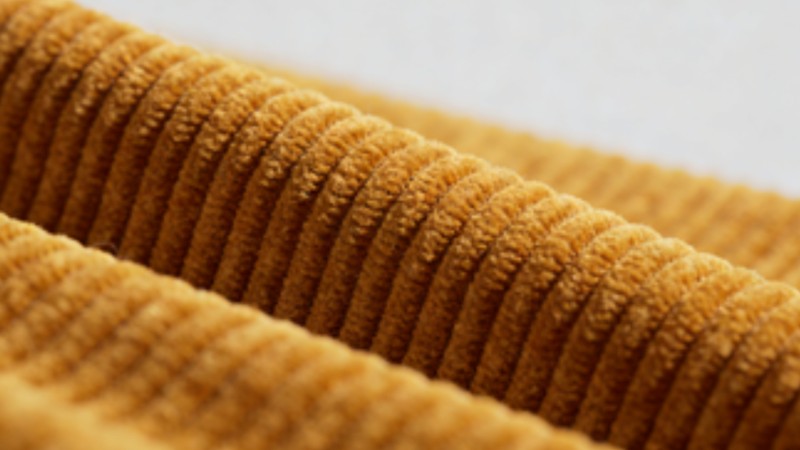
When you think of corduroy, you likely picture its distinctive, soft-ribbed texture. But what is corduroy fabric made of that gives it this unique feel? The answer is more complex than you might think. While the iconic wale structure defines its look, the fiber content—whether cotton, polyester, or a blend—is the secret ingredient that determines its comfort, durability, and how you should care for it.
The Anatomy of Corduroy: More Than Just Ribs
Before diving into materials, it helps to understand how corduroy is constructed. It's not just a flat-woven textile; it's a textured fabric built on a foundation of cut pile.
Understanding the Wale: The Signature Ribbed Texture
The term "wale" refers to the number of vertical ribs per inch. A higher wale count means finer, more closely-set ribs (pinwale), while a lower count means wider, more pronounced ribs (wide-wale). This characteristic is separate from fiber content and primarily influences the fabric's visual weight and drape.
How the Pile is Formed: The Twill Weave Foundation
Corduroy starts with a sturdy twill or plain weave base. Extra sets of yarn, called pile yarns, are woven into this base in raised rows. These rows are then cut, creating the soft, plush surface that runs in those characteristic cords. The density and length of this pile contribute significantly to the fabric's warmth and texture.
Corduroy Fabric Material Breakdown: From Natural to Synthetic
So, what is corduroy fabric made of at its core? The pile and base yarns can be spun from various fibers, each imparting distinct properties. Your choice of corduroy fabric material is the most critical decision affecting performance.
Traditional Champion: 100% Cotton Corduroy Fabric
Classic cotton corduroy fabric is beloved for its natural qualities. It's highly breathable, soft to the touch, and becomes even more comfortable with age. It dyes beautifully, offering rich, deep colors. However, pure cotton is prone to wrinkling and can shrink if not pre-washed or cared for properly. It's the go-to for a soft, lived-in feel in jackets, pants, and shirts.
Modern Alternative: Polyester Corduroy Fabric
Polyester corduroy fabric offers a performance-oriented profile. It's exceptionally wrinkle-resistant, retains its color vibrancy through many washes, and boasts high strength and abrasion resistance. The downside? It can be less breathable than cotton, sometimes feeling clammy, and may have a slightly slicker or less natural hand-feel. It's ideal for structured garments or items requiring frequent, easy washing.
The Best of Both Worlds: Corduroy Blend Fabric
This is where practicality shines. A common corduroy blend fabric like 60% cotton/40% polyester aims to balance the best attributes of both fibers. You get the softness and breathability of cotton with the added durability, shrink resistance, and easy-care benefits of polyester. Blends are a popular choice for everyday wear, children's clothing, and home decor projects where a balance of comfort and resilience is key.
How Corduroy Fiber Content Dictates Performance & Feel
Understanding corduroy fiber content isn't just academic; it directly predicts how the fabric will behave. Here’s a breakdown of the key performance differences.
Durability and Wear Resistance
Polyester leads in pure abrasion resistance and is less likely to pill. Cotton, while durable, softens with wear and may develop a patina over time. Blends offer a middle ground, resisting pilling better than pure cotton while maintaining a more natural texture than pure polyester.
Comfort, Breathability, and Seasonality
This is cotton's strong suit. Its natural breathability makes it comfortable for fall and early spring wear. Polyester, being synthetic, traps more heat and moisture, which can be a drawback for active use. Blends moderate this, offering improved breathability over pure polyester while often being lighter-weight than heavy cotton corduroys.
Care and Maintenance: Wrinkles, Shrinkage, and Washing
Care instructions hinge on material. Cotton often requires gentle washing, tumble drying on low, and may need ironing. Polyester is machine-washable, quick-drying, and rarely needs ironing. Blends simplify care significantly, often allowing for machine washing and drying with minimal shrinkage or wrinkling, making them a low-maintenance favorite.
Choosing the Right Corduroy for Your Project
Armed with knowledge of what corduroy is made of, you can select the perfect type for any application.
For Clothing: Jackets, Pants, and Shirts
Soft, Classic Pants/Shirts: Opt for 100% cotton or a cotton-rich blend for breathability and comfort.
Durable Kids' Wear or Workwear: A polyester-cotton blend provides easy care and extra durability.
Structured Jackets or Uniforms: Polyester or heavy blends help the garment hold its shape and resist stains.
For Home Decor and Upholstery
Heavy-Use Furniture (sofas, chairs): Choose a fabric with a high polyester content or a robust blend for maximum abrasion resistance.
Decorative Pillows or Drapery: You can prioritize aesthetics with a beautiful cotton corduroy, as these items endure less friction.
Final Weave: Matching Corduroy Material to Need
The question "what is corduroy fabric made of" is the key to unlocking its potential. There's no single best answer—only the best material for your specific need. Prioritize natural cotton for breathability and classic comfort, lean on polyester for easy-care durability, or choose a smart blend for a practical balance. By understanding corduroy fiber content, you move beyond the texture and select a fabric that will perform beautifully for years.
FAQ: What Is Corduroy Fabric Made Of?
Is corduroy always made of cotton?
No. While traditionally cotton, modern corduroy is also made from polyester, rayon, wool, or, most commonly, blends of these fibers to achieve different performance characteristics.
What is the difference between cotton corduroy and polyester corduroy?
Cotton corduroy is breathable, soft, and natural but wrinkles and may shrink. Polyester corduroy is wrinkle-resistant, durable, and easy-care but can be less breathable and have a synthetic feel.
Is corduroy blend fabric better than 100% cotton?
"Better" depends on your needs. Blends are often more practical, offering easier care, less shrinkage, and increased durability, while 100% cotton offers superior natural softness and breathability.
How does the fiber content affect how I should wash corduroy?
Always check the label. Generally, cotton may require cooler water and gentle cycles, polyester is machine-wash friendly, and blends typically allow for easy machine washing and drying.
What type of corduroy is most durable for furniture?
For high-traffic upholstery, look for corduroy with a high synthetic fiber content (like polyester) or a tight, dense weave blend. These resist pilling and abrasion better than loose-weave 100% cotton.