Wide Wale vs Fine Wale Corduroy Fabric: How to Choose
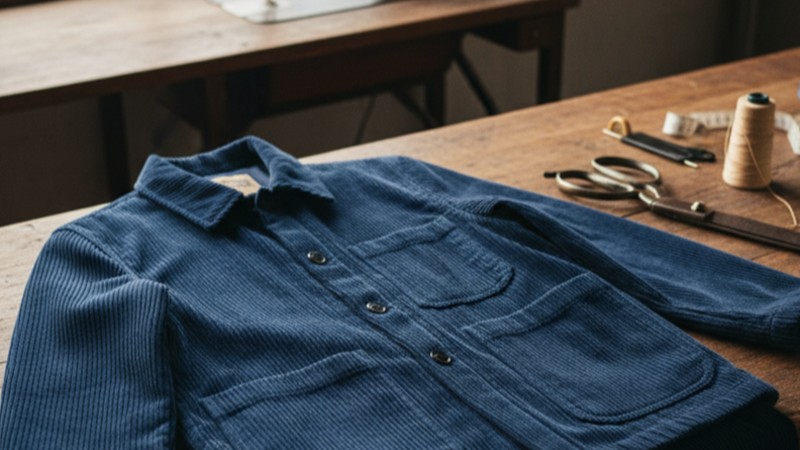
Choosing the right corduroy fabric hinges on one key characteristic: the wale. The difference between wide wale corduroy fabric and its fine wale counterpart is more than aesthetic; it dictates the garment's structure, feel, and application. This guide explains the technical distinctions and provides a framework for selecting the ideal type for your needs.
What is Corduroy Wale? Understanding the Ribbed Texture
In textile terminology, the "wale" refers to the distinct, parallel ridges that define corduroy's signature texture. This structural element is the primary variable that differentiates corduroy types, directly influencing its visual and tactile properties.
Corduroy Wale Meaning: More Than Just Ribs
The wale is the raised cord or rib formed by cut-pile yarns that are woven into the fabric base. These yarns are sheared after weaving, creating the soft, plush channels that run the fabric's length. The prominence and spacing of these cords are what we describe as the wale size.
How Corduroy Rib Size is Measured (Wales Per Inch)
Corduroy rib size is quantified by counting the number of wales per inch (WPI). This measurement provides an objective standard for classification. A higher WPI indicates a finer, more densely ribbed texture, while a lower WPI signifies a bolder, wider rib.
Fine Wale: Typically 11 or more wales per inch. The ribs are narrow and closely spaced.
Mid/Standard Wale: Generally ranges from 8 to 10 wales per inch, offering a balanced texture.
Wide Wale: Usually features 3 to 6 wales per inch. The ribs are broad and distinctly separated.
The Complete Comparison: Wide Wale vs. Fine Wale Corduroy
The choice between wide and fine wale corduroy fabric involves a clear trade-off in texture, weight, and drape. This side-by-side analysis outlines the fundamental differences.
Texture and Visual Impact: From Subtle to Statement
The corduroy texture difference is immediately apparent. Fine wale presents a smooth, almost velvety surface with a subtle sheen, reading as a refined, solid color from a distance. Wide wale, in contrast, has deep, pronounced grooves that create strong shadow lines and a highly tactile, rugged appearance. It makes a definitive visual statement.
Drape, Weight, and Feel: How Thick vs. Thin Corduroy Behaves
The wale size directly correlates with the fabric's physical properties. Wide wale corduroy uses more pile yarn to form each prominent cord, resulting in a heavier, stiffer, and more structured hand. It holds its shape rigidly. Fine wale, with its dense, small ribs, is notably lighter, softer, and more pliable. It drapes fluidly and conforms to the body with ease, offering greater comfort for movement.
How to Choose the Right Corduroy Wale for Your Project
Selecting the appropriate wale is an exercise in matching fabric characteristics to functional and aesthetic requirements. Consider the end use first.
Best Uses for Wide Wale Corduroy Fabric
Leverage the durability and bold texture of wide wale for structured applications where presence and longevity are key. Its heft makes it ideal for upholstery, bags, and heavyweight garments like workwear jackets, structured blazers, and fall/winter trousers designed to hold a crisp silhouette.
Ideal Applications for Fine Wale Corduroy Fabric
Opt for fine wale when the priority is comfort, drape, and a more understated elegance. It is excellent for shirts, softer dresses, lightweight pants, children's clothing, and accessories where a fluid, comfortable fit is essential. Its refined texture works well in garments meant for extended wear.
Key Factors in Your Decision: Style, Season, and Sewing
Style: Wide wale conveys a rustic, assertive aesthetic; fine wale suggests a classic, polished look.
Season: The heavier weight of wide wale suits cooler weather, while fine wale's versatility spans three seasons.
Sewing: Wide wale requires careful pattern matching at seams due to its prominent ribs and can be bulkier to sew. Fine wale is more forgiving for general garment construction.
Caring for Your Corduroy to Maintain its Texture
Proper care preserves the distinct texture of both wide and fine wale corduroy fabric. The primary goal is to protect the raised pile from crushing and abrasion.
Washing, Drying, and Ironing Tips by Wale Type
Always turn garments inside out before washing. Use a gentle cycle with cold water and mild detergent. Tumble dry on low heat or air dry to prevent shrinkage and pile damage. To remove wrinkles, iron on the reverse side (wrong side) using a press cloth. For wide wale, take care to iron between the ribs to avoid flattening them. Fine wale, while more resilient to seam bulk, can be more susceptible to shine if ironed with too much direct heat on the right side.
Selecting Your Perfect Corduroy
The decision between wide wale and fine wale corduroy fabric is not about superiority, but suitability. For bold structure and durability, choose wide wale. For soft drape and refined versatility, fine wale is the optimal selection. By understanding the corduroy wale meaning and its implications for weight, texture, and performance, you can confidently select the fabric that aligns with your project's technical and aesthetic specifications.
FAQs About Corduroy Wale Types
What is the most durable type of corduroy?
Wide wale corduroy is generally the most durable due to its heavier weight and thicker pile yarns, making it resistant to abrasion and wear, ideal for upholstery and workwear.
Is fine wale corduroy suitable for winter clothing?
While lighter than wide wale, fine wale corduroy provides good insulation. It is suitable for winter shirts, dresses, or layered under heavier coats, though it is less wind-resistant than its wide wale counterpart.
Does wide wale corduroy make you look bigger?
The bold, horizontal lines of wide wale can add visual volume. For a more streamlined silhouette, fine wale's subtle vertical texture is generally more flattering as it creates a smoother line.
Can you mix wide wale and fine wale corduroy in one outfit?
Yes, but it requires careful balancing. Pair a structured wide wale jacket with fine wale trousers, ensuring a clear contrast in color or garment type to avoid a mismatched texture clash.