A Guide to Different Types of Fleece Fabric
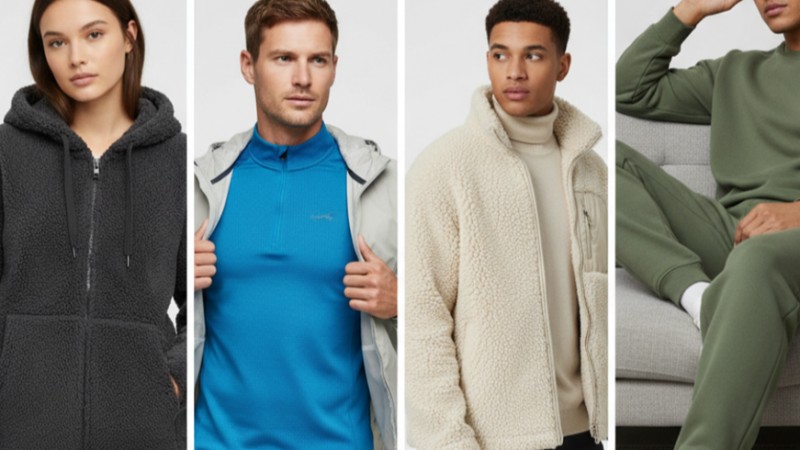
Fleece is a cornerstone of modern textiles, prized for its warmth, versatility, and synthetic efficiency. Understanding the distinct types of fleece fabric is essential for selecting the right material for apparel, outdoor gear, or home projects. This guide details the primary categories, their technical properties, and optimal applications.
What Is Fleece Fabric? A Technical Primer
Fleece is a synthetic fabric, typically made from polyester. The fibers are brushed to create a napped, insulating pile that traps warm air. Key characteristics include high warmth-to-weight ratio, moisture-wicking capability, and breathability. Its synthetic origin provides durability and consistent performance, though construction variations yield different weights, textures, and functional features.
The 6 Main Types of Fleece Fabric Explained
Fleece is engineered into several distinct forms, each with defined parameters for weight, pile structure, and end-use.
Polar Fleece: The All-Rounder Classic
Standard polar fleece is a medium-weight, double-faced fabric with a uniform pile on both sides. It offers a balance of warmth, flexibility, and ease of care, making it a default choice for jackets, hats, and blankets. Its construction provides good insulation without excessive bulk.
Microfleece: The Lightweight and Soft Layer
Microfleece is a thinner, denser variant with a shorter pile height. It delivers exceptional softness and flexibility with minimal weight, making it ideal for base layers, linings, pajamas, and lightweight throws. Its structure allows for effective layering in technical apparel systems.
Sherpa Fleece: The Plush, Faux-Sherpa Look
Sherpa fleece fabric mimics the texture of sheepskin wool. It features a distinctive, longer curly or shaggy pile on one side, usually bonded to a smooth knit back. This construction provides extreme loft and a plush aesthetic, used for accent linings, cozy jackets, and home decor items like throws.
Heavyweight Fleece: Maximum Warmth and Structure
Heavyweight fleece addresses the need for maximum insulation. It uses a high-density, thick pile construction, often with a higher grams per square meter (GSM) rating. This type is engineered for extreme cold-weather outer layers, durable workwear, and applications where structure and wind resistance are prioritized over packability.
Anti-Pill Fleece: For Long-Lasting Smoothness
The anti-pill fleece meaning refers to a treatment or tighter fiber construction that resists the formation of small fiber balls (pilling) on the fabric surface. This is achieved through higher twist yarns or chemical processes that strengthen the fibers, maintaining a smoother appearance and tactile quality through repeated wear and washing.
Coral Fleece & Minky: Ultra-Soft Specialty Fabrics
Coral fleece has a distinct, slightly nubby texture resembling coral, offering deep softness and excellent drape. Minky is a plush fabric often made from polyester, characterized by a dense, velvety pile. While both are ultra-soft, minky is frequently used for baby items and luxury blankets, whereas coral fleece is common in robes and loungewear.
Fleece Face-Off: Key Comparisons for Your Projects
Direct comparison clarifies the selection process between similar materials.
Polar Fleece vs. Microfleece: Weight, Warmth, and Best Uses
The core distinction lies in density and application. Polar fleece provides greater standalone warmth and is suited for mid-layer or outer-layer garments. Microfleece offers less insulation but superior wicking and next-to-skin comfort, functioning best as a base layer or lining.
| Parameter | Polar Fleece | Microfleece |
|---|---|---|
| Weight (GSM) | 200 - 300+ | 100 - 200 |
| Primary Use | Mid-layer jackets, blankets, hats | Base layers, linings, lightweight apparel |
| Warmth | High | Light to Medium |
Choosing Between Sherpa, Heavyweight, and Anti-Pill Fleece
Selection among these types depends on project requirements. Choose sherpa fleece for aesthetic plushness and loft. Opt for heavyweight fleece for maximum thermal insulation in harsh conditions. Specify anti-pill fleece for garments subject to frequent friction, where maintaining a neat appearance is critical.
How to Choose the Right Fleece: A Practical Checklist
Apply a systematic evaluation based on project specifications and fabric properties.
Consider the Project: Apparel, Home Decor, or Accessories?
Technical Apparel: Prioritize weight (microfleece for base, polar for mid, heavyweight for outer) and features like wicking or anti-pill treatment.
Home Decor: Consider drape and texture. Coral fleece works for robes; sherpa or minky is ideal for plush blankets.
Accessories: Balance warmth, flexibility, and durability. Polar or anti-pill fleece is often suitable for hats and gloves.
Evaluating Weight, Pile, and Technical Features
Assess fabric using objective metrics. Weight is measured in GSM. Pile length and density affect warmth and hand feel. Technical features may include wind-resistant membranes, moisture-wicking finishes, or brushed interior surfaces. Match these parameters to the environmental and functional demands of the end use.
Caring for Your Fleece to Ensure It Lasts
Proper maintenance preserves the technical and aesthetic properties of fleece fabrics.
Washing, Drying, and Avoiding Common Mistakes
Wash in cold water with a mild detergent. Avoid fabric softeners and bleach, as they can coat fibers and degrade moisture-wicking and anti-pill treatments. Tumble dry on low heat or air dry. High heat can damage synthetic fibers and cause premature pilling or shrinkage.
Special Care for Sherpa and Delicate Piles
For sherpa fleece fabric and other high-pile variants, wash inside out on a gentle cycle. After washing, shake the item vigorously and use a fabric brush to restore the loft of the pile and prevent matting. Air drying is typically recommended to maintain texture.
Final Thoughts: Specifying the Correct Fleece Fabric
The utility of fleece stems from its engineered variations. Selecting the correct type of fleece fabric—whether for its weight, pile structure, or specialized treatment—directly impacts the performance and longevity of the final product. By applying a technical understanding of these categories, professionals and makers can make informed, specification-driven decisions for any application.
FAQ: Common Questions on Types of Fleece Fabric
Is polar fleece the same as regular fleece?
"Polar fleece" often refers to the standard, medium-weight double-faced fabric, which is the most common "regular" fleece. The terms are frequently used interchangeably.
What type of fleece is warmest for a winter coat?
Heavyweight fleece provides the highest insulation. For extreme cold, a shelled jacket using heavyweight fleece as an insulating layer is most effective.
Can you sew fleece with a regular sewing machine?
Yes. Use a ballpoint or stretch needle, a slightly longer stitch length, and reduce presser foot pressure to prevent stretching. A walking foot is helpful for thicker piles.
Is fleece fabric environmentally friendly?
As a polyester-based fabric, its production is resource-intensive and it sheds microplastics when washed. Recycled polyester fleece is a more sustainable option.
What's the best fleece for no-pill, everyday wear?
Anti-pill fleece is specifically engineered for this purpose, maintaining a smooth surface despite frequent use and washing.