Fleece Blanket Fabric: How to Choose the Right Type
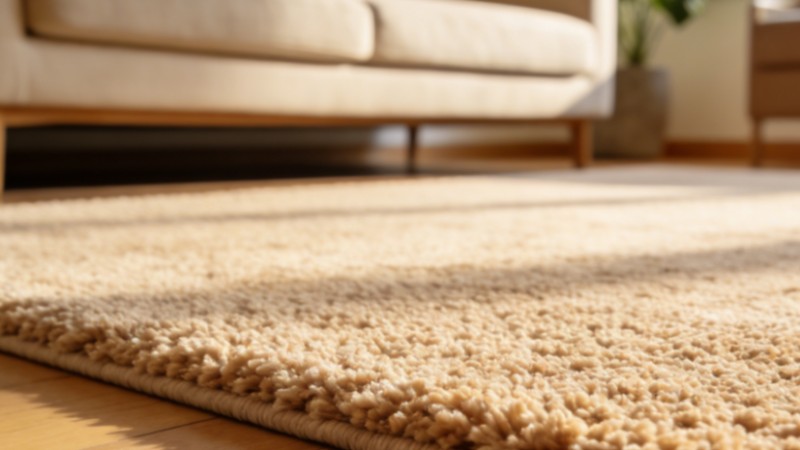
Choosing the perfect fleece blanket fabric is about more than just picking a pretty pattern. The right type determines warmth, texture, durability, and how well your project turns out. This guide breaks down everything you need to know to make an informed choice.
What is Fleece Fabric? Understanding the Basics
Fleece is a synthetic fabric, typically made from polyester, known for its exceptional softness and insulating properties. Unlike natural wool, it's lightweight, hypoallergenic, and retains heat even when damp, making it a superstar material for cozy blankets.
How Fleece is Made: From Plastic Bottles to Plush Fabric
The process often starts with polyester pellets or recycled plastic. The fibers are spun into yarn, woven into cloth, and then brushed. This brushing raises the fibers, creating the soft, fuzzy nap that gives fleece its signature feel and trapped-air warmth.
Key Properties of Fleece for Blankets
Why is fleece such a popular blanket fleece material? Its benefits are clear:
Lightweight Warmth: Traps body heat efficiently without heavy weight.
Moisture-Wicking: Pulls dampness away from the skin, keeping you dry.
Durability & Easy Care: Generally machine washable, colorfast, and quick-drying.
Breathability: More breathable than vinyl or plastic-based fabrics.
Types of Fleece Fabric for Blankets: A Detailed Comparison
Not all fleece is created equal. Understanding the different types is key to finding the best fleece for blankets for your specific need.
Polar Fleece: The Classic Standard
This is the ubiquitous polar fleece for blankets. It's a medium-weight, all-purpose option with a consistent texture on both sides. It's widely available, affordable, and a great starting point for most blanket projects.
Microfleece: Ultra-Soft and Lightweight
Made with finer fibers, microfleece has a denser, silkier feel. It's thinner and lighter than polar fleece, offering gentle warmth without bulk. It's an excellent choice for lightweight throws, baby blankets, or linings.
Sherpa or Minky Fleece: Plush and Textured
These are the luxury options. Sherpa fleece mimics shearling with a fluffy, curly pile on one side. Minky has a velvety, dense nap that's incredibly soft. Both offer supreme comfort but may be warmer and require more careful washing.
Anti-Pill and Blizzard Fleece: For Durability and Heavy Warmth
Anti-pill fleece is treated to resist forming little fuzz balls, maintaining a neat appearance wash after wash. Blizzard or heavyweight fleece is denser and thicker, designed for maximum insulation in cold climates.
How to Choose the Best Fleece for Your Blanket Project
With the types in mind, use this decision framework to select your ideal fleece fabric for blankets.
Consider the Blanket's Purpose: Everyday Use, Gift, or Special Project?
Is it for daily couch snuggling? A durable polar or anti-pill fleece works. A baby gift? Opt for hypoallergenic microfleece. For outdoor use, heavyweight or Blizzard fleece is best. Match the fabric to the job.
Evaluating Weight, Density, and Warmth Level
Weight is often measured in GSM (grams per square meter). Lightweight (100-200 GSM) is for spring/fall, medium (200-300 GSM) is standard, and heavyweight (300+ GSM) is for winter. If specs aren't listed, feel the fabric—denser, heavier fleece will be warmer.
Texture and Feel: Prioritizing Softness and Comfort
Always feel the fabric if possible. For sensitive skin, microfleece or high-quality anti-pill is gentle. For a luxurious, "huggable" feel, sherpa or minky can't be beat. The right texture makes the blanket a joy to use.
Durability and Care: Will It Stand the Test of Time (and Washing)?
For a blanket that will see heavy use and frequent washing, anti-pill fleece is a smart investment. Check care labels: most fleece is machine wash cool and tumble dry low. Pre-wash your fabric before sewing to account for any shrinkage.
Special Considerations for Tie Blankets and No-Sew Projects
If you're making a no-sew tie blanket, your fabric choice is crucial for success. This directly targets the need for the right fleece fabric for tie blankets.
The Ideal Fleece for Tie Blankets: Weight and Stability
Mid-weight polar or anti-pill fleece is the gold standard. It's thick enough to tie secure, sturdy knots that won't come undone, but still flexible enough to work with easily. Avoid very lightweight or overly stiff, heavy fleeces.
Pattern Matching and Fabric Width Tips
Fleece typically comes 58-60 inches wide. For a standard throw (approx. 50"x60"), you'll need about 1.7 yards of two coordinating prints. For larger patterns, buy extra to center the design. Always cut strips precisely for a neat finish.
Common Mistakes to Avoid When Buying Fleece for Blankets
Avoid these pitfalls to ensure you get a blanket you'll love for years.
Choosing Style Over Substance: When Prints Hide Poor Quality
A vibrant print can mask thin, poorly napped fabric. Always check the unprinted side and feel the density. A good fleece should have a substantial, uniform nap on both sides, regardless of the pattern on the front.
Misjudging Shrinkage and Care Requirements
Assuming all fleece is pre-shrunk is a common error. For a homemade blanket, always pre-wash and dry your fabric as you plan to launder the finished item. This prevents uneven shrinkage and puckering after it's made.
Final Thoughts: Wrapping Yourself in the Perfect Choice
The ideal blanket starts with the right material. By considering purpose, weight, texture, and care, you can navigate the world of fleece blanket fabric with confidence. Whether you're buying off the shelf or crafting your own, the perfect blend of warmth and comfort is within reach.
FAQ: Your Fleece Blanket Fabric Questions Answered
What is the warmest type of fleece for a blanket?
Blizzard or heavyweight polar fleece offers the most insulation. For extreme warmth, look for high-density, 300+ GSM fabrics often labeled as "extreme" or "thermal" fleece.
Is polar fleece or microfleece better for a baby blanket?
Microfleece is often preferred. It's lighter, softer, less bulky, and provides gentle warmth without overheating, making it safer and more comfortable for delicate skin.
How much fleece fabric do I need to make a throw blanket?
For a standard no-sew tie throw (approx. 50"x60"), you'll need 1.7 yards of two different 58-60" wide fleeces. For a sewn blanket with a backing, 1.7 yards of each fabric is also sufficient.
Does fleece fabric pill, and how can I prevent it?
Lower-quality fleece can pill. To prevent it, choose anti-pill fleece, wash inside out on a gentle cycle, and avoid washing with rough fabrics like denim. Tumble dry on low heat.
Can you use the same fleece for clothing and blankets?
Yes, but consider weight. Fleece for activewear is often lighter. For blankets, mid to heavyweight fabrics (200+ GSM) are typically used for better drape and warmth.