Fleece Fabric 101: What It Is, How It's Made, and Its Uses
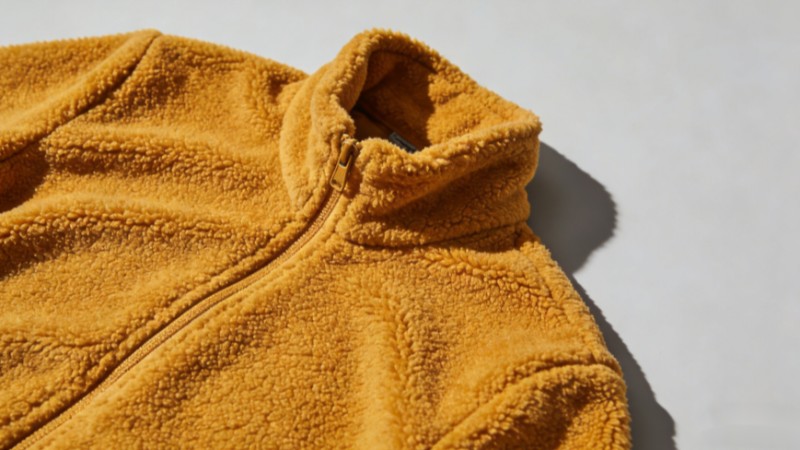
Soft, cozy warmth wraps around you from a beloved jacket or a snuggly blanket—chances are, that comfort comes from fleece fabric. But what exactly is this material, and why has it become a staple in wardrobes and homes worldwide? Prized for its unbeatable comfort and practical functionality, fleece is far more than just a fuzzy textile. Let's unravel what makes it tick, from its synthetic origins to its everyday applications.
What Is Fleece Fabric? A Clear Definition
At its core, fleece is a soft, napped insulating synthetic fabric. Most people recognize it by its fuzzy texture and exceptional warmth. Understanding the fleece material definition helps clarify why it behaves the way it does.
The Fleece Material Definition: More Than Just a Feeling
Technically, fleece is a knitted fabric made primarily from polyester. The magic happens after knitting, when the fabric is brushed to raise fine fibers, creating that characteristic soft, fuzzy pile. This pile traps air, providing insulation without the weight of natural fibers like wool.
Is Fleece a Natural Fabric?
This is a key point of confusion. Fleece is not a natural fabric. It is entirely man-made, typically from polyester (PET). Interestingly, much of today's fleece is produced from recycled plastic bottles, giving an eco-friendly twist to a synthetic material. So, while it mimics the warmth of wool, its origins are firmly in the world of polymers.
How Fleece Fabric Is Made: The Manufacturing Process
The journey of how fleece fabric is made is a fascinating blend of chemistry and textile engineering. It transforms raw materials into the cozy fabric we know through a specific fleece fabric construction process.
From Polymer to Pellet: The Starting Materials
It all begins with polyester, either virgin or recycled. Plastic pellets or flakes are melted and extruded to form long, continuous filaments. These filaments are the building blocks for the yarn.
Spinning, Knitting, and Brushing: Fleece Fabric Construction
First, the polyester filaments are spun into yarn. This yarn is then knitted into a stable, stretchy base fabric on large circular machines. The most critical step is brushing, where rotating brushes gently tease the surface fibers, breaking them to create a uniform, insulating pile. Sometimes the fabric is sheared to control the pile height for a consistent finish.
Finishing Touches: Anti-Pilling, Water Resistance, and More
Finally, the fabric undergoes treatments to enhance performance. These can include anti-pilling finishes to maintain its look, moisture-wicking applications for athletic wear, or brushing on both sides to create a plush, double-sided fleece. A water-repellent finish is also common for outdoor gear.
Key Properties and Characteristics of Fleece
The unique manufacturing process gives fleece a set of properties that explain its popularity across so many different products.
Lightweight Warmth and Insulation
The brushed pile creates millions of tiny air pockets. Since air is a poor conductor of heat, this layer provides excellent insulation, making fleece remarkably warm for its light weight.
Moisture Wicking and Quick Drying
Unlike cotton, which absorbs moisture, polyester fibers wick sweat away from the skin to the fabric's surface where it can evaporate. Combined with its quick-drying nature, this helps keep you dry and comfortable during activity.
Breathability, Stretch, and Durability
The knit structure allows for decent breathability and inherent stretch, ensuring freedom of movement. Polyester is also naturally resistant to shrinking, mildew, and most chemicals, making fleece a durable choice for long-term use.
The Pros and Cons of Fleece Fabric
Like any material, fleece has its strengths and weaknesses. A balanced look at the pros and cons of fleece helps you decide when it's the right choice.
Advantages: Why Fleece is So Popular
Affordable: It's generally less expensive than natural insulators like wool.
Lightweight & Warm: Offers an excellent warmth-to-weight ratio.
Easy Care: Machine washable, quick-drying, and resistant to wrinkles.
Versatile: Used in everything from pajamas to high-end outdoor gear.
Eco-Potential: When made from recycled PET, it gives plastic waste a new life.
Disadvantages and Considerations
Environmental Impact: It sheds microplastics in wash and is not biodegradable.
Flammability: Polyester can melt and burn more readily than natural fibers.
Pilling: Over time, friction can cause small balls of fiber (pills) on the surface.
Static Cling: It can generate static electricity, especially in dry conditions.
Common Uses and Applications of Fleece Material
The blend of comfort, function, and value has cemented fleece's role in several key areas.
Apparel: From Casual Wear to High-Performance Gear
This is its most visible use. You'll find fleece in everyday hoodies, jackets, vests, and sweatpants. Its technical properties also make it ideal as a mid-layer for hiking, skiing, and other outdoor activities, where moisture management and lightweight warmth are crucial.
Home and Lifestyle: Blankets, Accessories, and More
Beyond clothing, fleece's softness makes it perfect for blankets, throws, and plush toys. It's also used as a lining material in boots, gloves, and pet beds, adding comfort and insulation.
Caring for Your Fleece Garments
Proper care extends the life of your fleece and maintains its performance.
Washing and Drying Best Practices
Wash inside-out in cold water on a gentle cycle. Avoid fabric softener, as it can coat fibers and reduce moisture-wicking ability. Tumble dry on low heat, and remove promptly to minimize wrinkles and static.
How to Manage Pilling and Maintain Softness
To remove pills, use a fabric shaver or a fine-tooth comb. Avoid high-heat drying and ironing, as extreme heat can damage the polyester fibers and melt the pile.
Final Thoughts: The Enduring Role of Fleece
Fleece fabric has earned its place by solving a simple need: providing affordable, easy-care warmth. While its synthetic nature comes with environmental considerations, especially regarding microplastics, its functionality is undeniable. Whether you're choosing a cozy loungewear piece or a technical outdoor layer, understanding what fleece fabric is and how it's made allows you to use it wisely and appreciate its unique role in our textile world.
FAQ: Common Questions About Fleece Fabric
Is fleece fabric warm?
Yes, exceptionally so for its weight. The brushed pile traps air, creating an insulating layer that retains body heat effectively.
Can fleece be recycled?
The fabric itself is challenging to recycle through curbside programs, but many brands use recycled polyester (rPET) from bottles to make new fleece, closing the loop.
What's the difference between polar fleece and regular fleece?
"Polar fleece" is often a heavier, denser, and warmer grade of fleece. All polar fleece is fleece, but not all fleece is the thick, plush variety called polar fleece.
How does fleece compare to wool in terms of warmth and moisture?
Fleece matches or exceeds wool's warmth when dry and wicks moisture better. However, wool retains more insulating ability when wet and is naturally odor-resistant.
Why does fleece sometimes generate static electricity?
As a synthetic, polyester doesn't conduct electricity well. Friction (like taking off a jacket) can cause electrons to build up, resulting in static cling and small shocks.