Olefin vs Sunbrella: Which Outdoor Fabric is Right for You?
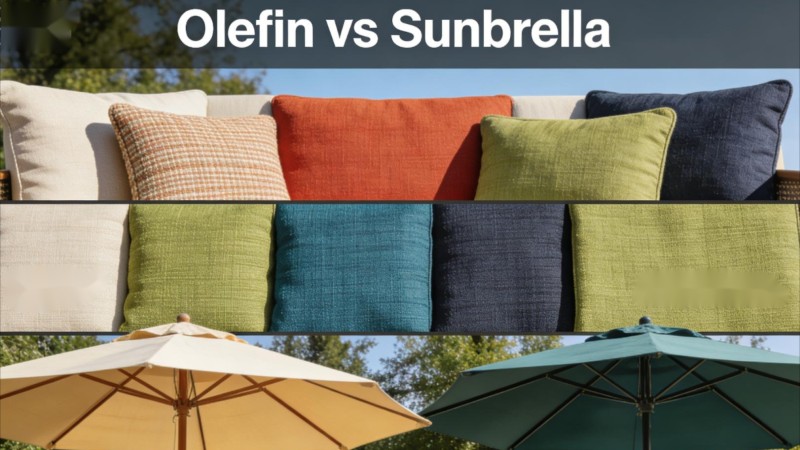
Choosing the right fabric for your outdoor furniture is a critical decision. It impacts not just aesthetics but also long-term comfort and cost. Two of the most prominent names you’ll encounter are olefin and Sunbrella. While both are celebrated for outdoor use, they are fundamentally different materials with distinct strengths.
This guide breaks down the key differences in performance, care, and value. We’ll help you navigate the choice between these popular fabrics for your cushions, umbrellas, and other outdoor applications.
Understanding the Core Materials
First, it’s essential to know that Sunbrella is a brand name for a solution-dyed acrylic fabric. Olefin, also known as polypropylene, is a generic type of synthetic fiber. This distinction between a branded product and a generic material is the starting point for any comparison.
Sunbrella fabrics are engineered from 100% solution-dyed acrylic. The color is embedded into the fiber during production, not printed on top. Olefin is a polyolefin fiber known for its inherent stain resistance and strength. It is often used in indoor-outdoor carpets and many performance-oriented outdoor fabrics.
Durability Comparison: Olefin vs Sunbrella
Both fabrics score high on durability, but they excel in different areas. A thorough durability comparison of olefin and Sunbrella must consider several factors.
Fade and UV Resistance
This is a major battleground. Sunbrella’s solution-dyed acrylic is legendary for its fade resistance. The color is locked into the fiber, making it exceptionally resistant to UV degradation. Olefin also has excellent UV resistance, though the level can vary more between manufacturers since it’s not a single brand.
In a direct sunbrella vs olefin fade resistance test, high-quality versions of both perform very well. Sunbrella often comes with a more robust fade-resistance warranty, typically 5 years for residential use.
Water and Mildew Resistance
Olefin has a natural advantage here. It is hydrophobic, meaning it repels water and dries incredibly quickly. This rapid drying inhibits mildew growth. Sunbrella acrylic is also water-resistant and quick-drying, but olefin’s polypropylene fibers are inherently less absorbent.
Comfort, Feel, and Aesthetic Choices
How the fabric feels and looks is just as important as its technical specs. Sunbrella fabrics are often praised for their more luxurious, canvas-like hand feel. They come in a vast array of colors, patterns, and textures, offering superior design flexibility.
Olefin tends to have a smoother, more synthetic feel. Its color palette can be more limited, often focusing on solid colors and simpler weaves. For those prioritizing a soft, natural fabric look, Sunbrella usually wins. For a crisp, clean, and highly performance-focused feel, olefin is a strong contender.
Cost Analysis: Olefin Fabric vs Sunbrella Cost
Budget is a decisive factor for most projects. Generally, olefin fabrics are more budget-friendly than Sunbrella. You can find quality olefin at a lower price point, making it an attractive option for large projects or replacement cushions where cost is a primary concern.
Sunbrella commands a premium price, reflecting its brand reputation, extensive design library, and proven long-term performance warranties. It’s an investment in longevity and design choice.
Is Olefin Better Than Sunbrella for Cushions?
This common question depends on your specific needs. For cushions that will be in constant, harsh sun and you want guaranteed fade protection with a wide pattern selection, Sunbrella is a top-tier choice. Its breathability can also be a comfort advantage.
For cushions in damp climates, around pools, or in high-traffic areas where spills are frequent, olefin’s superior water repellency and stain resistance make it exceptionally practical. It’s a workhorse fabric that handles moisture brilliantly.
Cleaning and Maintenance
Both fabrics are famously easy to clean. Most stains can be addressed with mild soap, water, and a soft brush. Olefin’s stain resistance is slightly more inherent, often allowing spills to be blotted away without setting.
Sunbrella’s solution-dyed fibers mean you can bleach a stain on a white or light-colored fabric without affecting the base color—a significant advantage for certain messes. Always check the manufacturer’s cleaning guide for your specific fabric.
Pros and Cons of Olefin and Sunbrella
To summarize the key trade-offs, here’s a quick reference:
| Feature | Sunbrella (Solution-Dyed Acrylic) | Olefin (Polypropylene) |
|---|---|---|
| Primary Strength | Superior fade resistance, vast design options | Excellent water resistance, quick drying, cost-effective |
| Feel | Softer, more like canvas or cotton | Smoother, more synthetic |
| Cost | Premium | Generally more budget-friendly |
| Best For | High-sun areas, design-focused projects, long-term warranties | Damp climates, poolside, high spill areas, large-scale projects |
Making Your Final Decision
Your perfect choice in the olefin vs Sunbrella debate hinges on your local climate, budget, and design vision. For relentless sun and a specific aesthetic, Sunbrella’s performance and variety are hard to beat. For wet conditions and value-focused durability, olefin is a stellar performer.
Examine fabric samples in person. Feel the texture, see the color in your light, and consider the warranty. Whether you choose the branded assurance of Sunbrella or the inherent performance of olefin, selecting a high-quality version of either will ensure your outdoor space remains beautiful and functional for years.
Frequently Asked Questions
Which fabric is more stain-resistant, olefin or Sunbrella?
Both resist stains well, but olefin’s hydrophobic nature gives it a slight edge against liquid stains. Sunbrella handles a wider range of stains, including those requiring a bleach solution for light colors.
Does olefin fabric get hot in the sun?
Like most dark-colored outdoor fabrics, olefin can absorb heat. Lighter colors will stay cooler. Sunbrella, with its wider range of weaves, may offer more breathable options that feel cooler to the touch.
Can you use olefin fabric for outdoor umbrellas?
Absolutely. Olefin is a common and excellent choice for umbrellas due to its water resistance, fade resistance, and strength. It performs very well in this application.
How long does Sunbrella fabric typically last?
With proper care, Sunbrella fabric often lasts 10 years or more. The company backs its residential fabrics with a 5-year limited warranty against fading and degradation.