Is Olefin Fabric Waterproof? Understanding Moisture Resistance
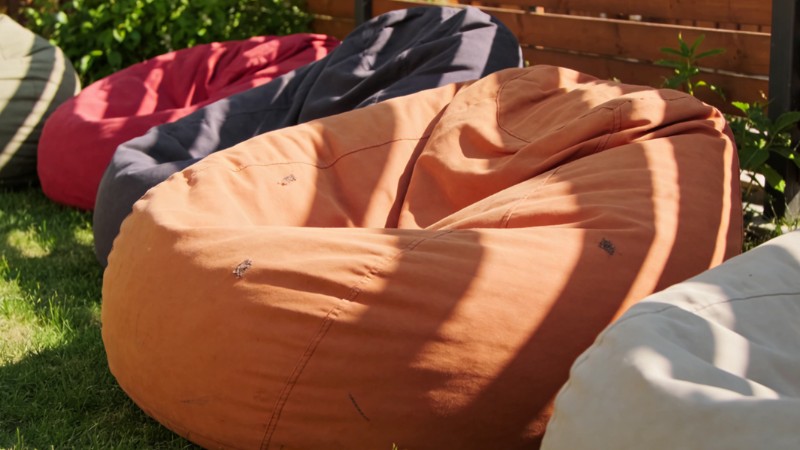
When selecting outdoor fabrics, understanding moisture performance is critical. The question "is olefin fabric waterproof" is common among homeowners and designers. Olefin, a synthetic fiber also known as polypropylene, exhibits specific hydrophobic properties that define its interaction with water. This analysis clarifies its capabilities and limitations in wet conditions.
Olefin is engineered for resilience. Its performance stems from its molecular structure, which repels liquids rather than absorbing them. This makes it a leading choice for applications where exposure to moisture is frequent, but it requires precise classification.
Defining Waterproof vs. Water-Resistant for Fabrics
Technical specifications distinguish between waterproof and water-resistant materials. A waterproof material forms an impermeable barrier, preventing water penetration under any hydrostatic pressure. Water-resistant fabrics, however, can repel light moisture for a limited time but may eventually wet through under sustained exposure or pressure.
Olefin fabric falls into the water-resistant category. Its construction allows it to shed water effectively, but it is not a sealed, waterproof membrane. This distinction is vital for setting realistic expectations for its use in outdoor settings.
The Hydrophobic Properties of Olefin
The core of olefin's performance lies in its inherent hydrophobicity. Polypropylene fibers have a low surface energy, causing water to bead up and roll off rather than being absorbed. This property is not a surface coating but is built into the fiber itself during manufacturing.
This leads to a clear answer: olefin fabric does not absorb water. Moisture remains on the surface, allowing for quick drying. This characteristic also inhibits mold and mildew growth, as the fibers themselves stay dry, depriving organisms of the damp environment they need.
How Olefin Fabric Handles Rain and Spills
In practical terms, olefin outdoor fabric performs well in rain for a defined period. Light to moderate rainfall will bead up and run off. The fabric's water resistance is often enhanced by its solution-dyed construction, where color is embedded in the fiber, preventing fading and maintaining integrity even when wet.
However, under heavy, driving rain or if water is allowed to pool on the surface, moisture may eventually seep through. The fabric's weave density and any backing material applied are significant factors in its overall water resistance.
Is Olefin Good for Patio Cushions in Rain?
Evaluating olefin for patio cushions requires a systems-level view. The olefin fabric itself provides excellent water resistance, protecting the cushion's outer surface. Its quick-drying nature means cushions can recover rapidly after a shower, reducing the risk of internal dampness.
Critical considerations for this application include:
Cushion Closure: Zippers or seams are potential water entry points not protected by the fabric's hydrophobicity.
Filling Material: Even if the fabric repels water, moisture entering through seams can be absorbed by foam or fiberfill inside.
Maintenance: While the fabric dries quickly, cushions should not be left saturated. Proper storage during prolonged storms is advised.
For these reasons, olefin is a strong, water-resistant choice for patio cushions, but it is not a substitute for waterproof storage or covers during extreme weather.
Comparing Olefin to Other Outdoor Fabrics
Understanding olefin's place requires comparison. Acrylic fabrics, like Sunbrella, are also water-resistant and excel in colorfastness. Polyester is often treated with coatings for water resistance, which can degrade with UV exposure and cleaning.
Olefin's advantage is its inherent, non-coated hydrophobicity and superior resistance to abrasion and chemicals. It typically offers better moisture resistance than untreated polyester and competes closely with high-end acrylics, often at a lower cost point, though it may be less UV-stable over very long periods.
Maximizing the Water Resistance of Olefin
To ensure optimal performance, proper care and selection are necessary. Choose high-density olefin weaves designed for marine or heavy-duty outdoor use. Apply a fluorochemical fabric protector specifically formulated for polypropylene to renew the water-beading effect over time.
Regular cleaning with mild soap and water is essential. Dirt and oils can compromise the hydrophobic surface by giving water a path to adhere to. Rinse thoroughly and allow the fabric to dry completely.
Final Assessment on Olefin and Water
Olefin fabric provides high-performance water resistance suitable for most outdoor applications. Its inherent hydrophobic properties prevent water absorption, promoting quick drying and inhibiting mildew. For patio furniture, boat covers, and outdoor cushions, it is a technically sound and durable selection.
Professionals should communicate that while olefin is not absolutely waterproof, its engineered resistance to moisture makes it a reliable, low-maintenance option. Success depends on pairing the fabric with appropriate construction methods, mindful maintenance, and realistic expectations for its performance in sustained, heavy rain.
Common Questions About Olefin Fabric
Does olefin fabric absorb water?
No. Olefin is hydrophobic, meaning it repels water. Moisture beads on the surface and does not soak into the fibers themselves, which allows for rapid drying.
Can olefin furniture be left in the rain?
It can withstand occasional rain, but prolonged exposure is not recommended. While the fabric resists water, internal cushion fillings can become damp, and frames may be affected. Use covers for extended wet periods.
How do you clean water-resistant olefin?
Use a soft brush, mild detergent, and lukewarm water. Scrub gently, rinse thoroughly to remove all soap residue, and let it air dry completely. Avoid harsh chemicals or power washers.
Does olefin fabric get moldy?
Its low moisture absorption makes olefin highly resistant to mold and mildew. However, dirt or organic matter on the surface can harbor growth, so regular cleaning is important.