Jute Fabric: A Complete Guide to Its Properties and Uses
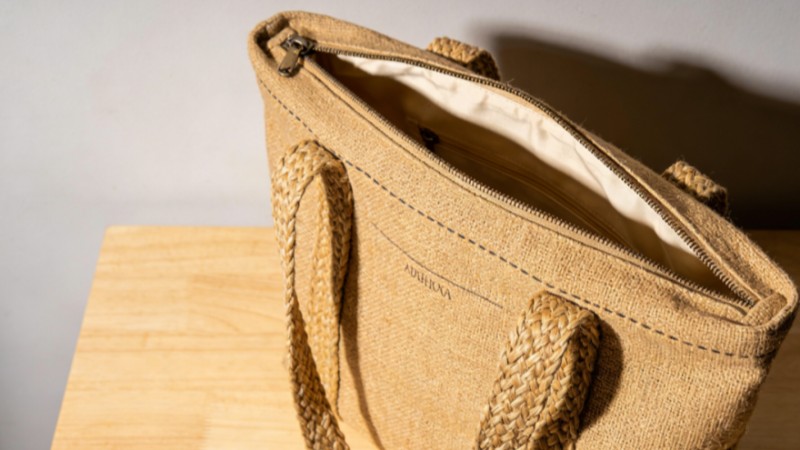
In a world increasingly focused on sustainability, natural materials are reclaiming the spotlight. Among them, jute fabric stands out for its remarkable versatility and eco-friendly credentials. But what exactly is this coarse, golden-toned textile, and where is it used? This guide dives into the characteristics and applications that make jute a unique and valuable natural fiber.
Understanding Jute: The "Golden Fiber"
Jute has been a cornerstone of rural economies for centuries, earning the nickname "golden fiber" for its color and economic value. It's a bast fiber, meaning it comes from the stem of a plant, specifically the Corchorus species.
What is Jute Fabric? A Natural Fiber Explained
Simply put, jute fabric is a textile woven from yarns spun from the long, soft plant fibers of the jute plant. It is one of the most affordable natural fibers and second only to cotton in global production volume. Its defining look—a coarse, rustic weave with a tan or golden hue—is instantly recognizable.
From Plant to Fabric: How Jute is Cultivated and Processed
Jute thrives in the warm, humid climates of countries like India and Bangladesh. After a four-month growth cycle, stems are harvested and submerged in water for "retting," a process where microbes loosen the fibers from the stalk. The fibers are then stripped, dried, and spun into rough, strong yarns ready for weaving into various jute textile uses.
Key Characteristics and Properties of Jute Fabric
The jute fabric properties are a direct result of its plant origin. They offer a compelling mix of advantages and some practical considerations.
Strength and Durability: The Hallmark of Jute
Jute fibers possess high tensile strength, meaning they can withstand significant pulling force. This makes the resulting fabric incredibly durable and ideal for heavy-duty applications. It has excellent load-bearing capacity, which is why it has historically been the go-to material for sacks carrying agricultural goods.
Texture, Breathability, and Environmental Profile
Jute is naturally breathable, allowing air to pass through easily. Its most celebrated property, however, is its environmental profile. It is 100% biodegradable, compostable, and renewable. Jute plants also absorb high amounts of CO2, making its cultivation beneficial for the atmosphere.
Considerations: Roughness, Moisture Sensitivity, and Dyeing
New jute fabric can have a coarse, scratchy texture, though it often softens with use and washing. It is highly absorbent, which can be a drawback as it retains moisture and is susceptible to mildew if left damp. While it can be dyed, achieving vibrant, colorfast results can be more challenging compared to fibers like cotton.
Primary Applications and Uses of Jute Textiles

The jute textile uses span from rugged industrial work to stylish home décor, showcasing its adaptability.
Packaging and Industry: Sacking, Hessian, and Geotextiles
Jute's traditional role is in packaging. It's woven into burlap (hessian) sacks for coffee beans, potatoes, and other commodities. In industry, it serves as a backing for linoleum and carpets. As a geotextile, jute mesh is laid on soil to prevent erosion and promote vegetation growth on slopes.
Home Décor and Fashion: Rugs, Bags, and Sustainable Apparel
Jute's natural, earthy aesthetic has made it a favorite in interior design. It's commonly used for area rugs, wall hangings, and upholstery. In fashion, it's crafted into sturdy tote bags, espadrilles, and structured hats. Designers are also blending it with softer fibers to create textured, sustainable apparel.
Niche and Innovative Uses
Beyond traditional markets, jute is finding new life. It's used in composite materials for automotive panels, as a sound-absorbing material, and in handicrafts. Its potential as a reinforcement fiber in biodegradable plastics is an area of ongoing research.
Jute vs. Cotton: Comparing Two Popular Natural Fibers
When choosing a natural material, understanding the difference between jute vs cotton is key. They serve very different purposes.
Fiber Source and Texture
Jute is a bast fiber (from the stem), resulting in a coarse, strong yarn. Cotton is a seed fiber, yielding a much finer, softer, and smoother thread. This fundamental difference dictates their primary uses.
Strength, Durability, and Common Uses
Jute is stronger and more rigid, perfect for sacks, ropes, and backing. Cotton is softer and more pliable, making it the default choice for clothing, bed linens, and towels. You wouldn't make a t-shirt from jute or a heavy-duty sack from cotton.
Environmental Impact and Care
Both are biodegradable. Jute generally requires less water and pesticides to cultivate. In terms of care, cotton is machine-washable and durable. Jute requires more gentle, spot cleaning and must be kept dry to prevent damage.
The Future of Jute Fabric in a Sustainable World
As industries and consumers prioritize circular economies, jute's star is rising. Its combination of strength, biodegradability, and carbon sequestration makes it a powerful ally against synthetic materials. Innovations in processing are softening its texture and improving dyeability, opening doors to wider applications in fashion and technical textiles. The future of jute fabric is not just in its past as a sack, but in its potential as a versatile, planet-positive material for modern design and industry.
FAQs About Jute Fabric
Is jute fabric the same as burlap?
Yes, essentially. "Burlap" is the common name, especially in North America, for a plain-woven fabric made from jute fiber. Hessian is another synonym used in Europe.
How do you soften jute fabric?
Gentle washing with fabric softener can help. For items like rugs, simply using them will cause natural fibers to soften and become more pliable over time.
Is jute fabric waterproof?
No, it is not. Jute is highly absorbent. For outdoor use, it must be treated with a water-resistant coating or used in covered areas.
Can jute fabric be used for clothing?
Yes, but typically in blends or for structured, non-skin-contact items like jackets, hats, or bags. Its coarse texture makes it unsuitable for soft, close-fitting garments.
How does jute compare to synthetic materials like polypropylene in terms of sustainability?
Jute is biodegradable and renewable, while polypropylene is a petroleum-based plastic that persists in landfills. Jute has a significantly lower environmental footprint from production to disposal.