How Bast Fibers Differ from Cotton and Linen
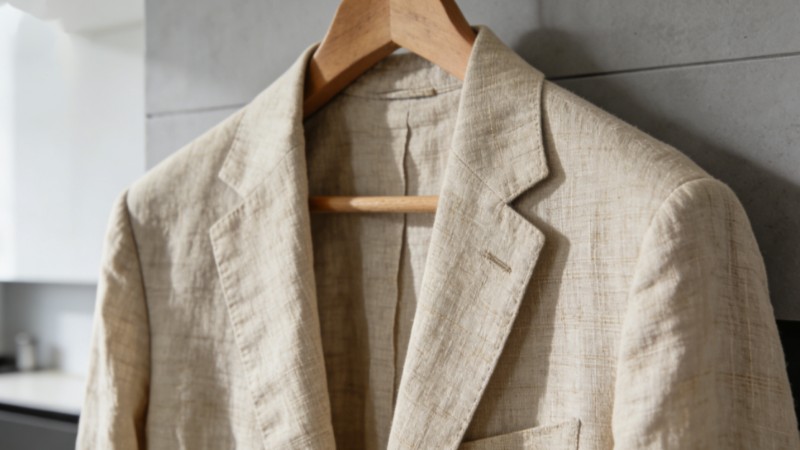
In the world of natural fibers, bast fibers represent a distinct category with unique structural and performance characteristics. While cotton and linen are household names, the technical differences between bast fibers and these more common materials are significant for textile engineers, product developers, and sustainability analysts. Understanding these distinctions is crucial for material selection and innovation.
This analysis examines bast fibers from a technical perspective, detailing their extraction, properties, and how they compare to cotton and linen across key performance parameters.
What Are Bast Fibers? Definition and Extraction
Bast fibers are a class of natural fibers obtained from the phloem, or inner bark, of dicotyledonous plants. They serve as the plant's structural support, conducting nutrients. This origin dictates their fundamental properties: high tensile strength, length, and cellulose content.
The extraction process, known as retting, involves using moisture and microbes to break down the pectin binding the fibers to the woody core. This is a critical differentiator from cotton, which is harvested via ginning from seed bolls. The complexity of retting directly influences fiber quality, consistency, and yield.
Primary Bast Fiber Examples
Several plants provide commercially significant bast fibers. Each offers a distinct profile of cellulose, lignin, and hemicellulose content.
Flax (Linum usitatissimum): The source of linen. Fibers are long, smooth, and highly crystalline, leading to notable strength and luster.
Hemp (Cannabis sativa): Known for exceptional durability, mold resistance, and length. It has a higher lignin content than flax.
Ramie (Boehmeria nivea): Often called China grass. It produces very long, fine, and lustrous fibers with high resistance to bacteria and sunlight.
Jute (Corchorus spp.): A bast fiber with higher lignin content, making it softer but less durable. Primarily used for sacking, carpet backing, and geotextiles.
Bast Fibers vs Cotton: A Structural and Functional Analysis
The comparison between bast fibers and cotton hinges on their botanical origins. Cotton is a seed fiber, consisting of almost pure cellulose arranged in a spiral structure. This results in a soft, hollow, and crimped fiber excellent for trapping air.
Bast fibers, as stem fibers, are composed of cellulose bundles held together by lignin and pectin. This composite structure grants them different mechanical properties.
Key Performance Differentiators
Tensile Strength: Bast fibers like flax and hemp exhibit significantly higher tensile strength than cotton. This makes them ideal for applications requiring durability, such as canvas, ropes, and technical textiles.
Moisture Management: Bast fibers are highly absorbent, wicking moisture away faster than cotton. However, they lack cotton's swelling capacity, leading to a drier feel against the skin.
Thermal Conductivity: Fabrics from bast fibers have higher thermal conductivity, meaning they feel cooler to the touch—a defining characteristic of linen. Cotton provides better insulation.
Environmental Impact: Bast plants like hemp and flax generally require less water and pesticides than conventional cotton cultivation. Their entire stalk is utilized, contributing to higher biomass yield per acre.
Bast Fibers vs Linen: Clarifying the Relationship
A common point of confusion is the relationship between bast fibers and linen. It is a subset relationship: linen is the finished yarn or fabric made specifically from the bast fibers of the flax plant. Therefore, comparing "bast fibers vs linen" is technically a comparison of a category to one of its specific product outcomes.
The more precise comparison is between different types of bast fibers and their resulting fabrics. For instance, hemp fabric versus linen (from flax).
Flax (for Linen) vs Other Bast Fibers
While all bast fibers share common extraction principles, their end-properties vary. Flax fibers are typically finer and more pliable than hemp, resulting in a fabric (linen) that is strong yet can achieve a soft hand with wear. Hemp fabric is often more textured, initially stiffer, and boasts superior mildew resistance. Ramie is the most lustrous and silky but can be brittle. Jute is the least durable but most cost-effective.
Applications of Plant-Based Bast Fibers in Industry
The technical properties of bast fibers drive their use beyond traditional textiles. Their high strength-to-weight ratio, biodegradability, and acoustic/thermal insulation properties make them valuable in composite materials.
In automotive interiors, bast fiber composites are used for door panels and headliners. In construction, they are integrated into insulation boards and biodegradable geotextiles for soil stabilization. The trend toward bio-based composites continues to expand the industrial relevance of these natural fibers.
Selecting the Right Natural Fiber
Material selection depends on the required performance profile. For high-absorption, cool-feeling, and durable apparel or home textiles, bast fibers like linen are optimal. For softness, insulation, and comfort in casual wear, cotton remains dominant. For technical applications demanding extreme strength, mold resistance, or composite reinforcement, hemp or flax fibers are often specified. Understanding the inherent trade-offs in strength, moisture handling, feel, and environmental footprint is essential for informed design and procurement.
FAQs about Bast Fibers
Is linen a bast fiber?
Linen is the fabric made from the bast fibers of the flax plant. The fiber itself is flax; linen is the finished textile product.
Which is stronger, cotton or bast fibers?
Bast fibers, particularly flax and hemp, possess higher tensile strength than cotton, making them more durable and resistant to tearing.
Why are bast fibers more sustainable?
Bast plants like hemp and flax often require fewer agricultural inputs (water, pesticides) and yield more usable fiber per acre. The entire plant stalk can be used, reducing waste.
Can bast fibers be blended with cotton?
Yes, blending bast fibers like hemp or flax with cotton is common. It combines the strength and coolness of bast with the softness and familiarity of cotton, improving fabric performance and durability.
What is the main disadvantage of bast fibers?
A primary challenge is their inherent stiffness and tendency to wrinkle due to low elasticity. Processing and finishing techniques, like enzyme treatments, are used to improve softness and handle.