Ramie Fabric: A Complete Guide to Its Properties and Uses
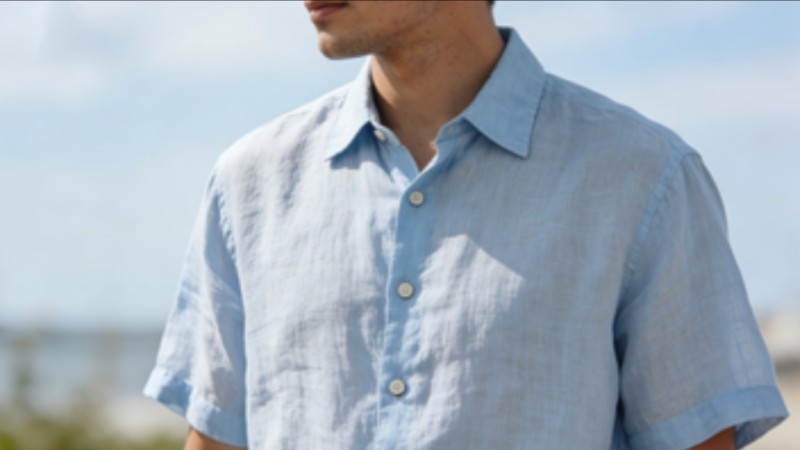
You're likely familiar with cotton, linen, and silk, but have you met ramie? This ramie fabric is a natural fiber with a unique set of qualities that make it a standout choice for everything from crisp summer shirts to durable home decor. Let's explore what makes this material special.
Ramie Fabric Explained: A Natural Fiber with Ancient Roots
Ramie isn't a new synthetic; it's one of the oldest textile fibers in the world. Understanding its origins helps explain its enduring appeal.
What is Ramie? The Plant Behind the Fiber
Ramie comes from the bast fiber of the Boehmeria nivea plant, a member of the nettle family. Unlike cotton, which is a seed fiber, ramie is a bast fiber—meaning it's extracted from the inner bark of the plant stalk. The extraction and degumming process to separate the spinnable fiber is more complex, which historically contributed to its higher cost.
A Brief History of Ramie Textiles
This isn't a trendy newcomer. Ramie was used in mummy cloths in ancient Egypt and has been cultivated in China for millennia, where it's known as "zhuma." Its use ebbed and flowed with textile technology, but its inherent strength and luster have kept it in the conversation for over 6,000 years.
Key Properties and Characteristics of Ramie Fabric
So, what does this ancient fiber feel like and how does it perform? The ramie fabric properties are a compelling mix of strength and comfort.
Strength and Durability: Built to Last
Ramie is exceptionally strong—in fact, it's one of the strongest natural fibers. Its tensile strength is several times greater than cotton's, and unlike many fibers, it becomes even stronger when wet. This makes it highly resistant to abrasion and wear, promising longevity in your wardrobe or home.
Texture, Drape, and Aesthetic Qualities
Think of a crisp, clean aesthetic. Pure ramie has a beautiful natural luster and a smooth, cool hand feel. It dyes brilliantly, holding vibrant colors, and has little elasticity, which helps garments maintain their shape without sagging over time.
Comfort and Practical Performance
Here's where ramie shines for warm weather. It's highly absorbent, wicking moisture away from the body quickly, and it dries fast. The fiber is naturally breathable and resists bacteria, mildew, and even UV degradation, making it a practical and fresh-feeling choice.
Ramie vs. Cotton and Linen: How Does It Compare?
Context is key. Seeing how ramie stacks up against other natural fibers helps you decide when to choose it.
Ramie vs. Cotton: Strength, Shine, and Wrinkles
The ramie vs cotton debate often comes down to texture versus toughness. Ramie is stronger, more lustrous, and holds its shape better. Cotton is generally softer from the first wear. Ramie can wrinkle easily, similar to linen, while cotton wrinkles less. Both are breathable, but ramie's moisture-wicking is superior.
Ramie vs. Linen: The Crispness Factor
Ramie and linen are often compared, and for good reason. Both are crisp, cool, and breathable. The main difference is in texture: linen has a more distinct, slightly slubbed texture and a relaxed crumple. Ramie offers a smoother, finer surface with a sharper drape and a more pronounced sheen.
Common Uses and Applications of Ramie Textiles
Thanks to its unique profile, ramie textile uses span from high fashion to heavy-duty applications.
Fashion and Apparel: From Summer Shirts to Elegant Blouses
You'll often find ramie in lightweight summer clothing: blouses, dresses, skirts, and trousers. Its crispness makes it excellent for structured garments like suits and jackets. It's also frequently blended with cotton, wool, or silk to add strength, luster, and reduce wrinkling.
Home Furnishings: Durable and Refined Decor
In the home, ramie's strength and beauty translate well. It's used in high-quality tablecloths, napkins, curtains, and bedspreads. Its durability also makes it a candidate for upholstery fabrics that need to withstand use while maintaining a refined look.
Industrial and Specialty Uses
Historically, its strength made it ideal for canvas, fishing nets, parachutes, and even banknote paper. Today, you might find it in specialty composites, filters, or other industrial applications where a strong, natural fiber is required.
Caring for Ramie Fabric: Washing, Drying, and Ironing Tips
Proper care will keep your ramie items looking their best for years. The rules are similar to those for linen.
Best Practices for Washing and Drying
Machine wash on a gentle cycle with cool water, or hand wash. Use a mild detergent. Avoid bleach, as it can weaken the fibers. To dry, air-drying is best to prevent shrinkage and maintain the fabric's integrity. Tumble dry on low only if necessary.
How to Iron and Store Ramie Garments
Iron ramie while it is still slightly damp. Use a high heat setting, and you can use steam to help remove stubborn wrinkles. For storage, fold items neatly or hang them on padded hangers to avoid creating sharp, permanent creases.
The Pros and Cons of Choosing Ramie
Let's weigh the benefits against the drawbacks to see if ramie is right for your needs.
Advantages: Why Choose Ramie?
Extremely Durable: One of the strongest natural fibers.
Breathable & Moisture-Wicking: Ideal for hot, humid climates.
Beautiful Drape and Luster: Offers a crisp, elegant appearance.
Eco-Friendly Potential: As a perennial plant, it requires fewer pesticides than cotton.
Resists Mildew and Bacteria: Stays fresher for longer.
Disadvantages: Considerations to Keep in Mind
Low Elasticity: Can feel stiff and may wrinkle easily.
Can Be Costly: The processing is labor-intensive, raising the price.
Requires Ironing: To look its crisp best, it often needs a press.
Stiffness When Pure: Often blended with other fibers to improve softness.
Final Thoughts on Ramie as a Sustainable Textile
Ramie fabric stands out as a remarkably durable and breathable choice with a timeless, crisp elegance. While it asks for a bit more care in maintenance, it rewards you with longevity and performance. For those seeking natural fibers that go beyond the ordinary, ramie offers a compelling blend of history, strength, and comfort. As interest in diverse and sustainable materials grows, this ancient fiber is well-positioned for a modern revival.
FAQs About Ramie Fabric
Is ramie fabric good for summer weather?
Absolutely. Its high breathability and excellent moisture-wicking properties make it one of the best natural fibers for staying cool and dry in hot, humid summer weather.
Does ramie shrink or stretch after washing?
Ramie has low elasticity and minimal shrinkage if cared for properly. Always wash in cool water and air-dry to prevent any potential shrinkage. It does not stretch out like some other fibers.
Is ramie more sustainable than cotton?
It has strong sustainable potential. As a perennial plant, it regrows after harvesting and often requires fewer pesticides and water than conventional cotton. The full environmental impact depends heavily on farming and processing practices.
Why is ramie fabric often blended with other fibers like cotton or wool?
Blending softens ramie's sometimes stiff hand feel, reduces wrinkling, and can lower cost. It also combines ramie's strength and luster with the softness of cotton or the warmth of wool, creating a fabric with the best qualities of both.