Is Tencel Fabric Toxic? A Safety Guide for Sensitive Skin
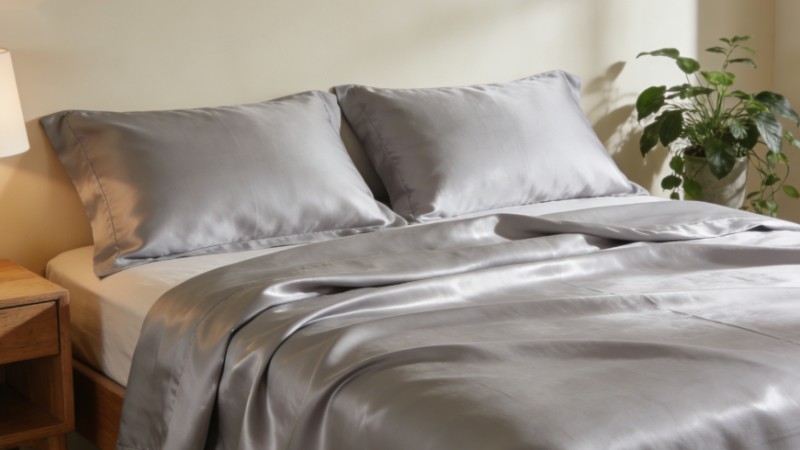
If you have sensitive skin or prioritize non-toxic materials, you’ve likely asked: is Tencel fabric toxic? The short answer is no, but the full story is rooted in its unique, eco-conscious production. This guide cuts through the noise, analyzing the chemicals, skin benefits, and environmental profile of Tencel to give you a clear verdict.
What is Tencel? Understanding the Fabric's Origin
Tencel is the brand name for Lyocell, a fiber made from sustainably sourced wood pulp, typically eucalyptus or beech trees. Unlike synthetic fabrics derived from petroleum, Tencel begins with a natural, renewable resource. Its reputation for safety and sustainability is intrinsically linked to how it’s made.
From Tree to Textile: The Closed-Loop Lyocell Process
The magic lies in the "closed-loop" manufacturing. Wood pulp is dissolved using a non-toxic, organic solvent called NMMO. This solution is pushed through fine holes to create fibers, which are then washed and dried. Crucially, over 99% of the solvent is recovered and reused in the next cycle, minimizing waste and environmental impact.
Tencel vs. Other Rayons: A Key Distinction
While both are derived from wood pulp, traditional viscose rayon uses a more chemically intensive process involving carbon disulfide, which can be harmful if not managed properly. Tencel’s modern Lyocell method is a cleaner, more controlled alternative, setting it apart in terms of both ecological footprint and potential chemical residues.
Is Tencel Fabric Toxic? Breaking Down the Chemicals
Addressing the core question directly requires looking at the chemicals involved and what, if anything, stays in the final fabric you wear.
The Role of NMMO Solvent in Tencel Production
The primary chemical used is N-Methylmorpholine N-oxide (NMMO). It’s an organic compound with low toxicity, not classified as a hazardous air pollutant. Its high recovery rate in the closed-loop system means very little is released, and it does not remain as a toxic residue in the finished Tencel fibers.
Chemical Residues: What Remains in Your Clothes?
After the fibers are formed, they undergo rigorous washing and purification. Independent certifications like OEKO-TEX® Standard 100 test for harmful substances, and Tencel fabrics that earn this label are verified free from levels of chemicals known to be detrimental to human health. This process ensures the final textile is clean and safe.
Why Tencel is Considered Safe and Hypoallergenic
Moving beyond the absence of toxins, Tencel possesses inherent properties that make it a champion for sensitive skin, answering whether is tencel hypoallergenic with a resounding yes.
The Smooth Fiber Structure and Skin Irritation
Tencel fibers are exceptionally long and smooth. This creates a fabric surface with far less friction and pilling than cotton. For sensitive skin, this means reduced mechanical irritation. The smooth fibers also trap fewer dust mites and other microscopic irritants compared to rougher, more porous fabrics.
Moisture Management and Bacterial Growth
Tencel excels at moisture-wicking, absorbing and releasing humidity more efficiently than cotton. By keeping the skin surface drier, it creates a less favorable environment for the bacteria and fungi that can lead to odor, itchiness, and breakouts. This natural antibacterial quality adds to its tencel fabric safe profile.
Tencel for Sensitive Skin: Benefits and Practical Considerations
Knowing the theory is one thing; applying it is another. Here’s how to leverage Tencel’s benefits in your daily life.
Ideal Applications: Sleepwear, Activewear, and Everyday Basics
For those seeking tencel for sensitive skin, focus on items in prolonged contact with your body:
Bedding & Sleepwear: Its temperature regulation and smooth feel promote comfortable, irritation-free sleep.
Activewear & Underwear: Superior moisture management keeps you dry during exercise or daily wear.
T-Shirts & Everyday Tops: A soft, breathable alternative to cotton for all-day comfort.
Checking for Blends and Finishes
The purest form of Tencel offers the most skin-friendly benefits. Always check the garment label. Blends with synthetic fibers like polyester are common and may alter the feel and breathability. Also, be aware of added chemical finishes for wrinkle resistance or permanent press, which could introduce irritants. Look for certifications like OEKO-TEX® for added assurance.
The Eco-Friendly Profile of Tencel Fabric
Its safety for your skin is mirrored by its gentler impact on the planet, making is tencel eco friendly a logical next question.
Sustainable Forestry and Low-Impact Processing
The wood pulp comes from FSC or PEFC-certified forests, ensuring responsible sourcing. The closed-loop process itself is remarkably efficient, using less water and energy than conventional cotton processing and recovering nearly all solvents.
Biodegradability and End-of-Life
At the end of its useful life, Tencel is fully biodegradable and compostable under industrial, home, and even marine conditions. It breaks down naturally, unlike petroleum-based synthetics that contribute to microplastic pollution.
Final Verdict: Is Tencel a Safe Choice?
Based on its manufacturing, chemical profile, and inherent fiber properties, Tencel stands out as a non-toxic, skin-safe, and environmentally responsible fabric. For individuals with eczema, allergies, or general skin sensitivity, it offers a breathable, hypoallergenic, and incredibly soft alternative. While individual allergies to any material are always possible, pure Tencel presents a minimal risk. When you choose Tencel, you’re selecting a fabric that prioritizes well-being—for both your skin and the environment. So, to the pressing question is tencel fabric toxic? The evidence points confidently to a safe and sustainable no.
FAQ Section: Common Questions About Tencel Fabric Safety
Is Tencel fabric safe for babies and children?
Yes, its softness, breathability, and hypoallergenic nature make it an excellent choice for baby clothing, bedding, and sensitive young skin. Always opt for certified organic or OEKO-TEX® labeled items for the highest assurance.
Can you be allergic to Tencel fabric?
Allergies to the Tencel fiber itself are extremely rare. However, reactions can occur due to dyes, finishes, or blends used in a specific garment. If you have known sensitivities, choose undyed or certified options.
Does Tencel contain formaldehyde or other harsh chemicals?
Pure Tencel produced in the standard Lyocell process does not contain formaldehyde. The NMMO solvent used is non-toxic and recovered. Fabrics with OEKO-TEX® certification are tested to be free from harmful levels of regulated chemicals.
How does Tencel compare to cotton for sensitive skin?
Tencel is often smoother, more breathable, and better at wicking moisture than cotton. Its fibers are less likely to harbor irritants, making it a superior choice for many with sensitive skin, though organic cotton remains a good, natural alternative.
Is Tencel considered a natural or synthetic fabric?
Tencel is a regenerated cellulose fiber, meaning it comes from natural wood pulp but is processed into a fiber. It is not synthetic like polyester, but it is also not a "natural fiber" like wool or raw cotton. It occupies a middle ground as a manufactured fiber from natural origins.