Tencel vs Cotton: A Technical Fabric Comparison
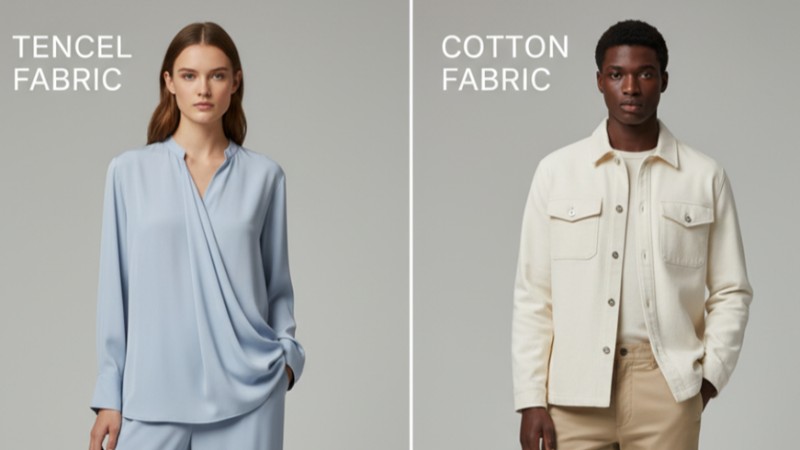
Choosing between Tencel and cotton involves more than feel. It requires understanding fiber origin, performance under stress, and long-term wear characteristics. Both dominate the textile market, yet their technical profiles differ significantly. This analysis examines their properties to inform material selection for clothing and home textiles.
Fiber Origin and Production: A Technical Breakdown
Tencel, a branded lyocell fiber, originates from wood pulp, typically eucalyptus. Its closed-loop production process recycles water and solvents, minimizing chemical waste. Cotton is a natural cellulose fiber grown from the cotton plant. Conventional cultivation is water and pesticide-intensive, though organic methods mitigate some impact. The fundamental distinction lies in Tencel's engineered, semi-synthetic production versus cotton's agricultural, fully natural source.
Performance Analysis: Tencel vs Cotton Clothing
In apparel applications, fabric performance dictates comfort and longevity. Key parameters include moisture management, thermal regulation, and tensile strength.
Moisture Management and Breathability
Tencel breathability is exceptional due to its fiber structure. It absorbs moisture more efficiently than cotton, wicking it away from the skin and releasing it into the air. This creates a pronounced cooling effect and reduces bacterial growth. Cotton absorbs moisture well but holds it within the fiber, which can lead to a damp feeling and slower drying times in humid conditions.
Durability and Care Considerations
A tencel durability comparison with cotton reveals nuanced strengths. When wet, Tencel fibers gain approximately 15-20% more tensile strength, making garments less prone to damage during washing. Cotton's strength decreases when wet. However, Tencel can be susceptible to abrasion or pilling if washed with harsh fabrics. It often requires gentle cycles. Cotton is generally more forgiving in mixed laundry loads but may shrink or degrade faster with high-heat drying.
| Parameter | Tencel (Lyocell) | Cotton |
|---|---|---|
| Moisture Wicking | High | Moderate |
| Strength When Wet | Increases | Decreases |
| Drying Time | Fast | Slow |
| Wrinkle Resistance | High | Low |
Application-Specific Evaluation: Sheets and Daily Wear
The optimal choice shifts based on the product's use case. For tencel vs cotton sheets, Tencel's temperature-regulating and hypoallergenic properties are advantageous for sleepers prone to overheating. Its smooth surface feels silky and resists dust mites. Cotton sheets, particularly long-staple varieties like Egyptian or Pima, offer classic, breathable comfort and become softer over many washes.
For daily tencel vs cotton clothing, Tencel excels in base layers, summer wear, and travel clothing where moisture management is critical. Cotton remains a preferred choice for casual wear, towels, and items where high absorbency and a familiar, soft hand feel are prioritized.
Environmental and Practical Trade-offs
The cotton vs lyocell environmental debate is complex. Tencel's closed-loop process sets a high standard for resource efficiency and chemical management. Organic cotton addresses pesticide and water use concerns but requires significant land. From a practical standpoint, Tencel often commands a higher price point due to its specialized manufacturing. Cotton offers a wider range of price and quality tiers, from basic to luxury.
Selecting the Right Fabric for Your Needs
Material selection should be driven by priority parameters. Choose Tencel for superior moisture wicking, a cooling feel, and consistent strength in humid environments. Opt for cotton if you prefer natural fiber familiarity, high heat tolerance for washing, and a fabric that softens predictably with age. For many, a blend of both fibers offers a balanced performance profile, merging Tencel's functionality with cotton's tactile comfort.
Common Questions on Tencel and Cotton
Is Tencel hotter than cotton?
No. Tencel is generally cooler. Its superior moisture-wicking and breathability actively pull heat and dampness away from the body, unlike cotton which can retain moisture and feel clammy.
Does Tencel shrink like cotton?
Tencel is more dimensionally stable and resists shrinkage better than cotton when cared for properly. Always follow garment care labels, but Tencel typically requires less vigilance regarding hot water and high-heat drying.
Which is more sustainable, Tencel or cotton?
Sustainability depends on the metric. Tencel's closed-loop process is highly efficient with lower water impact during production. Organic cotton has a lower chemical footprint during cultivation. Both represent improvements over conventional standard practices.
Can Tencel be used for athletic wear?
Yes. Tencel's high breathability and moisture management make it suitable for athletic and base layer clothing. It is often blended with other fibers like elastane to provide the necessary stretch for activewear.