Corduroy Clothing Guide: Technical Specs & Seasonal Wear Tips
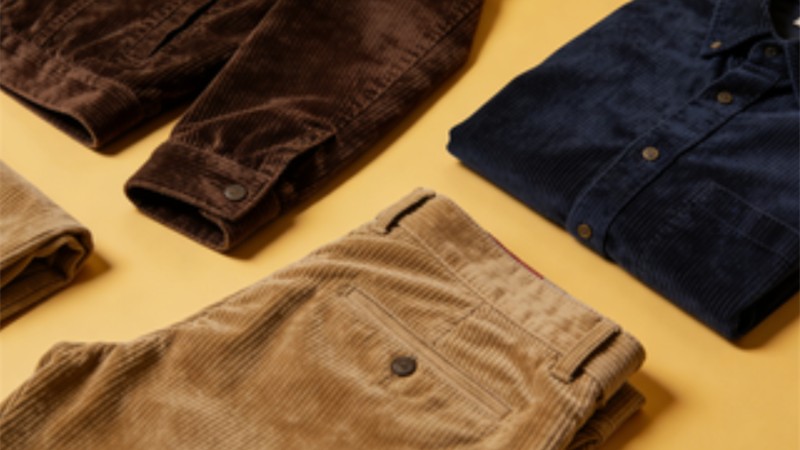
Corduroy fabric clothing occupies a unique position in apparel, blending distinctive texture with functional properties. This analysis examines its material composition, thermal characteristics, and practical application across varying climatic conditions. Understanding these parameters allows for optimal integration of corduroy garments into a functional wardrobe.
What is Corduroy? Understanding the Fabric's Unique Structure
Corduroy is a textile characterized by a cut-pile weave, forming parallel ridges known as "cords" or "wales." This structure is created by weaving an extra set of filling yarns, which are subsequently cut to produce the soft, raised surface. Historically a durable cotton fabric, its construction directly dictates its tactile and performance attributes.
The Anatomy of a Cord: Wale Count and What It Means
Wale count, measured as cords per inch (CPI), is the primary determinant of a corduroy's character. A higher count (e.g., 14-16 wale) yields a finer, softer, and more formal texture with less pronounced ridges. A lower count (e.g., 3-6 wale) produces a wider, deeper cord, resulting in a heavier, more rugged, and casual fabric with greater visual texture.
Common Fiber Blends: Cotton, Stretch, and Beyond
While traditional corduroy is 100% cotton, modern iterations utilize blends to modify performance. Cotton provides breathability and softness. The integration of elastane (2-5%) introduces mechanical stretch, improving mobility and fit retention. Blends with polyester enhance durability and wrinkle resistance, while wool blends significantly increase insulation for cold-weather applications.
Corduroy's Seasonal Performance: Warmth, Breathability, and Comfort
The performance of corduroy fabric clothing is governed by its dense, pile-based structure. This section quantifies its thermal regulation and comfort relative to common apparel fabrics.
Corduroy Warmth Level: Is It a True Winter Fabric?
Corduroy provides substantial insulation, validating its classification as a corduroy winter fabric. The raised piles trap a layer of still air against the body, creating an effective thermal barrier. Its inherent weight and density offer wind resistance superior to standard twill or poplin. Wide-wale corduroy, being thicker, generally provides more insulation than fine-wale versions.
Corduroy Breathability: How Does It Handle Warmer Weather?
The breathability of corduroy is moderate and inversely related to its warmth. Cotton-based corduroy allows for some moisture vapor transmission. However, the dense weave limits air circulation compared to open weaves like linen or chambray. In high-humidity environments, it can feel clammy. For warmer conditions, fine-wale corduroy in a lightweight construction is the optimal configuration for maximizing corduroy breathability.
Corduroy Comfort Comparison: How It Stacks Up Against Denim, Twill, and Wool
A corduroy comfort comparison reveals its middle-ground positioning. It is typically softer and more pliable than raw denim from the first wear, with less break-in required. Compared to standard cotton twill, it offers more warmth and a distinct texture but can be less breathable. Against wool, it provides less innate temperature regulation and moisture-wicking but often achieves a more casual drape and easier care profile.
Styling Corduroy Clothing for Every Season
Maximizing the utility of corduroy fabric clothing involves selecting appropriate wale counts and garment types aligned with seasonal demands.
Fall & Winter: Leveraging Its Natural Warmth
Utilize corduroy's insulating properties for core cold-weather layers. Recommended applications include structured jackets, full-weight trousers, and overshirts. Wide or mid-wale constructions are ideal here. These pieces function effectively as mid-layers under coats or as primary outerwear in dry, mild cold.
Spring & Summer: Choosing the Right Pieces for Cooler Days
For transitional weather, select fine-wale corduroy in lighter-weight constructions. Garments like shorts, skirts, unstructured blazers, or lightweight shirts are suitable. These pieces provide light insulation during cool mornings or evenings without the thermal overload of heavier fabrics, extending corduroy's wearable season.
Caring for Your Corduroy to Maintain Its Look and Feel
Proper maintenance is critical to preserving the pile texture and color integrity of corduroy fabric clothing.
Washing, Drying, and Ironing Best Practices
Machine wash inside-out in cold water on a gentle cycle to minimize abrasion and fading. Use mild detergent. Tumble dry on low heat or air dry to prevent excessive shrinkage and crushing of the cords. If ironing is necessary, do so inside-out on a low steam setting, brushing the pile gently afterwards to restore texture.
Storage and Spot Cleaning Tips
Store corduroy garments on padded hangers to avoid shoulder deformation. Avoid tight folding for long periods to prevent permanent creasing in the cords. For spot cleaning, blot stains gently from the base of the cord upward to avoid grinding debris into the pile. Professional cleaning is advised for significant stains or wool-blend items.
When Corduroy Makes Sense
Corduroy fabric clothing is a versatile technical choice for those seeking texture, durability, and inherent insulation. Its optimal use case is in cool to cold, dry climates, where its warmth and wind resistance are most beneficial. For warmer or humid conditions, fine-wale, lightweight variants offer limited utility. The decision hinges on prioritizing its tactile and insulating qualities against its moderate breathability. When selected and cared for according to its structural parameters, corduroy provides long-term functional and aesthetic value.
FAQ: Corduroy Fabric Clothing Questions Answered
Is corduroy too hot for summer?
Fine-wale corduroy in lightweight constructions can be worn on cool summer evenings. However, its dense weave makes it less suitable than linen or cotton poplin for high temperatures and humidity.
How do I stop my corduroy pants from getting shiny?
Shine results from abrasion flattening the pile. Minimize friction, wash inside-out, and avoid ironing the right side. Brushing the cords gently with a soft clothes brush can help restore texture.
Can corduroy be considered a formal fabric?
Fine-wale corduroy (11+ wale) in dark colors can approach business-casual formality in blazers or trousers. Wide-wale corduroy is inherently casual. It is not a substitute for worsted wool in formal settings.
Does corduroy shrink in the wash?
Cotton-based corduroy can shrink, particularly with high-heat drying. To minimize shrinkage, wash in cold water and air dry or use a low-heat tumble dry cycle.