Why Olefin Is Used in Outdoor and Upholstery Fabrics
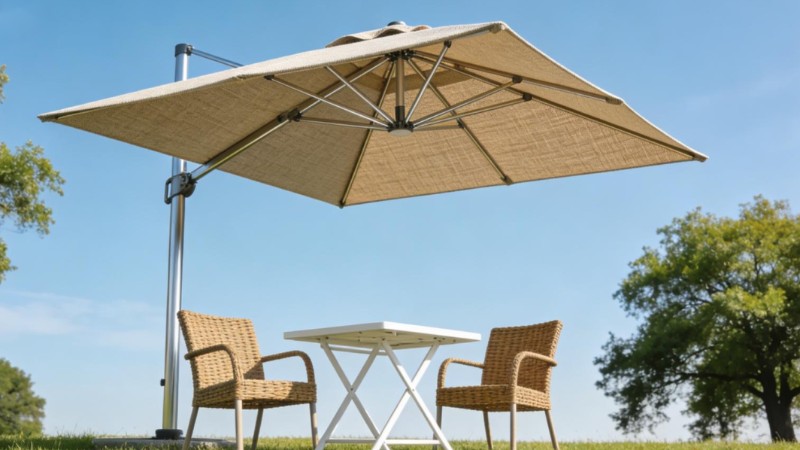
You’re shopping for a new patio set or a durable sofa, and you keep seeing “olefin” listed in the fabric description. It’s not a household name like cotton or polyester, but in the world of performance textiles, olefin is a quiet powerhouse. Its unique properties make it a top contender for any project that demands resilience against the elements and daily wear.
So, what exactly is olefin, and why do manufacturers favor it for challenging applications? The answer lies in a combination of science and practical performance that directly addresses the needs of outdoor living and high-traffic furniture.
What Makes Olefin Ideal for Outdoor Fabrics?
Olefin, also known as polypropylene, is a synthetic fiber engineered for toughness. Its molecular structure grants it a set of superpowers that are perfectly suited for the great outdoors. When you’re evaluating an olefin outdoor textile, you’re looking at a material built to last.
First, it’s inherently hydrophobic, meaning it repels water instead of absorbing it. Spills bead up and can be wiped away, and the fabric dries incredibly fast after rain. This also makes it highly resistant to mildew and mold, a common headache for damp patio cushions.
Superior Sun and Stain Resistance
The standout feature for any outdoor material is its ability to handle constant sun exposure. Olefin UV resistance is exceptional. The color is not applied with a surface dye; it’s created by adding pigments to the liquid plastic before it’s spun into fiber. This solution-dyeing process locks color in, preventing the fading and bleaching you see with other fabrics after just one season.
Furthermore, olefin is chemically inert. It doesn’t react with common outdoor hazards like chlorine, salt water, or most acids and alkalis. This makes it highly stain-resistant. Oil-based stains, which often ruin other fabrics, typically sit on the surface of olefin and can be cleaned without leaving a permanent mark.
Why Olefin Upholstery Fabric Works Indoors
The same traits that make olefin a champion outdoors translate brilliantly to indoor upholstery. Think about the places in your home that see the most action: the family room sofa, the dining chairs, a hallway bench. These spots need fabric that can withstand spills, pets, and constant use.
Olefin upholstery fabric brings its moisture-wicking, stain-fighting, and durable nature inside. It’s a fantastic choice for households with children or pets, as accidents are less likely to become permanent disasters. The fiber’s resistance to abrasion means it won’t pill or wear thin quickly, maintaining a neat appearance for years.
Balancing Comfort with Olefin Fabric Durability
Early olefin could feel stiff, but modern weaving and texturing techniques have solved that. Today’s olefin fabrics are often soft, textured, and comfortable for daily lounging. Manufacturers frequently blend it with other fibers or use specific weaves to enhance its handfeel without sacrificing its core strengths.
This olefin fabric durability is measured by a high double-rub count (a test for abrasion resistance), often placing it in the heavy-duty commercial grade. That’s why you’ll find it not just in homes, but in hotels, restaurants, healthcare facilities, and offices—anywhere longevity is a key requirement.
Key Considerations When Choosing Olefin
While its benefits are impressive, olefin isn’t perfect for every single application. Being aware of its limitations helps you make the best choice.
Heat Sensitivity: Olefin has a lower melting point than fibers like polyester. It shouldn’t be used near high-heat sources like fire pits or grills, and ironing requires a very cool setting.
Weight & Drape: It’s a lightweight fiber, which is great for performance but can sometimes make a fabric feel less substantial. High-quality olefin textiles are engineered to have a good, durable drape.
Cleaning: Avoid harsh solvents. Most cleaning involves mild soap, water, and a soft brush. Always check the manufacturer’s care label first.
Making the Right Fabric Choice
Selecting a fabric is about matching material properties to your specific needs. If your priority is a low-maintenance, fade-resistant cover for patio furniture that faces full sun, olefin is a premier candidate. If you need a sturdy, stain-resistant upholstery for a busy family room, it’s again a top contender.
The rise of olefin fabric uses in both outdoor and indoor settings is no accident. It’s a direct response to the demand for materials that look good, require minimal upkeep, and stand the test of time. By understanding its strengths, you can confidently choose a textile that will perform, season after season, spill after spill.
Common Questions About Olefin Fabrics
Is olefin fabric good for outdoor cushions?
Yes, it's excellent. Its moisture resistance, quick-drying nature, and superior UV resistance make it one of the best choices for outdoor cushions that face sun and weather.
Can olefin upholstery be used on a sofa?
Absolutely. Its high durability and stain resistance make it ideal for sofas in high-traffic areas. Look for textured weaves for better comfort and a more cloth-like feel.
How does olefin compare to polyester for outdoor use?
Both are durable, but solution-dyed olefin generally offers better fade resistance and moisture-wicking. Polyester can be more heat-resistant and may have a softer handfeel in some constructions.
Is olefin fabric easy to clean?
Very. Most spills can be blotted with a damp cloth and mild soap. Its stain resistance prevents many liquids from setting in, making routine cleaning straightforward.