Is Modal Fabric Toxic? A Safety and Chemicals Guide
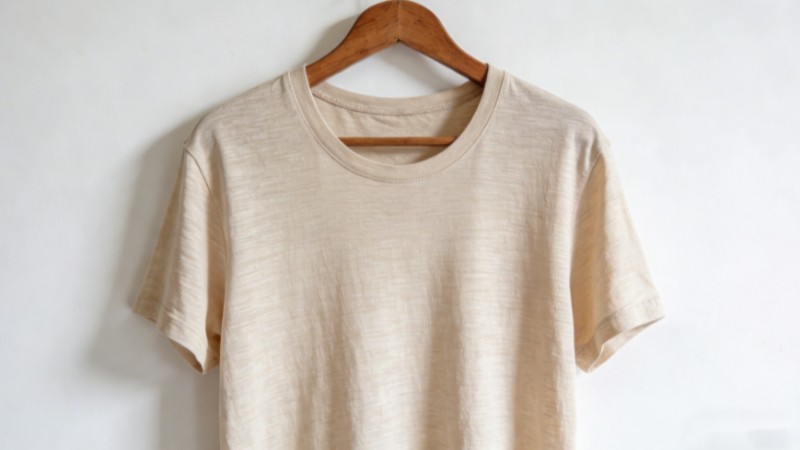
You’ve found a soft, silky shirt labeled "modal," and it feels amazing. But a nagging question pops up: is modal fabric toxic? With growing awareness about chemicals in clothing, it’s a smart question to ask.
Let's break down what modal really is, look at the chemicals involved in making it, and see how it stacks up for everyday wear, especially against skin.
What Is Modal Fabric, Really?
Modal is a type of rayon. It’s not a synthetic plastic like polyester; it’s a semi-synthetic fiber made from regenerated cellulose. The source is usually beechwood trees.
The process turns solid wood pulp into a soft, flexible fiber. This origin from natural wood is why modal is often marketed as a "plant-based" or "eco-friendly" material. Its real-world appeal lies in its breathability, moisture-wicking ability, and that coveted silky-soft drape.
What Chemicals Are Used in Modal Fabric Production?
This is the core of the safety discussion. To transform wood into wearable fiber, a chemical process is necessary. The primary method is the "viscose process," which uses these key chemicals:
Caustic Soda (Sodium Hydroxide): This strong alkali dissolves wood pulp into a slurry.
Carbon Disulfide: This chemical reacts with the pulp to create a viscous, honey-like solution called "viscose."
Sulfuric Acid: Used to solidify the viscose solution into threads during the spinning process.
Carbon disulfide is the main chemical of concern. It’s a toxic volatile compound. In high occupational exposure settings, it poses health risks to workers. The critical question for you, the consumer, is whether this chemical remains in the final fabric you wear.
Are These Chemicals Trapped in Your Clothes?
During manufacturing, the fibers are thoroughly washed and purified. Reputable manufacturers aim to remove residual processing chemicals before the fabric reaches you. In a well-made modal garment, the levels of these chemicals should be negligible.
However, the environmental impact of this process, particularly the management of wastewater and chemical byproducts, is a significant part of the sustainability conversation around modal and other rayon fibers.
Is Modal Fabric Safe for Skin?
For most people, yes, finished modal fabric is considered safe for skin. Its natural properties are actually beneficial:
Hypoallergenic: It’s generally less likely to cause irritation compared to some synthetic fibers.
Breathable: It allows air to circulate, reducing moisture buildup that can irritate skin.
Smooth Texture: The fine fibers are less abrasive than rough textiles.
Potential modal fabric health concerns for wearers are less about the base fiber and more linked to two other factors: chemical residues from poor manufacturing, and dyes/finishes added later. Someone with chemical sensitivities or very reactive skin might experience a response to low-quality modal.
Modal Fabric vs Cotton Safety: A Clear Comparison
How does modal’s safety profile compare to the natural gold standard, cotton? Let’s look at the key points.
| Factor | Modal | Cotton |
|---|---|---|
| Fiber Origin | Semi-synthetic (from wood) | Natural (from plant bolls) |
| Production Process | Chemical-intensive (viscose process) | Mechanical & chemical (pesticides, dyes) |
| Skin Feel & Safety | Exceptionally soft, smooth, low irritation risk | Soft (can be rough if not combed), low irritation risk |
| Environmental Impact | Chemicals & tree sourcing are concerns; can be better with closed-loop systems | High water & pesticide use are concerns; better with organic practices |
Both have pros and cons. Conventional cotton farming uses pesticides, while modal production uses industrial chemicals. For skin safety, both are generally excellent choices when made responsibly.
How to Choose Safer Modal Fabric
If you love the feel of modal but want to minimize any risk, here’s what you can do:
Look for Certifications: Seek out labels like OEKO-TEX Standard 100. This certification tests for harmful substances, ensuring the final product is safe for human health.
Prefer "Lyocell" or "TENCEL™ Modal": These fibers use a more modern, closed-loop solvent process (usually NMMO) that recycles over 99% of the solvent. It’s considered more environmentally friendly and often results in purer fiber.
Wash Before Wearing: This simple step removes any superficial residues from dyes, finishes, or handling.
Buy from Reputable Brands: Companies with transparent supply chains are more likely to enforce strict chemical management standards.
Making an Informed Choice
So, is modal fabric toxic? The finished fabric on a store rack, particularly from a certified brand, is not considered toxic for wearers. The health concerns are largely tied to the industrial manufacturing process and its environmental footprint, not to wearing the clean, final garment.
By understanding the journey from tree to textile, you can look beyond the "beechwood" marketing and make choices that align with your values for both personal well-being and planetary health. Your best move is to check for those third-party certifications that verify a product’s safety.
Common Questions About Modal Fabric
Is modal safer than polyester?
Generally, yes. Modal is breathable and plant-based, while polyester is a petroleum-based plastic that can trap moisture and heat against the skin.
Can modal cause allergic reactions?
It's rare, but possible. Reactions are usually due to chemical residues or dyes, not the modal fiber itself. If you have sensitive skin, opt for OEKO-TEX certified items.
Is all modal made the same way?
No. Traditional modal uses the viscose process. More advanced, eco-friendly modal (like TENCEL™) uses a closed-loop lyocell process, which is different and often cleaner.
Should I avoid modal fabric?
Not necessarily. For most people, it’s a safe, comfortable option. If you’re concerned, prioritize certified sustainable versions (like lyocell-based modal) or organic cotton.