Modal vs. Bamboo vs. Cotton: A Complete Fabric Comparison Guide
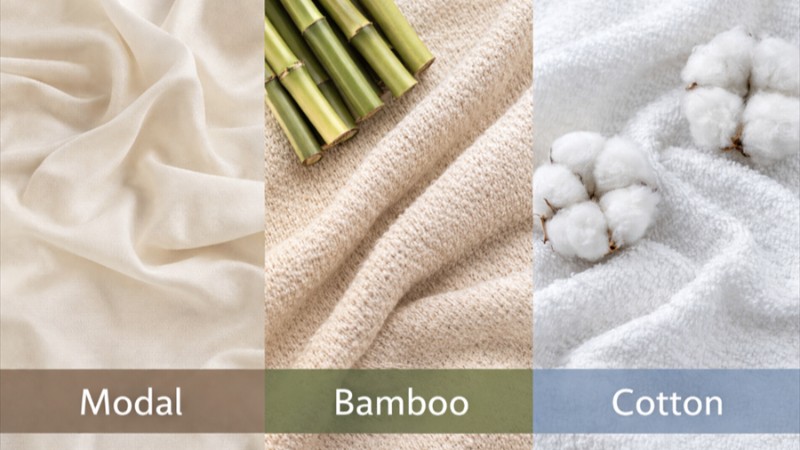
Choosing the right fabric can transform your comfort, from your sheets to your favorite t-shirt. The modal vs bamboo vs cotton debate is common, but each material offers unique benefits. This guide breaks down their key differences in softness, breathability, and sustainability, helping you find your perfect match.
Understanding the Contenders: A Quick Fabric Primer
Before we dive into the comparison, let's establish what each fabric actually is. Knowing their origins helps explain their performance.
What is Cotton? The Classic Natural Fiber
Cotton comes from the fluffy bolls of the cotton plant. It's a natural, breathable staple fiber that has been used for millennia. Its familiarity makes it the benchmark against which other fabrics are often measured.
What is Modal? The Refined Wood Pulp Fiber
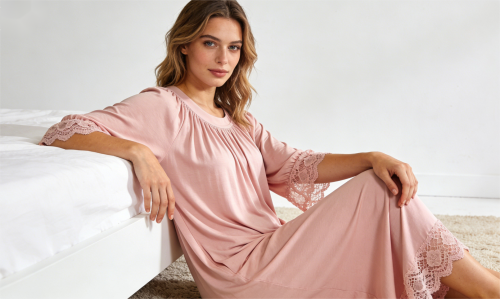
Modal is a type of rayon, a semi-synthetic fabric made from regenerated cellulose. It's typically produced from the pulp of beech trees. The process refines the pulp into a fiber known for its exceptional softness and strength when wet.
What is Bamboo? The Eco-Conscious Alternative
Most "bamboo" fabric in stores is bamboo viscose or rayon. It starts as pulp from the fast-growing bamboo grass. This pulp undergoes a chemical process to create a smooth, silky fiber that's often marketed for its sustainable origins and soft feel.
Head-to-Head: Modal vs. Bamboo vs. Cotton Compared
How do these fabrics stack up where it matters? Let's compare them across the factors that influence your buying decision.
Softness, Drape, and Feel
Modal is renowned for its luxurious, silky-soft feel right out of the package, with a beautiful drape. Bamboo fabric is similarly smooth and often described as having a cashmere-like softness. Cotton's softness varies; basic cotton can be crisp, while high-thread-count or Pima cotton offers a soft, broken-in comfort.
Breathability and Temperature Regulation
All three are breathable, but with nuances. Cotton is highly breathable and absorbs moisture well. Bamboo and modal excel at moisture-wicking, pulling sweat away from the skin to evaporate. For hot sleepers seeking the most breathable fabric, modal, cotton, and bamboo are all excellent, with bamboo often having a slight cooling sensation.
Durability and Care Instructions
Cotton is generally durable and can withstand high heat, but may shrink if not pre-shrunk. Modal is strong, especially when wet, but can stretch or pill over time with aggressive drying. Bamboo viscose is less durable than cotton or modal and requires gentle, cold-water washing and air drying to maintain its integrity.
Environmental and Sustainability Impact
Conventional cotton uses significant water and pesticides, while organic cotton is a better choice. Modal often uses a closed-loop process that recycles water and solvents, reducing waste. Bamboo grows rapidly with little water, but the chemical processing into viscose can offset its green credentials unless done responsibly.
Cost and Value Considerations
Conventional cotton is usually the most affordable. Modal and bamboo fabrics tend to be priced higher, reflecting their manufacturing processes and marketed benefits like superior softness or eco-friendliness. Value depends on prioritizing longevity or specific performance traits.
Best Uses: Matching the Fabric to Your Needs
The best fabric depends entirely on what you're using it for. Here’s how to match them to common applications.
For Bedding and Sheets: Modal vs Cotton Sheets & More
For a cool, silky feel, bamboo or modal sheets are fantastic. If you prefer a classic, crisp, or breathable texture, high-quality cotton like percale is ideal. Consider durability; cotton often withstands frequent washing better than bamboo viscose.
For Everyday Clothing and Activewear
Modal is perfect for soft underwear, t-shirts, and loungewear. Bamboo's moisture-wicking makes it great for lightweight activewear and socks. Cotton remains a versatile champion for everyday wear, from denim to casual tops, due to its breathability and durability.
For Towels and Home Textiles
Cotton is the king of towels for its superior absorbency and texture. Bamboo or modal blends can be found in ultra-soft robes or quick-drying kitchen towels, offering a different sensory experience.
Pros and Cons of Each Fabric: A Quick Summary
Here’s an at-a-glance look at the key advantages and disadvantages of each fabric.
Cotton: Pros: Highly breathable, durable, affordable, natural. Cons: Can shrink, wrinkles easily, conventional farming is resource-heavy.
Modal: Pros: Extremely soft, good moisture-wicking, strong when wet, drapes well. Cons: Can pill, may require special care, often more expensive.
Bamboo Viscose: Pros: Silky soft, naturally cooling, moisture-wicking, fast-growing source. Cons: Less durable, often requires gentle care, processing can involve harsh chemicals.
Making Your Choice: Which Fabric is Best for You?
Your ideal choice in the modal vs bamboo vs cotton decision comes down to your personal priorities. Choose modal for unparalleled softness and drape in loungewear. Opt for bamboo if you want a cooling, silky feel with eco-conscious appeal. Stick with trusted cotton, especially organic, for everyday durability, breathability, and easy care. By weighing softness, climate needs, care routine, and environmental values, you can select the fabric that truly fits your life.
FAQ: Modal vs. Bamboo vs. Cotton
Which is better, modal or bamboo, for sensitive skin?
Both are very soft and often suitable. Modal is exceptionally smooth, while bamboo can have natural antibacterial properties. Look for Oeko-Tex certified fabrics to ensure low chemical residues.
Is bamboo fabric more breathable than cotton?
They are both highly breathable. Bamboo may feel cooler initially due to its moisture-wicking properties, but high-quality cotton is also an excellent breathable choice.
What are the main downsides of modal fabric?
Modal can be prone to pilling over time and may lose shape if not cared for properly. It often requires cooler wash temperatures and should be laid flat to dry.
Is bamboo rayon truly eco-friendly and biodegradable?
The bamboo plant itself is sustainable, but the chemical process to make rayon can involve harsh solvents. Look for brands that use certified closed-loop processes to minimize environmental impact. The final fabric is biodegradable.