Is Modal Fabric Breathable?
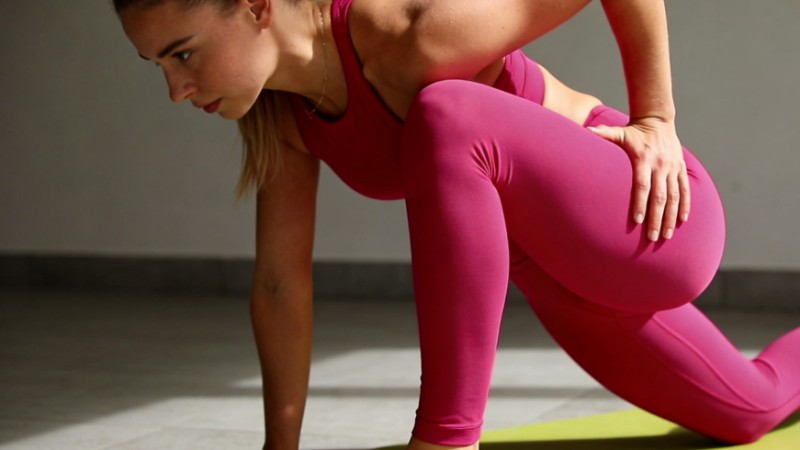
Understanding fabric breathability requires examining fiber structure, moisture management, and air permeability. Modal, a semi-synthetic cellulose fiber derived from beechwood pulp, presents a unique case. Its performance hinges on specific manufacturing processes that influence its final properties for everyday wear.
This analysis evaluates modal fabric breathability through the lens of material science and practical application. We will detail its moisture wicking mechanisms, compare its airflow to natural fibers like cotton, and assess its suitability for warm-weather conditions.
The Science Behind Modal Fabric Breathability
Breathability in textiles is a function of two primary factors: moisture vapor transmission and air permeability. Modal excels in the former due to its inherent fiber characteristics. The fiber's cross-section is smooth and round, creating a surface that readily absorbs and releases moisture.
This hygroscopic nature means modal can absorb up to 50% more moisture than cotton without feeling damp. The moisture is pulled from the skin, distributed across the fabric's surface, and evaporated efficiently. This continuous wicking process is central to its perceived breathability and comfort during activity.
Modal Fabric Moisture Wicking Mechanism
The moisture wicking capability is not a surface treatment but a property of the cellulose itself. Modal fibers have a high degree of polymerization, resulting in a more ordered molecular structure. This structure creates capillary channels that facilitate the rapid movement of water molecules.
In practical terms, this mechanism pulls perspiration away from the skin quickly. The fabric remains drier against the body, which reduces cling and helps regulate skin temperature. This is a key performance differentiator in active and warm environments.
Modal Fabric Breathability vs Cotton
A direct comparison with cotton, the benchmark for natural breathability, clarifies modal's position. Cotton is highly air-permeable and absorbent, but it retains moisture longer. A saturated cotton garment can feel heavy, cold, and slow to dry.
Modal, while similarly air-permeable in comparable weaves, manages absorbed moisture more effectively. It releases moisture into the atmosphere faster due to its smoother fiber surface and greater surface area for evaporation. The result is a fabric that often feels lighter and drier than cotton during sustained wear.
| Property | Modal | Cotton |
|---|---|---|
| Moisture Absorption | High, rapid wicking | High, slower release |
| Dry Feel | Maintains drier hand feel | Can feel damp when saturated |
| Air Permeability | Depends on knit/weave density | Generally high |
| Drying Time | Faster | Slower |
Is Modal Fabric Good for Summer and Hot Weather?
The suitability of modal for summer hinges on fabric construction. In lightweight, open-knit or mesh constructions, modal's moisture-wicking properties are highly effective for hot weather. It efficiently manages perspiration, keeping the skin cooler and more comfortable than less efficient synthetics.
However, in very dense weaves or heavy blends, air permeability can decrease. For optimal performance in heat, seek modal garments with a loose fit and a gauzy, single-jersey, or piqué knit structure. These designs maximize airflow, complementing the fiber's innate wicking ability.
Considerations for High-Heat Use
In extreme humidity, where evaporation is limited, any fabric's cooling effect is reduced. Modal's advantage lies in keeping moisture dispersed rather than pooled against the skin. It is less prone to developing the cold, clammy feel of saturated cotton. For intense activity, blends with a small percentage of synthetic performance fibers can enhance durability and shape retention without significantly compromising breathability.
Selecting Breathable Modal Garments
Not all modal is equal. Breathability is determined at the intersection of fiber, yarn, and fabric construction. To ensure you get a breathable modal fabric, assess these parameters:
Fabric Weight: Lighter weights (measured in GSM) generally offer better airflow.
Knit Structure: Open weaves, jersey, and interlocks are typically more breathable than tight twills.
Blend Composition: 100% modal offers peak wicking. Blends with cotton or Lyocell maintain high breathability, while blends with standard polyester may reduce it.
Finish: Avoid heavy chemical finishes or coatings that can seal the fabric's surface.
Final Assessment on Modal and Airflow
Modal fabric is breathable, with its primary strength being superior moisture management rather than exceptional air permeability. Its performance is structurally inherent, making it a reliable choice for base layers, casual summer wear, and activewear where managing perspiration is a priority.
When evaluating if modal fabric is breathable for a specific use, prioritize garment construction alongside fiber content. A well-designed modal piece leverages its hygroscopic nature to provide consistent, dry comfort, establishing it as a technically proficient option for temperature regulation in diverse conditions.
Common Questions About Modal Breathability
Is modal more breathable than cotton?
It manages moisture more efficiently, often feeling drier. In terms of pure air passage, a similar weave of cotton may be slightly more permeable, but modal's wicking creates a superior overall comfort perception in many scenarios.
Does modal fabric make you sweat less?
No fabric reduces sweat production. Effective fabrics like modal quickly move sweat away from the skin, so you feel drier and cooler, which can minimize the discomfort associated with perspiration.
Is modal good for workout clothes?
Yes, due to its excellent moisture wicking and softness. It is commonly used in blends for yoga wear, leggings, and performance t-shirts where comfort and dryness are valued over extreme durability.
How should I care for modal to maintain breathability?
Wash in cool water and avoid high-heat drying. High heat can damage the fibers, potentially affecting their smooth structure and wicking capabilities over time. Air drying is ideal.