How Is Modal Fabric Made? A Complete History and Production Guide
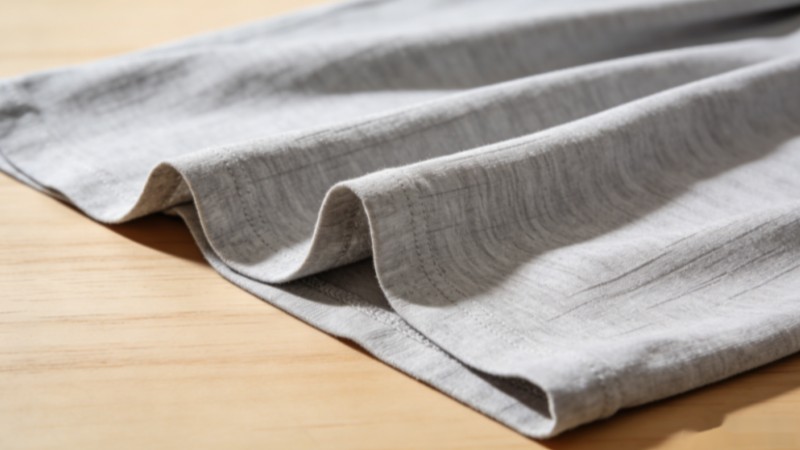
You’ve probably felt modal fabric before—that incredibly soft, breathable material in your favorite t-shirt or bedsheets. But have you ever wondered how is modal fabric made and where it came from? It’s a fascinating story of innovation that bridges natural materials and modern technology. Let’s trace its journey from a lab experiment to a staple of sustainable fashion.
What Is Modal Fabric? Defining the Modern Semi-Synthetic Fiber
Modal is a type of rayon, a semi-synthetic fiber made from plant-based cellulose. It sits in a sweet spot between natural fibers like cotton and fully synthetic ones like polyester. The result is a fabric known for its silky softness, excellent drape, and breathability, often marketed as a more sustainable and durable alternative to standard viscose rayon.
Modal vs. Viscose vs. Lyocell: Understanding the Rayon Family Tree
Think of viscose, modal, and lyocell as siblings. Viscose is the older, original form of rayon. Modal is a stronger, more stable type of rayon, often called "high-wet-modulus" rayon. Lyocell (like TENCEL™) is the newest, made with a different, even more eco-friendly solvent. Modal strikes a balance, offering better strength and softness than viscose with a slightly different production footprint than lyocell.
Key Properties: Why Modal is Prized for Clothing and Textiles
So, what makes modal so special? Its properties explain its popularity:
Exceptional Softness: It gets softer with every wash, often compared to silk or cashmere.
Moisture-Wicking & Breathable: It absorbs moisture better than cotton, keeping you cool and dry.
Color Retention: Dyes bond brilliantly to the fibers, resulting in vibrant, long-lasting colors.
Durable & Resistant to Pilling: It’s stronger than viscose when wet, meaning it holds its shape well and resists that annoying fuzz.
The Invention and History of Modal Fabric
The history of modal fabric is a tale of incremental improvement. It didn’t appear out of thin air but evolved from earlier rayon technology.
Precursors to Modal: The Development of Viscose Rayon
The story starts with viscose rayon, invented in the late 19th century as "artificial silk." It was a revolution, providing a cheaper, versatile alternative to silk. However, early viscose had drawbacks—it was weak, especially when wet, and could shrink or lose its shape easily. Textile scientists spent decades looking for a better version.
Who Invented Modal? The Breakthrough in Post-War Japan
The key innovation came in 1951. Researchers at the Japanese company, Asahi Kasei, developed a new type of rayon fiber. By modifying the spinning process, they created a fiber with much higher strength when wet (high wet modulus). This new fiber was more stable, durable, and had a better feel. This was the birth of what we now call modal.
From Niche to Mainstream: Lenzing AG and the TENCEL™ Modal Brand
While invented in Japan, modal was perfected and popularized by the Austrian company Lenzing AG. In the 1970s, Lenzing began producing its own high-quality modal fiber. They later branded it as TENCEL™ Modal, linking it to sustainable forestry and a closed-loop production process that recovers and reuses solvents. Lenzing’s scale and commitment to eco-friendly practices propelled modal from a niche textile to a globally recognized, sustainable fiber.
What is Modal Derived From? Sourcing the Raw Material
At its heart, modal is a tree-based fabric. The primary answer to "what is modal derived from?" is beechwood. Specifically, it comes from the cellulose pulp of beech trees.
The Beechwood Advantage: Why This Tree is the Ideal Source
Beech trees are the hero of this story. They grow quickly in dense forests across Europe, often regenerating from their own stumps without needing replanting. They typically require no irrigation and minimal pesticides. This makes beechwood a highly renewable and low-impact raw material compared to water-intensive crops like cotton.
Sustainable Forestry: The FSC and PEFC Certifications
Responsible modal production hinges on sustainable forestry. Leading producers source wood from forests certified by organizations like the Forest Stewardship Council (FSC) or the Programme for the Endorsement of Forest Certification (PEFC). These certifications ensure the wood is harvested in a way that maintains biodiversity and forest health for future generations.
How Is Modal Fabric Made? The Modal Production Process
The modal production process transforms wood chips into soft, wearable fiber. While proprietary methods vary, the core steps are consistent.
Harvesting & Chipping: Sustainably harvested beech logs are broken down into small wood chips.
Pulping: The chips are "cooked" in a chemical solution to dissolve the lignin (the glue that holds wood together) and extract pure cellulose, creating a brown wood pulp.
Bleaching & Filtering: The pulp is bleached white and purified to remove impurities.
Making the Solution: The purified cellulose sheets are dissolved in a chemical solvent (like sodium hydroxide), creating a thick, honey-colored liquid called "viscose."
Spinning: This viscose solution is forced through a spinneret—a device with tiny holes—into a sulfuric acid bath. This coagulates the solution, turning it into solid cellulose filaments (long fibers).
Finishing: The fibers are washed, stretched (which increases strength), and sometimes treated with a finishing agent. They are then dried and cut to the desired length, ready to be spun into yarn and woven or knitted into fabric.
Modern, responsible manufacturers like Lenzing use a closed-loop system for their TENCEL™ Modal, recovering and reusing over 99% of the solvent and water used in the process, minimizing environmental impact.
The Future of Modal: Innovations and Sustainability
The evolution of modal isn't over. The focus is on deepening its sustainability. Innovations include exploring raw materials from other certified wood species, agricultural waste, or even pre-consumer cotton waste (Refibra™ technology). The industry is also working on improving biodegradability and developing true circular models where modal garments can be efficiently recycled into new fibers.
Final Weave: Weaving Together Modal's Past, Present, and Future
From a Japanese laboratory breakthrough to a globally trusted fiber, modal’s journey is a testament to smart innovation. Understanding how modal fabric is made reveals a process that thoughtfully transforms renewable wood into a luxurious, high-performance textile. As consumer demand for comfortable and responsible materials grows, modal’s blend of proven benefits and a forward-looking production ethos ensures it will remain a key player in the future of textiles.
FAQs About Modal Fabric
Is modal fabric synthetic or natural?
It's semi-synthetic. It's made from natural cellulose (from wood) but processed with chemicals to create the fiber, placing it between fully natural and fully synthetic.
Is modal production bad for the environment?
It depends on the producer. Conventional modal can have a significant footprint. However, certified modal from leaders like Lenzing uses sustainable wood and closed-loop systems that drastically reduce chemical and water waste, making it a more eco-friendly choice.
What's the difference between modal and cotton?
Modal is softer, more breathable, and absorbs moisture better than cotton. It's also more resistant to shrinking and pilling. Cotton is a natural fiber, while modal is a processed cellulose fiber.
Can modal fabric shrink or pill?
Modal is more dimensionally stable than viscose or cotton, so it resists shrinking. Its long, smooth fibers also make it highly resistant to pilling with proper care (gentle wash, low heat).
Is modal considered a luxury fabric?
Often, yes. Its silk-like feel, vibrant dye quality, and association with sustainable, high-end brands position it as a premium or luxury material, especially in loungewear, underwear, and high-quality basics.