Fleece vs Wool: Choosing Your Insulating Fabric
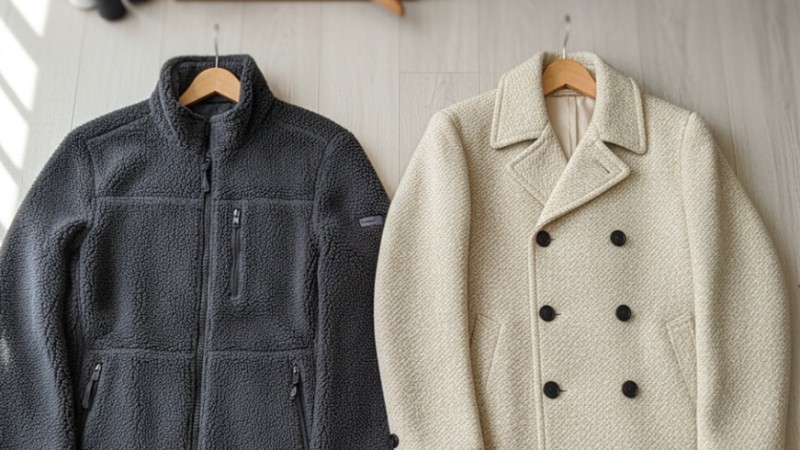
Choosing between fleece and wool for your winter layers isn't just about warmth. It's a decision that affects comfort, performance, and how you handle moisture. Both are champion insulators, but they achieve their goals in fundamentally different ways.
Understanding these differences is key to picking the right material for your next jacket, base layer, or cozy blanket. Let's break down how fleece and wool compare across the factors that matter most.
Material Origins: Synthetic vs. Natural
This core difference drives every other comparison. Wool is a natural protein fiber, most commonly from sheep. It's been used for millennia for its remarkable insulating properties. Fleece, however, is a 100% synthetic fabric, typically made from polyester.
Fleece was invented in the late 1970s as a lightweight, quick-drying alternative to wool. Its creation fundamentally changed outdoor apparel. This synthetic vs. natural origin sets the stage for performance in warmth, weight, and moisture management.
Warmth Comparison: Fleece vs Wool
So, is fleece warmer than wool? The answer is nuanced and depends heavily on conditions.
Fleece excels at trapping warm, dry air in its lofty, brushed piles. In dry, cold conditions, a thick fleece can feel incredibly warm for its weight. However, its warmth is largely dependent on it staying dry.
Wool's magic lies in its inherent structure. Even when wet, wool fibers retain heat because they trap air within the fiber itself. A damp wool sweater will still keep you warmer than a damp fleece. For variable, damp, or windy conditions, wool often provides more reliable warmth.
Moisture Wicking: Fleece vs Wool
This is a critical differentiator. Both materials wick moisture (pull sweat away from your skin), but they handle it differently.
Fleece: Wicks moisture quickly and dries extremely fast. It doesn't absorb much water into its fibers, which is great for high-output activities. However, in very humid conditions, it can feel clammy as moisture sits on the surface.
Wool: Can absorb up to 30% of its weight in moisture without feeling wet. It pulls sweat vapor into the fiber's core, releasing it slowly into the air. This process, called moisture buffering, helps regulate your body temperature and prevents that post-exercise chill.
Key Factors for Your Decision
Beyond basic warmth, consider these practical aspects when choosing between fleece or wool for winter.
Weight and Packability
Fleece is generally lighter and more compressible than a wool garment of similar warmth. This makes it a favorite for backpacking and travel. Wool garments, especially traditional knits, tend to be denser and heavier.
Durability and Care
High-quality wool is incredibly durable and naturally odor-resistant, often requiring fewer washes. It can be prone to shrinking if washed improperly. Fleece is very durable against abrasion and is machine-washable without special care, but it can pill over time and is susceptible to damage from high heat.
Weather and Wind Resistance
Standard fleece is not windproof—a breeze will cut right through it. Windproof fleece variants exist but add weight. Wool, due to its denser, scaled fibers, offers better inherent wind resistance. Neither is fully waterproof without a treatment or outer shell.
Wool Blanket vs Fleece Blanket: A Home Comfort Showdown
The debate extends beyond clothing. For home use, a wool blanket is often the superior choice for sheer warmth, moisture regulation, and fire resistance. Wool blankets are heavy, durable, and provide steady warmth. Fleece blankets are ultra-soft, lightweight, and inexpensive. They provide immediate cozy warmth but can generate static electricity and may not breathe as well during sleep.
Making the Right Choice for You
Your ideal choice depends entirely on your planned use.
Choose Fleece If: You need a lightweight, quick-drying layer for high-intensity activities like running or fast-paced hiking. It's perfect for dry cold, as a mid-layer under a shell, or when easy care and affordability are priorities.
Choose Wool If: You face damp, variable climates or need a layer that performs when wet. It's ideal for all-day wear, low-to-moderate output activities, and when natural odor resistance and temperature regulation are key. It's also the go-to for ultimate comfort in base layers worn next to the skin.
Final Thoughts on Insulation
The fleece vs wool discussion isn't about finding a single winner. It's about matching material properties to your specific needs. Many outdoor enthusiasts use both: a wool base layer for moisture management paired with a fleece mid-layer for lightweight warmth. By understanding their strengths, you can build a versatile kit that keeps you comfortable in any condition.
Common Questions about Fleece and Wool
Is fleece warmer than wool for the same thickness?
In dry, still conditions, a thick fleece can feel warmer for its weight. However, wool provides more reliable warmth when damp, in wind, or over long periods of inactivity, making it often the warmer choice in real-world variable conditions.
Which is better for hiking: fleece or wool?
For high-output hiking in dry weather, a fleece jacket is excellent for its light weight and breathability. For multi-day trips, cooler climates, or as a base layer, merino wool is preferred for its odor resistance and ability to regulate temperature over many hours.
Does wool dry faster than fleece?
No. Fleece, being synthetic, dries significantly faster than wool. Wool retains moisture within its fibers longer but crucially, it still provides insulation while drying.
Can you wear fleece and wool together?
Absolutely. This is a highly effective layering strategy. A merino wool base layer wicks sweat, while a fleece mid-layer provides lightweight, trapped-air insulation. Together, they create a versatile, temperature-regulating system.