Choosing the Best Curtain Fabrics for Performance & Style
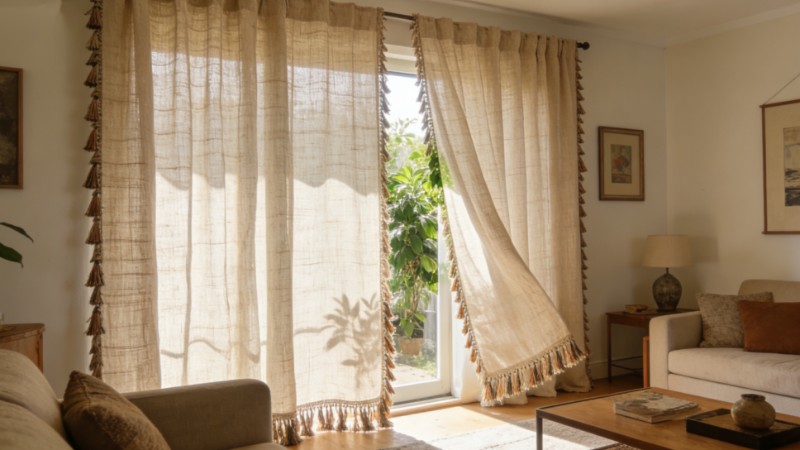
Selecting the right curtain fabrics is a decision that impacts far more than just your room's aesthetic. The material you choose dictates light control, energy efficiency, and how long your window treatments will last. This guide breaks down the performance of every major drapery fabric material to help you make an informed choice.
Why Your Curtain Fabric Choice Matters More Than You Think
It's easy to get lost in color swatches and patterns, but the true value of a curtain lies in its fabric. The right material solves problems, while the wrong one creates them.
Beyond Color and Pattern: The Functional Role of Fabric
A fabric's weight, weave, and fiber content are its DNA. A heavy velvet blocks light and insulates; a sheer linen softly diffuses it. These inherent properties determine a curtain's core function in your space.
The Cost of Choosing the Wrong Drapery Fabric
Common regrets include sun-faded colors in south-facing rooms, curtains that offer no thermal insulation, or delicate materials that can't withstand the steam of a kitchen. The wrong choice leads to premature replacement and frustration.
Decoding Drapery Fabric Materials: A Performance Breakdown
Understanding fiber content is the first step in smart curtain textile selection. Here’s how the most common materials compare.
Natural Fibers: Breathability and Classic Appeal
Linen, cotton, and silk offer timeless texture and excellent breathability. Linen provides a beautiful, relaxed drape but wrinkles easily. Cotton is versatile and often blended for stability. Silk is luxurious but sun-sensitive and typically requires dry cleaning.
Synthetic & Blended Fibers: Durability and Function First
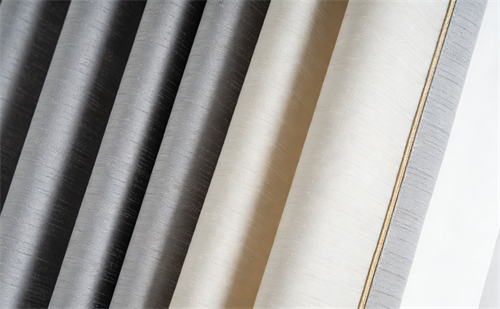
For high-performance and easy care, synthetics lead. Polyester is the workhorse—highly fade-resistant, affordable, and often machine-washable. Acrylic mimics wool's warmth without the weight. Cotton-polyester blends offer the best of both worlds: natural feel with synthetic durability.
Specialty & Lined Fabrics for Enhanced Performance
Some fabrics are engineered for specific tasks. Blackout fabrics have tight weaves and often foam backings to eliminate light. Thermal linings add a layer of insulation. Velvet, due to its dense pile, excels at light blocking and sound dampening.
How to Select the Best Fabric for Your Curtains: A Room-by-Room Guide
Now, let's apply this knowledge. Your room's purpose should guide your curtain fabric choice.
Living Rooms & Dining Rooms: Balancing Light and Elegance
You need versatility. Medium-weight fabrics like linen, cotton blends, or textured weaves offer a graceful drape, filter light beautifully, and maintain a formal yet inviting look. Consider a separate lining for evening privacy.
Bedrooms: Prioritizing Darkness and Serenity
Here, function is paramount. For sleep quality, prioritize true blackout fabrics, heavy cottons, or lined options. The goal is to create a dark, serene environment, making performance the key driver in your drapery fabric materials search.
Kitchens & Bathrooms: Managing Moisture and Light
These spaces demand practicality. Choose easy-care, moisture-resistant synthetics like polyester or acrylic blends. They withstand humidity, resist mildew, and are typically machine-washable—a non-negotiable for busy areas.
Key Performance Factors in Curtain Textile Selection
Look beyond the fiber label. These three attributes fine-tune a fabric's performance.
Understanding Fabric Weight and Drape
Weight determines how a curtain hangs. Lightweights (voile, sheer) float airily. Medium weights (linen, cotton) offer a structured fold. Heavyweights (velvet, brocade) have a formal, opulent drop and better functional properties.
Weave, Opacity, and Light Control
The weave pattern controls light and privacy. A tight sateen or twill weave offers more opacity than a loose, open weave. For total darkness, you need a tightly woven fabric, often with a coating or backing.
Care and Maintenance Considerations
Always check care labels. Machine-washable cottons and polyesters simplify life. Dry-clean-only silks and some linens add long-term cost. For high-traffic areas, prioritize fabrics that clean easily without losing shape or color.
Final Recommendations for Choosing Your Drapery Fabrics
Start with your room's primary need: Is it darkness, durability, or diffuse light? Match that need to a fiber family—synthetics for sunrooms and kitchens, naturals for formal living spaces, specialties for bedrooms. Then, refine by weight and weave. This logical approach ensures your chosen curtain fabrics deliver both beauty and performance for years.
FAQ: Curtain Fabrics & Drapery Materials
What is the most durable fabric for curtains?
Polyester is often the most durable. It strongly resists fading from sunlight, holds its shape well, and is usually machine-washable, making it ideal for high-use areas.
Which curtain fabrics are best for blocking out light?
True blackout fabrics (often polyester-based with a coating) are best. Velvet and other very heavy, densely woven materials are also excellent for light control.
Are linen curtains good for a living room?
Yes, linen is a classic choice for living rooms. It provides a beautiful, textured look and soft light filtration. For more privacy or insulation, consider a lined linen curtain.
What is the easiest curtain fabric to clean and maintain?
Machine-washable synthetic fabrics like polyester or acrylic blends are the easiest. Always check the manufacturer's care label before cleaning any curtain.
What's the difference between curtain and drapery fabric?
The terms are often used interchangeably. Technically, "drapery" fabric may refer to heavier, more formal, often lined materials, while "curtain" fabric can be lighter. The key is to focus on the material's weight and performance for your needs.