Durable Upholstery Fabrics: Best Materials for Long-Term Use
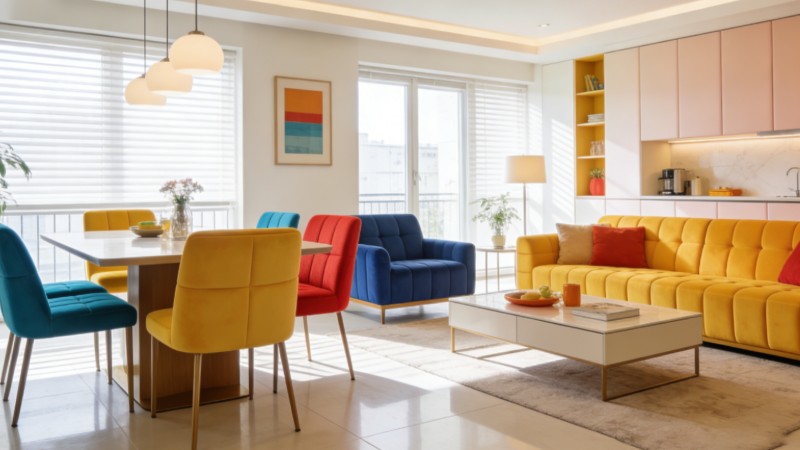
Choosing the right upholstery fabrics is a critical decision that determines the lifespan, appearance, and maintenance requirements of your furniture. The ideal material balances structural resilience with aesthetic appeal, ensuring your investment endures daily use. This guide examines the most durable fabrics, from natural fibers to engineered synthetics, providing a technical framework for informed selection.
Why Fabric Choice is Critical for Long-Lasting Upholstery
Upholstery fabric functions as the primary wear layer, resisting abrasion, stains, and fading. A poor selection leads to premature degradation, compromising both function and form. The key factors are abrasion resistance, cleanability, and colorfastness, which must be evaluated against the intended use environment.
Understanding the "Double Rub" Test and Fabric Durability Ratings
The Wyzenbeek or Martindale test measures abrasion resistance by counting "double rubs" until fabric failure. Residential fabrics should exceed 15,000 double rubs (heavy use), while contract-grade textiles often surpass 100,000. This metric provides a standardized, objective basis for comparing fabric durability.
Balancing Durability with Comfort and Aesthetic Appeal
High durability does not necessitate a compromise on comfort. Modern textile engineering allows for durable furniture fabrics that are also soft and visually sophisticated. The selection process involves cross-referencing technical specifications with tactile and visual requirements.
Top-Performing Natural Fiber Upholstery Fabrics
Natural fibers offer breathability and classic aesthetics but vary in inherent strength. Their performance is often enhanced through blending or specific weave techniques.
Linen & Cotton Blends: Classic Comfort with Reinforced Strength
Pure linen or cotton can wrinkle and wear quickly. Blending them with synthetic fibers like polyester increases tensile strength and reduces pilling. These blends are among the best upholstery fabric materials for achieving a natural look with improved durability for everyday use.
Genuine Leather: The Timeless, Long-Wearing Investment
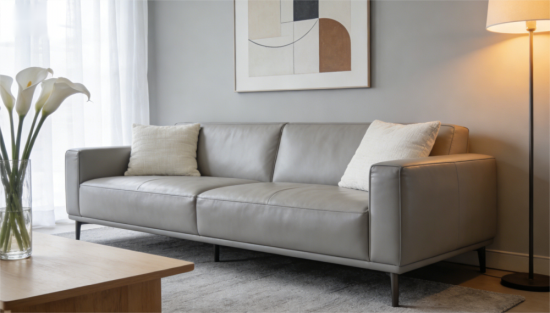
Full-grain and top-grain leather develop a protective patina over time, enhancing their character. Their durability stems from a dense fiber structure resistant to punctures and abrasion. While requiring specific conditioning, high-quality leather can last decades, representing a high long-term value.
Most Durable Synthetic & Blended Upholstery Fabrics
Engineered for performance, synthetic fibers provide superior resilience against specific stressors like UV radiation, moisture, and stains, making them ideal for demanding settings.
Solution-Dyed Acrylic & Olefin: Champions of Fade and Stain Resistance
In solution-dyed fibers, pigment is integrated before extrusion, resulting in exceptional colorfastness. Acrylic mimics wool's feel with superior UV resistance, while olefin is hydrophobic, resisting stains and mildew. These are premier choices for sunrooms or outdoor applications.
Performance Blends (Polyester, Nylon, Rayon): Engineered for Active Households
Modern blends combine fiber strengths: polyester for wrinkle and fade resistance, nylon for exceptional abrasion resistance, and rayon for luster and dye affinity. These engineered upholstery textile fibers create fabrics that are tough, easy to clean, and stylistically versatile.
Specialized High-Traffic and Contract-Grade Upholstery Textiles
For commercial spaces or extreme residential use, specialized fabrics exceed standard residential durability benchmarks through advanced treatments and constructions.
Crypton, Sunbrella, and Other Performance Fabric Technologies
These branded technologies employ proprietary treatments. Crypton fabrics typically feature a moisture barrier, antimicrobial protection, and high stain resistance. Sunbrella fabrics use solution-dyed acrylic for unparalleled fade resistance and cleanability. They represent the pinnacle of engineered fabric performance.
The Strength of Woven Textiles: Jacquard, Tapestry, and Canvas
Durability is inherently linked to weave density. Tight, complex weaves like jacquard or tapestry create a thicker, more resilient fabric face. Heavyweight canvas, often made from cotton or synthetic blends, uses a simple, tight plain weave for maximum strength, ideal for high-use furniture.
How to Choose the Right Durable Fabric for Your Space and Lifestyle
Selection is a systematic process of matching fabric properties to environmental and user-specific variables.
Fabric Selection Checklist: Pets, Children, Sunlight, and Usage
Use this matrix to guide your decision:
| Household Challenge | Recommended Fabric Properties |
|---|---|
| Pets (Claws, Shedding) | High double-rub rating (>30,000), tight weave (e.g., canvas, microfiber), stain-resistant treatment. |
| Young Children | High stain resistance, easy cleanability (performance fabrics, olefin), dark or patterned colors. |
| Direct Sunlight | Solution-dyed fibers (acrylic, olefin), high UV resistance rating. |
| Daily Heavy Use (e.g., Main Sofa) | Contract-grade fabric (>100,000 double rubs), performance blend or treated textile. |
The True Cost of Durability: Initial Investment vs. Long-Term Value
High-performance upholstery fabrics command a higher initial cost. This premium should be evaluated against the total cost of ownership, including extended service life, reduced cleaning costs, and avoidance of premature replacement. It is a strategic investment in asset longevity.
Caring for Your Upholstery to Maximize Its Lifespan
Proper maintenance is essential for any durable fabric to achieve its rated performance lifespan.
Routine Cleaning Protocols for Different Fabric Types
Adhere to manufacturer codes (W, S, WS, X). For most synthetics and performance fabrics, vacuum regularly and clean spills immediately with a mild detergent. For natural fibers like linen or cotton, use gentler cleaning methods to prevent shrinkage or fiber damage. Leather requires specific conditioners to maintain its hide.
Professional Cleaning and When to Seek It
Engage professional cleaners for set-in stains, overall soiling that routine methods cannot address, or for delicate and expensive fabrics like silk or velvet. Professional cleaning can restore fabric appearance and preserve its protective treatments.
Final Recommendations for Selecting Long-Lasting Upholstery Fabrics
The most durable choice aligns technical specifications with contextual demands. Begin by quantifying the abrasion and stain resistance needed for your space. Prioritize solution-dyed synthetics or performance blends for high-stress environments, and consider contract-grade materials for primary furniture. Remember that proper specification of upholstery fabrics, followed by consistent care, is the most effective strategy for ensuring decades of service. This approach transforms fabric selection from a decorative choice into a calculated decision for long-term value.
FAQ: Upholstery Fabrics and Durability
What is the most durable upholstery fabric for a household with pets?
Tightly woven performance fabrics like microfiber or solution-dyed olefin, and treated contract-grade textiles offer the best resistance to claws, stains, and shedding.
Is leather or a performance fabric more durable for a family sofa?
Both are excellent. High-quality top-grain leather resists punctures and ages well. Performance fabrics offer superior stain and scratch resistance. The choice depends on maintenance preference and aesthetic.
How many "double rubs" should a good upholstery fabric have?
For residential furniture, aim for a minimum of 15,000 double rubs (heavy residential use). For a primary sofa or chair, 30,000+ is advisable. Contract furniture starts at 100,000.
Can durable upholstery fabrics still be soft and comfortable?
Yes. Modern weaving and finishing technologies allow for high-durability fabrics with soft hands. Many performance blends and high-thread-count microfibers are specifically engineered for comfort.
What's the difference between indoor and outdoor upholstery fabric durability?
Outdoor fabrics are engineered for environmental stressors: high UV resistance (solution-dyed), mildew resistance, and rapid drying. They often exceed indoor fabrics in fade and weather resistance but may have a different tactile quality.