Choosing the Best Performance Fabrics for Your Activewear
The wrong workout gear quietly sabotages your performance. Fabric choice directly impacts how you move, how you feel, and how quickly you recover. This guide cuts through the marketing hype to match real performance fabrics with your actual training demands.
Why Your Activewear Fabric Choice Matters More Than You Think
The material of your athletic wear directly influences your experience. Superior performance fabrics manage sweat, regulate body temperature, and move with you, turning a good session into a great one.
The Core Performance Properties of Athletic Clothing Materials
When evaluating activewear, look for these key characteristics:
Moisture-Wicking: Pulls sweat away from your skin to the fabric's surface to evaporate.
Breathability: Allows air to circulate, preventing overheating.
Stretch & Recovery: Provides freedom of movement and returns to its original shape.
Durability: Withstands repeated wear, washing, and abrasion.
Odor Resistance: Inhibits the growth of bacteria that cause smells.
Common Fabric Mistakes and How to Avoid Them
The biggest error is choosing cotton for intense exercise. It absorbs sweat but holds it, leaving you feeling heavy, cold, and chafed. Another misstep is prioritizing aesthetics over function—a cute top that doesn't breathe will hinder your workout.
Decoding Performance Textile Fibers: A Breakdown of Common Materials
Understanding the base fibers is the first step to choosing the best fabric for activewear. They fall into two main categories: synthetic and natural.
Synthetic Powerhouses: Polyester, Nylon, and Elastane
These fibers form the backbone of modern technical activewear.
Polyester: The champion of moisture-wicking, quick-drying, and durability. It's affordable and versatile.
Nylon: Softer and more abrasion-resistant than polyester, often used in blends for leggings and outer layers.
Elastane (Spandex/Lycra): Added in small percentages (5-20%) to provide essential stretch and recovery.
Natural & Innovative Options: Merino Wool, Tencel™, and Recycled Polyester
For those seeking alternatives, these materials offer unique benefits.
Merino Wool: Naturally regulates temperature, resists odors, and wicks moisture, making it ideal for endurance activities.
Tencel™ (Lyocell): A plant-based fiber from wood pulp. It's incredibly soft, breathable, and has high moisture absorption.
Recycled Polyester/Nylon: Offers the same performance as virgin synthetics but is made from post-consumer plastic, reducing environmental impact.
Matching the Best Fabric for Activewear to Your Specific Activity
The perfect athletic clothing materials depend on what you're doing. Here’s how to match fabric to function.
High-Intensity & Sweat-Heavy (e.g., Running, HIIT, Spin)
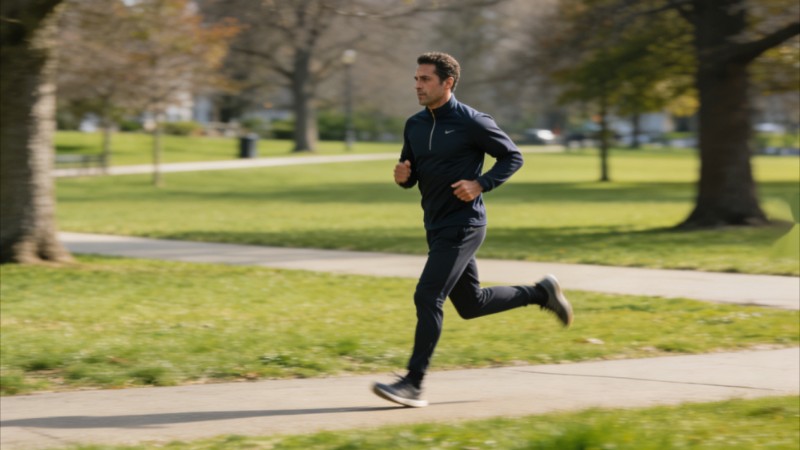
Prioritize ultra-lightweight, sweat-wicking fabrics. Look for tight-knit, smooth polyester or nylon blends with mesh panels for ventilation. The goal is to move sweat away from your body as fast as possible to keep you dry and cool.
Strength & Flexibility Focused (e.g., Yoga, Pilates, Weightlifting)
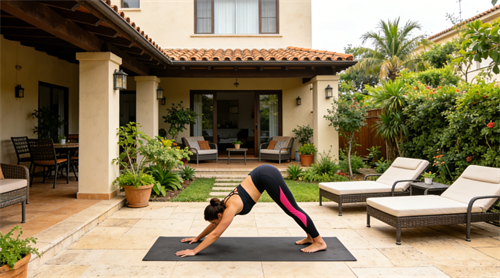
You need four-way stretch and great recovery. Nylon-spandex blends are a top choice, offering buttery-soft comfort, opacity, and the ability to hold you in place during complex poses or lifts without restricting movement.
Endurance & Variable Conditions (e.g., Hiking, Trail Running, Outdoor Training)
Versatility is key. Consider merino wool blends for their innate temperature regulation and odor resistance. Brushed polyester (fleece) is excellent for insulation in cooler layers. Look for fabrics that handle moisture well and adapt to changing temperatures.
Advanced Fabric Technologies and What Those Labels Really Mean
Beyond the base fiber, special treatments and weaves enhance performance. Don't let the jargon confuse you.
Understanding Moisture-Wicking, Compression, and Anti-Odor Treatments
Moisture-wicking is often achieved through specific yarn textures or chemical treatments. Compression fabrics use strong, elasticated weaves to support muscles. Anti-odor tech might involve embedding silver ions or other antimicrobial agents into the fiber to inhibit bacterial growth.
The Rise of Sustainable Performance Fabrics
The industry is innovating with eco-conscious materials. Recycled performance fabrics from plastic bottles are now common. Plant-based fibers like Tencel™ and even algae-based foams are entering the market, offering performance with a lower environmental footprint.
Caring for Your Performance Fabrics to Ensure Longevity
Proper care protects the technical properties of your investment. Treat your activewear fabrics well, and they'll perform for years.
Washing and Drying Best Practices
Wash in cold water on a gentle cycle.
Use a mild, liquid detergent. Avoid powders that can leave residue.
Turn garments inside out to protect outer finishes.
Air dry flat whenever possible, or use a low-heat tumble dry.
What to Avoid to Prevent Damage
Fabric softener: It coats fibers, clogging their moisture-wicking abilities.
Bleach & harsh stain removers: They break down elastic fibers (spandex) and degrade fabric.
High-heat drying: Melts elastic fibers, ruining stretch and fit.
Making Your Final Choice: A Quick-Reference Fabric Selection Checklist
Before you buy, ask yourself these questions to find your ideal performance fabrics:
What is my primary activity? (High-sweat, flexibility, endurance?)
How important is moisture management to me?
Do I need superior stretch and recovery?
Am I training in variable temperatures?
Is sustainability a priority in my purchase?
By focusing on the fabric first, you invest in gear that supports your goals. The right activewear fabrics elevate your comfort, boost your confidence, and help you get the most out of every rep, mile, or pose.
FAQs About Activewear Fabrics
Is cotton a good fabric for activewear?
For low-intensity activities like walking or stretching, it's fine. For any workout where you sweat, avoid it. Cotton absorbs and holds moisture, leading to discomfort, chafing, and cooling.
What is the most durable fabric for gym wear?
Nylon and polyester are highly durable. Nylon is particularly resistant to abrasion, making it excellent for leggings that might rub against gym equipment.
What’s the difference between moisture-wicking and breathable fabric?
Moisture-wicking pulls sweat *through* the fabric to evaporate. Breathability allows air to pass *through* the fabric. A great performance fabric does both: moving sweat away and letting air in to cool you.
How can I tell if activewear is made from quality performance fabrics?
Check the label for fiber content (e.g., polyester, nylon, spandex blends). Feel the fabric—it should be smooth, dense, and have good stretch recovery. Read reviews focusing on durability, pilling, and whether the technical features last after washing.