Cotton vs Polyester: Key Differences for Apparel and Home Textiles

Cotton vs polyester is one of the most common material comparisons in the textile industry. Designers, sourcing managers, and end consumers often need to decide between these two fibers for apparel and home textiles, but the right choice depends on performance, cost, and end-use requirements. This article provides a clear, side-by-side comparison to help you choose the most suitable fabric for your application.
What Is the Difference Between Cotton and Polyester?
At a fundamental level, cotton and polyester differ in origin and structure.
• Cotton is a natural fiber derived from the cotton plant.
• Polyester is a synthetic fiber made from petrochemical-based polymers.
These differences directly affect comfort, durability, maintenance, and cost.
Cotton Fabric Properties Explained

Cotton is widely valued for comfort and skin-friendliness, especially in apparel and household textiles.
Key Characteristics of Cotton
• Breathability: Natural air permeability allows heat and moisture to escape
• Soft hand feel: Comfortable against the skin, suitable for sensitive users
• Moisture absorption: Absorbs sweat well but dries slowly
• Heat tolerance: Can withstand high ironing temperatures
Limitations of Cotton
• Wrinkles easily
• Lower abrasion resistance than synthetic fibers
• Prone to shrinkage if not properly finished
For detailed definitions of terms like breathability and moisture absorption, a fabric properties glossary can provide helpful technical context.
Polyester Fabric Pros and Cons
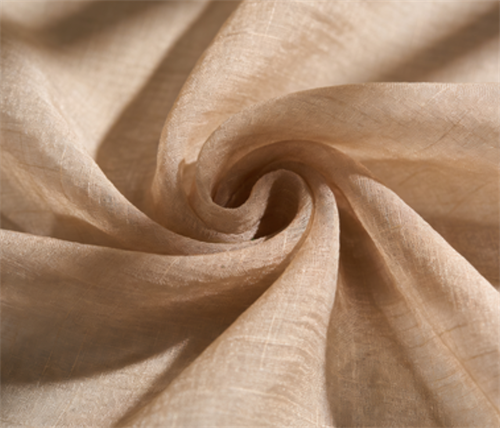
Polyester is engineered for performance and efficiency, making it a dominant fiber in modern textiles.
Advantages of Polyester
• High durability: Strong resistance to abrasion and tearing
• Shape retention: Resists wrinkles and sagging
• Quick drying: Low moisture absorption
• Cost efficiency: Typically lower raw material and processing cost
Disadvantages of Polyester
• Lower breathability compared to cotton
• Can feel less comfortable in hot, humid environments
• May retain odors without proper finishing
Modern textile technology can improve polyester comfort through fiber modification and fabric construction, especially in apparel applications.
Cotton vs Polyester: Side-by-Side Comparison
Property | Cotton | Polyester |
Fiber type | Natural cellulose | Synthetic polymer |
Breathability | High | Moderate to low |
Moisture behavior | Absorbs moisture | Wicks and dries quickly |
Durability | Moderate | High |
Wrinkle resistance | Low | High |
Heat resistance | High | Moderate |
Cost | Medium to high | Low to medium |
Typical feel | Soft, natural | Smooth, sometimes slick |
Breathability and Comfort in Apparel
When comparing cotton vs polyester for clothing, breathability is often the deciding factor.
• Cotton is preferred for T-shirts, underwear, and summer wear due to airflow and comfort.
• Polyester is common in sportswear and uniforms, where moisture management and durability are priorities.
Blended fabrics are frequently used to balance comfort and performance.
Durability and Maintenance for Home Textiles
In home textile applications such as bedding, curtains, and upholstery, durability and care requirements matter more.
• Cotton offers a natural look and feel but may wrinkle and wear faster.
• Polyester provides longer lifespan, colorfastness, and easy care, making it suitable for hospitality and high-use environments.
Cost Considerations: Cotton vs Polyester
Cost differences go beyond raw fiber pricing.
• Cotton prices fluctuate due to agriculture and climate conditions.
• Polyester benefits from stable industrial production and lower wastage.
For large-scale production or cost-sensitive markets, polyester or cotton-polyester blends are often preferred.
Best Uses: When to Choose Cotton or Polyester
Choose Cotton When:
✅ Skin comfort and breathability are top priorities
✅ The product targets premium or natural-fiber markets
✅ Heat resistance and softness are required
Choose Polyester When:
✅ Durability and wrinkle resistance are critical
✅ Easy maintenance and quick drying are needed
✅ Cost control and consistency are important
Material selection guides provided by experienced textile suppliers can help match fiber choice with specific apparel or home textile requirements.
Conclusion: Which Is Better—Cotton or Polyester?
There is no universal winner in the cotton vs polyester debate. Cotton excels in comfort and breathability, while polyester offers durability, easy care, and cost efficiency. The optimal choice depends on the intended application, performance expectations, and budget constraints.
Understanding cotton fabric properties and polyester fabric pros and cons allows textile professionals to make informed, purpose-driven material decisions for both apparel and home textiles.