Types of Textile Fabrics: Classification by Material, Construction, and Use
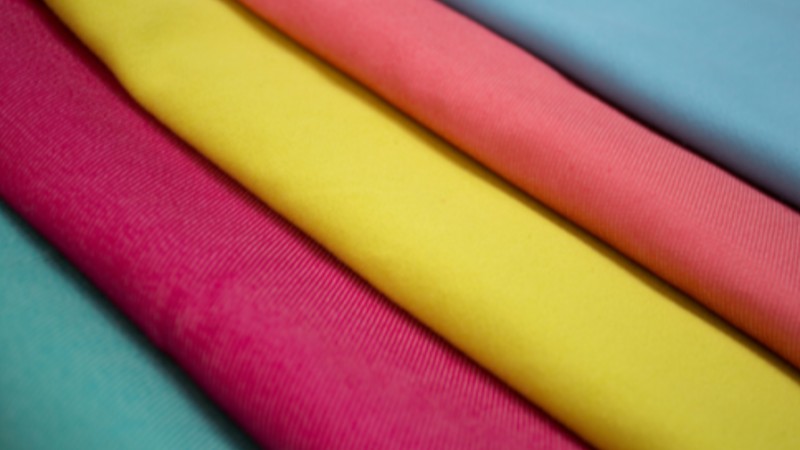

In textile development and sourcing, most fabric problems don’t come from poor quality—they come from choosing the wrong type of fabric at the very beginning. Understanding the different types of textile fabrics—and how they are classified by material, construction, and structure—is what prevents those problems downstream.
Instead of listing fabric names, this guide covers the main types of textiles, how they are classified, and the practical advantages and limitations of each—helping teams choose and specify fabrics with confidence.
How Are Textile Fabrics Classified?
Types of textile fabrics are commonly classified using four core factors that determine how a fabric looks, performs, and behaves in real-world use:
1.Fiber / material – what the fabric is made from, such as cotton, polyester, wool, or blends
2.Fabric construction – how the fabric is built, including woven, knitted, or nonwoven structures
3.Weave or knit structure – how yarns are interlaced or looped, which affects drape, strength, and surface appearance
4.Fabric finishing – post-production processes that modify performance, such as pre-shrinking, coating, or surface treatments
Once these layers are separated, the different types of textile materials become much easier to compare and apply.
Types of Textile Fabrics by Fiber and Material
Fiber content is usually the starting point when discussing textile materials, because it strongly influences comfort, durability, cost, and care requirements.
Natural Fiber Fabrics
Natural textile fabrics are derived from plant or animal sources and are widely used across apparel and home textiles.
Common examples include:
• Cotton fabric
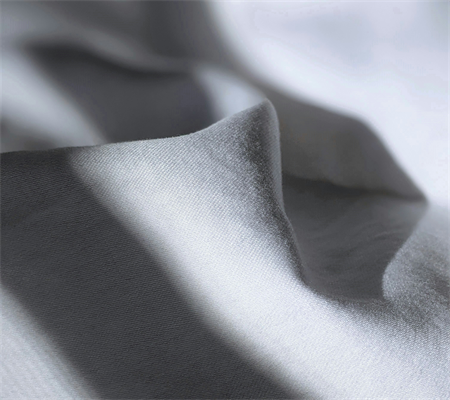
Cotton is one of the most widely used natural textile fabrics, valued for its balance of comfort, versatility, and large-scale manufacturability. Its fiber structure allows air circulation and moisture absorption, which is why cotton performs well across both woven and knitted constructions in everyday apparel and home textiles.
Advantages
✔️ Good breathability and moisture absorption
✔️ Easy to dye, print, and finish
✔️ Suitable for a wide range of fabric weights and constructions
✔️ Scalable and widely available across global supply chains
Limitations
✖️ Prone to shrinkage if not properly pre-treated
✖️ Wrinkles easily compared to synthetic fibers
✖️ Fabric performance varies significantly by yarn quality and processing
• Linen Fabric
Linen is produced from flax fibers and is known for its strength, moisture management, and distinctive crisp hand feel. The longer, stiffer fiber structure gives linen fabrics their characteristic texture and makes them especially suitable for warm-weather use.
Advantages
✔️ High tensile strength and durability
✔️ Excellent moisture absorption and quick drying
✔️ Naturally cool and breathable in hot climates
Limitations
✖️ Low elasticity, leading to visible wrinkling
✖️ Less forgiving in garment construction
✖️ Often requires careful finishing or blending to improve wearability
• Wool Fabric
Wool is a protein-based fiber with a natural crimp, which creates air pockets within the fabric. This structure gives wool its insulation, elasticity, and ability to regulate temperature across different environments.
Advantages
✔️ Excellent thermal regulation and insulation
✔️ Natural elasticity and shape recovery
✔️ Good resilience for long-term wear applications
Limitations
✖️ Sensitive to improper washing and agitation
✖️ Potential for felting, shrinkage, or pilling
✖️ Requires controlled processing and finishing in production
• Silk Fabric
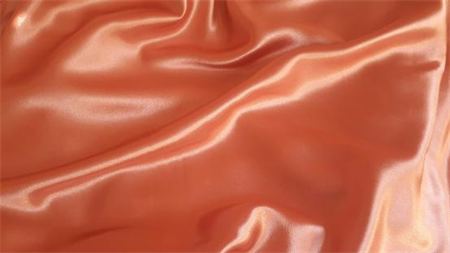
Silk is a continuous filament fiber known for its smooth surface, natural luster, and fluid drape. Because silk filaments are long and fine, silk fabrics achieve a refined appearance that is difficult to replicate with staple fibers.
Advantages
✔️ Smooth hand feel and high natural sheen
✔️ Lightweight with excellent drape
✔️ Strong visual appeal for premium applications
Limitations
✖️ Lower abrasion resistance compared to other fibers
✖️ Sensitive to sunlight and harsh chemicals
✖️ Limited suitability for high-stress or heavy-use products
Natural fibers are often chosen for comfort and familiarity, but they also require careful handling in areas such as shrinkage, creasing, and consistency.
Synthetic Fiber Fabrics
Synthetic textile fabrics are engineered fibers designed for performance and scale.
Typical examples include:
• Polyester Fabric
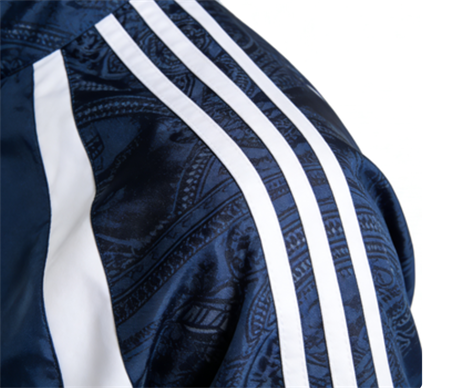
Polyester is one of the most widely used synthetic textile fabrics in global manufacturing due to its dimensional stability, durability, and cost efficiency. As a man-made fiber, polyester maintains consistent performance across large production runs and works well in both woven and knitted fabric constructions.
Advantages
✔️ High dimensional stability with low shrinkage
✔️ Strong resistance to wrinkles and deformation
✔️ Good color retention and print compatibility
✔️ Cost-efficient and widely available at industrial scale
Limitations
✖️ Lower breathability compared to most natural fibers
✖️ Can retain heat and feel less comfortable in hot conditions
✖️ Prone to static buildup without proper finishing
Nylon Fabric
Nylon is a high-performance synthetic fiber known for its exceptional strength and abrasion resistance. Its molecular structure gives nylon fabrics superior durability, making them suitable for applications where mechanical stress and repeated use are expected.
Advantages
✔️ Very high tensile strength and abrasion resistance
✔️ Lightweight with good elasticity
✔️ Excellent durability for activewear and technical applications
Limitations
✖️ Sensitive to high heat during processing and use
✖️ Can yellow or degrade with prolonged UV exposure
✖️ Higher cost compared to standard polyester fabrics
Acrylic Fabric
Acrylic is a lightweight synthetic fiber often used as a wool alternative. Its fiber structure allows acrylic fabrics to trap air, providing warmth without the weight typically associated with natural wool.
Advantages
✔️ Lightweight with good thermal insulation
✔️ Soft, wool-like hand feel
✔️ Resistant to moths and mildew
Limitations
✖️ Lower abrasion resistance than wool or nylon
✖️ Can pill easily under friction
✖️ Limited suitability for high-temperature processing
Synthetic fibers are common in industrial, sportswear, and large-volume production environments where consistency, durability, and price stability matter more than natural feel.
Regenerated and Blended Fabrics
Regenerated fibers, such as viscose (rayon), are made from natural cellulose that is chemically processed. They offer softness and breathability similar to natural fibers but with improved uniformity.
Advantages
✔️ Soft hand feel and good moisture absorption
✔️ Suitable for flowing and lightweight fabrics
Limitations
✖️ Reduced strength when wet
✖️ Prone to wrinkling without finishing
Blended textile fabrics combine fibers—such as cotton-polyester or wool-nylon—to balance comfort, durability, cost, and care performance. In commercial production, blending is often a strategic choice rather than a compromise.
Types of Textile Fabrics by Construction Method
Fabric construction determines how a textile behaves under stress, stretch, and repeated use. This layer is often overlooked, yet it is critical for performance.
Woven Fabrics
Woven textile fabrics are created by interlacing warp and weft yarns at right angles.
Key characteristics:
• High dimensional stability
• Structured appearance
• Common in shirts, trousers, denim, and home textiles
Woven fabrics generally hold shape well but offer limited stretch unless elastic fibers are added.
Knitted Fabrics
Knitted textile fabrics are formed by looping yarns together.
Key characteristics:
• Natural stretch and recovery
• Soft hand feel
• Common in T-shirts, activewear, and undergarments
Knit fabrics adapt well to movement, which is why they dominate comfort-focused and performance apparel.
Nonwoven Fabrics
Nonwoven textile materials are bonded mechanically, chemically, or thermally rather than woven or knitted.
Typical uses include:
• Medical textiles
• Filtration materials
• Disposable and industrial applications
Nonwovens are rarely used for conventional clothing but are essential in technical textile sectors.
Weave Structures That Affect Fabric Performance
Within woven fabrics, weave structure plays a major role in appearance and durability.
Plain Weave Fabrics
Plain weave fabric uses a simple over-under pattern.
• Strong and balanced
• Easy to produce
• Common in poplin, muslin, and basic shirting
Twill Weave Fabrics
Twill weave fabric features diagonal ribs created by offset yarn interlacing.
• Better drape and durability
• Less visible wear
• Widely used in denim fabric and workwear
Satin Weave Fabrics
Satin weave fabric maximizes surface yarn exposure.
• Smooth and lustrous
• Drapes well
• More prone to snagging
Weave selection often determines how a fabric looks and ages in use, even when fiber content is identical.
Fabric Weight (GSM) and Why It Matters
Fabric weight, commonly measured in GSM (grams per square meter), directly affects comfort, structure, and durability.
Typical GSM ranges include:
• 120–160 GSM – lightweight fabrics for shirts and summer garments
• 160–220 GSM – standard range for T-shirts and casual knits
• 240–320 GSM – sweatshirts, hoodies, and heavier knits
• 350+ GSM – outerwear, upholstery, and heavy-duty applications
Understanding GSM helps align fabric choice with seasonal use, cost targets, and performance expectations.
How to Choose the Right Type of Textile Fabric
Choosing among different types of textile fabrics should always start with application needs, not trends or appearance alone. The same fabric can perform very differently depending on how and where it is used.
When evaluating fabric options, several practical factors should be considered together:
• End use – fashion, workwear, home textiles, or industrial
• Performance requirements – stretch, breathability, durability
• Production scale – sampling, small batches, or mass production
• Cost and lead time – material price, availability, and consistency
For example, a lightweight knit may work well for casual apparel, while a tightly woven twill is often more suitable for structured garments or uniforms that require durability and shape retention.
To make this selection process easier, the table below summarizes common fabric choices by end use, highlighting recommended fibers, constructions, typical GSM ranges, and key considerations.
End Use | Recommended Fiber | Construction | Typical GSM | Watch-outs |
T-shirts | Cotton / Cotton-Poly | Knit | 160–220 | Shrinkage, pilling |
Activewear | Polyester / Nylon blends | Knit | 180–240 | Breathability |
Workwear | Polyester / Cotton blends | Woven | 220–300 | Abrasion |
Shirting | Cotton / Linen | Woven | 120–160 | Wrinkling |
Outerwear | Wool / Synthetics | Woven | 300+ | Weight, care |
FAQ: Common Questions About Types of Textile Fabrics
Q1: What are the main types of textile fabrics?
They are commonly classified by fiber material, fabric construction, weave or knit structure, and finishing.
Q2: What is the difference between textile and fabric?
Textile is a broader term covering fibers, yarns, and fabrics, while fabric refers specifically to the finished material.
Q3: Which fabric construction is best for stretch?
Knitted fabrics naturally provide more stretch than woven fabrics.
Q4: What GSM is best for T-shirts?
Most T-shirts fall between 160 and 220 GSM, depending on desired weight and drape.
Q5: How should I describe fabric specifications to a supplier?
Include fiber content, construction type, weave or knit structure, and GSM for clear communication.
Final Thoughts
Understanding the types of textile fabrics is not about memorizing fabric names. It’s about knowing how materials, construction, and structure work together to create real performance.
By using a clear classification framework, you can select fabrics more confidently, avoid costly misunderstandings, and make better decisions across design, sourcing, and production.
ColorToFabric is a knowledge hub for the textile industry, covering textiles from raw materials to finished products. Welcome to explore more textile and fabric insights on our website.