Is Corduroy Fabric Durable and Suitable for Long Term Use
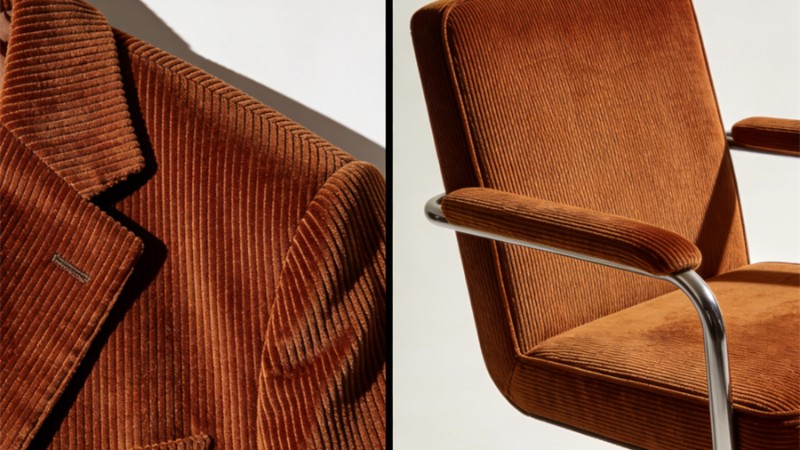
You’ve found a great corduroy jacket or a pair of pants you love, but a question pops up: will it last? Understanding corduroy durability is key to knowing if your investment will stand the test of time. Let’s look past the texture and see what this fabric is really made of.
At its core, corduroy is a sturdy cotton fabric with a distinct ridged pattern called a "wale." Its strength comes from a specific weaving technique that creates those soft cords. But how does that translate to everyday wear and tear?
What Makes Corduroy Strong?
Corduroy's strength starts with its construction. The cords, or wales, are created by an extra set of yarns that are woven to form raised lines. These yarns are then cut to create the soft pile. This dense, piled structure gives the fabric a few advantages:
Inherent Thickness: The piled weave creates a thicker fabric than standard cotton twill or poplin, providing a physical barrier against wear.
Twisted Yarns: High-quality corduroy uses tightly twisted yarns, which resist pilling and breaking better than loose ones.
Weight Matters: Corduroy is often categorized by weight (like mid-weight or heavy-weight). Heavier corduroy, naturally, offers more inherent durability for items like workwear or upholstery.
Testing Corduroy Abrasion Resistance
Abrasion resistance is where corduroy truly shines or fades. This refers to how well the fabric withstands rubbing and friction. Think of elbows on a desk, knees bending, or a sofa cushion being sat on daily.
The good news is that a well-made corduroy performs well here. The dense pile can absorb a significant amount of friction before showing thin spots. However, the lifespan of the fabric depends heavily on the wale count.
Wale Count and Wear
The number of cords per inch is crucial. A finer wale (like an 11-wale or higher) has more, smaller cords. It feels softer but the pile is shorter, which can wear down slightly faster under intense, repeated abrasion. A wide wale (like 3-wale or 6-wale) has broader, more pronounced cords with a deeper pile. This often offers better long-term abrasion resistance, as there's more material to wear down before the base fabric is affected.
Factors That Impact Corduroy Fabric Lifespan
Corduroy durability isn't just about the fabric itself. How you use and care for it plays a massive role in its longevity.
Fiber Content: Traditional 100% cotton corduroy is strong but can shrink. Blends with a small percentage of polyester or elastane add wrinkle resistance, stretch, and can reduce shrinkage, potentially extending the garment's wearable life.
Use Case: A corduroy blazer worn occasionally will last decades. Corduroy pants worn as daily work trousers will face more stress. Upholstery on a high-traffic chair requires a heavier, more durable grade than decorative pillows.
Care and Washing: Proper care is non-negotiable. Washing inside-out on a gentle cycle, using cold water, and avoiding high heat in the dryer preserves the pile and color. High heat can break down fibers and cause premature aging.
Is Corduroy Durable for Long-Term Use?
So, is corduroy durable enough for the long haul? The answer is a qualified yes. When you choose the right type for the job, corduroy is a remarkably resilient fabric. Its historical use in workwear and uniforms is a testament to its inherent strength.
For long-term use, look for a mid to wide-wale corduroy in a substantial weight. Check the seams and construction of the item—durable fabric needs durable stitching. It may develop a patina of wear over many years, with the peaks of the cords gently fading, which many find adds character. This is different from the fabric failing; it's a sign of a life well-lived.
Making Your Corduroy Last
You can actively extend your corduroy's lifespan. Rotate your garments or furniture cushions to distribute wear evenly. Address stains promptly with spot cleaning to avoid harsh, full-wash treatments. When storing, avoid sharp folds that can permanently crease and weaken the cords; hang garments or roll items when possible.
Choosing corduroy is often a choice for substance over trend. Its texture and warmth are matched by a practical toughness. By understanding its construction and giving it appropriate care, you’re not just buying an item—you’re investing in a piece that’s designed to become a favorite for years.
Your Corduroy Questions Answered
Does corduroy wear out quickly?
No, quality corduroy does not wear out quickly. It's a durable fabric, but areas of high friction (like elbows and knees) will show wear over many years of frequent use. Proper care significantly slows this process.
Is corduroy or denim more durable?
For equivalent weights, denim often has a slight edge in sheer abrasion resistance due to its tighter, flat weave. However, corduroy is still highly durable and offers better insulation and a different aesthetic, making durability just one factor in your choice.
Can corduroy be repaired if it wears thin?
Yes, skilled tailors can often patch or darn worn areas of corduroy, especially on flat sections. For upholstery, patches can be applied from underneath. It’s more challenging on complex seams but is usually possible.
How does washing affect corduroy strength?
Frequent washing with harsh detergents or high heat can degrade cotton fibers over time, weakening the fabric. Washing gently in cold water and air-drying or tumble-drying on low heat preserves the fabric's strength and color.