Bedding Fabrics and Materials: A Technical Guide for Optimal Sleep
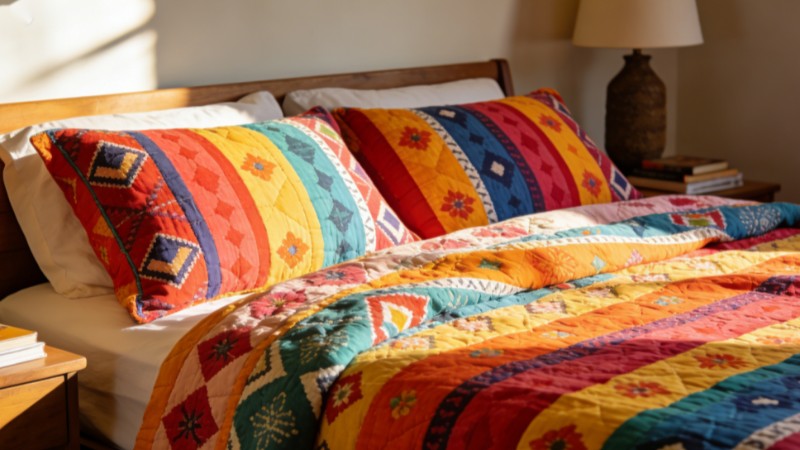
Selecting the correct bedding fabrics is a critical decision for sleep system performance. The choice of bed sheet materials directly influences thermoregulation, tactile comfort, and overall rest quality, making it a foundational component of sleep hygiene.
This guide provides a systematic analysis of common bedding textile materials, their functional properties, and selection criteria based on environmental and physiological needs.
Why Your Bedding Fabric Choice Matters for Sleep Quality
Bedding acts as a primary interface between the body and the sleep environment. Its material properties govern heat dissipation, moisture management, and sensory input, all of which are key variables in achieving and maintaining restful sleep.
How Fabric Affects Body Temperature and Breathability
Thermoregulation during sleep follows a predictable circadian decline. Fabrics that impede heat and vapor transfer disrupt this process. Breathability, determined by fiber hydrophilicity and weave structure, is therefore a non-negotiable parameter for maintaining the body's thermal equilibrium throughout the night.
Texture, Skin Sensitivity, and Allergen Considerations
Surface texture and fiber composition present mechanical and chemical interaction points with the skin. Rough textures can cause micro-awakenings, while certain synthetic materials or chemical treatments may harbor allergens or irritants, exacerbating conditions for sensitive individuals.
A Breakdown of the Best Fabrics for Bedsheets
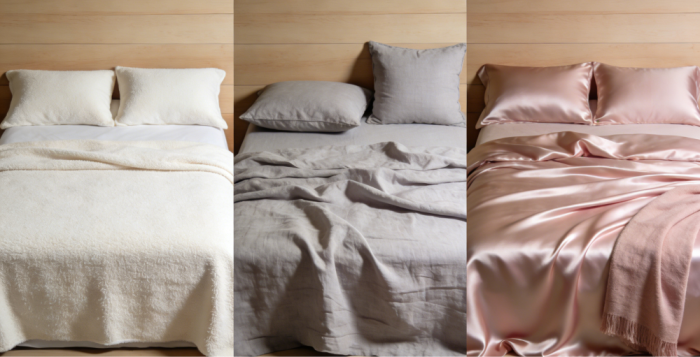
An objective evaluation of prevalent bedding materials reveals distinct performance profiles. The optimal choice is not universal but depends on a weighted analysis of key comfort parameters.
Cotton: The Classic, Breathable All-Rounder
Cotton, a natural cellulose fiber, is valued for its high moisture absorption and breathability. Long-staple variants, such as Egyptian or Pima, offer superior strength and a smoother hand feel due to longer, finer fibers, enhancing durability and comfort.
Linen: Naturally Temperature-Regulating and Durable
Derived from the flax plant, linen possesses exceptional moisture-wicking capabilities and high thermal conductivity. Its characteristic slubbed texture and gradual softening over time provide a uniquely relaxed, highly breathable sleep surface ideal for temperature regulation.
Bamboo (Lyocell/Viscose): Silky-Soft and Eco-Conscious
Bamboo-derived viscose or lyocell fibers are engineered for a notably smooth, soft hand feel. The production process, especially for lyocell, often utilizes a closed-loop system, aligning with eco-conscious priorities. The fiber's structure also promotes effective moisture management.
Tencel™ Lyocell: The Premium Eco-Friendly Performer
Tencel™ is a branded lyocell fiber produced via an environmentally responsible closed-loop process. It exhibits exceptional smoothness, consistent strength, and optimal moisture absorption, positioning it as a high-performance, sustainable choice among bedding textile materials.
Silk: The Luxurious, Hypoallergenic Choice
Silk, a natural protein fiber, offers a smooth, cool surface with minimal friction. It is naturally hypoallergenic and resistant to dust mites. Its temperature-buffering properties can provide a cool feel in summer and warmth in winter, though it requires specific care protocols.
Microfiber: The Affordable, Easy-Care Synthetic
Microfiber, typically a polyester-polyamide blend, is valued for its affordability, wrinkle resistance, and easy maintenance. While modern weaves can achieve notable softness, its inherent hydrophobic nature may reduce breathability compared to natural fibers, a key trade-off to consider.
Key Fabric Qualities to Prioritize for Sleep Comfort
Beyond base material, secondary construction characteristics critically determine final performance. These technical specifications should be evaluated in conjunction with fiber type.
Thread Count and Weave: Percale vs. Sateen
Thread count is a measure of thread density, but its value plateaus; quality is more accurately dictated by fiber length and weave. Percale, a one-over-one-under weave, yields a crisp, matte, and cool feel. Sateen, a three-over-one-under weave, creates a smoother, warmer, and silkier surface with a subtle sheen.
The Importance of Moisture-Wicking and Breathability
Effective sleep requires the efficient transfer of perspiration vapor. Moisture-wicking refers to a fabric's ability to move liquid moisture (sweat) away from the skin, while breathability denotes the passage of vapor and air. These are the most critical parameters for preventing sleep-disrupting clamminess.
How to Choose the Right Bedding Fabric for Your Needs
Selection should be driven by a systematic assessment of personal sleep physiology and local climate conditions. The following matrix provides a decision framework.
For Hot Sleepers and Warm Climates
Prioritize high breathability and moisture-wicking. Recommended configurations include:
• Linen or linen-cotton blends.
• Percale-weave, long-staple cotton.
• Bamboo lyocell or Tencel™.
These materials facilitate maximum airflow and vapor dissipation.
For Cold Sleepers and Cooler Environments
Focus on materials that provide thermal insulation and a warmer hand feel. Suitable options are:
• Flannel cotton (brushed for loft).
• Sateen-weave cotton for a denser surface.
• Higher thread count percale for added weight.
Silk can also serve as a temperature-buffering layer.
For Sensitive Skin and Allergy Sufferers
Select hypoallergenic, chemically inert materials. Seek out:
• Oeko-Tex® Standard 100 or GOTS-certified organic cotton.
• Silk or Tencel™ lyocell.
• Materials free from chemical dyes and finishes.
Avoid harsh textures and ensure proper fabric rinsing during initial care.
Caring for Your Bedding to Maintain Comfort and Longevity
Proper maintenance is essential to preserve the functional properties of bedding fabrics. Adhere to manufacturer care labels. General best practices include washing in cool to warm water with mild detergent, avoiding excessive heat in drying (especially for elastane blends or delicate fibers like silk), and storing in a dry, ventilated space. This prevents fiber degradation, maintains weave integrity, and ensures consistent performance.
Investing in Comfort: Your Path to Better Sleep Starts Here
The selection of bed sheet materials is an investment in systemic sleep quality. By applying a technical understanding of fiber properties, weave mechanics, and personal physiological needs, you can specify a bedding system that actively supports thermoregulation and comfort. This deliberate approach to choosing bedding fabrics transforms a passive textile into an active component of a high-performance sleep environment.
FAQ: Common Questions About Bedding Fabrics and Materials
What is the best fabric for bedsheets for hot sleepers?
Linen, percale cotton, and bamboo lyocell are top choices due to their high breathability and effective moisture-wicking properties, which facilitate cooling.
Is a higher thread count always better for bed sheet materials?
Not necessarily. Beyond approximately 400-600, increased thread count offers diminishing returns and can reduce breathability. Fiber quality and weave type are more impactful indicators of performance.
What are the most breathable bedding fabrics?
Linen is considered the benchmark for breathability, followed by percale-weave cotton and then bamboo-derived lyocell. These materials excel at air and vapor permeability.
How do I choose between natural and synthetic bedding fabrics?
Natural fibers (cotton, linen, silk) generally offer superior breathability and moisture absorption. Synthetic fibers (like polyester microfiber) provide durability, wrinkle resistance, and lower cost but may compromise on thermal regulation.
Which bedding textile materials are best for people with allergies?
Look for tightly woven, naturally hypoallergenic materials like silk, or certified organic cotton. Ensure fabrics are Oeko-Tex® certified to guarantee they are free from harmful chemical residues.