Choosing Skin-Friendly Fabrics: A Guide for Sensitive Skin
If you have sensitive skin, you know the struggle isn't just about skincare products. The clothes you wear can be a daily source of irritation or relief. Choosing the right fabrics for sensitive skin is a science, rooted in the material properties of the fiber itself. This guide breaks down which materials soothe and which to steer clear of, helping you build a comfortable, irritation-free wardrobe from the skin out.
Understanding Sensitive Skin and Fabric Interaction
Sensitive skin reacts more intensely to triggers that others might not notice. It's not always a full-blown allergy; often, it's a combination of friction, trapped moisture, and residual chemicals from fabric processing. The texture, breathability, and finish of a fabric are just as important as its fiber content.
Why Fabric Choice Matters: Beyond Allergies and Irritants
Think beyond dyes and formaldehydes. A rough weave creates constant micro-abrasion. A non-breathable fabric traps sweat, disrupting your skin's natural barrier. Even a seemingly soft synthetic can generate static, pulling on delicate skin. Managing these physical factors is key to daily comfort.
Key Material Properties to Look For: A Quick Checklist
When shopping for skin-friendly fabrics, prioritize materials with these traits:
Natural Fibers: Generally more breathable and less likely to harbor irritants.
Smooth Weave or Knit: Minimizes friction against the skin.
High Breathability: Allows air circulation and heat to escape.
Moisture-Wicking: Pulls dampness away from the skin's surface.
Minimal Chemical Processing: Look for terms like GOTS-certified, OEKO-TEX®, or "undyed."
Top Skin-Friendly Fabrics: A Breakdown by Material
Not all natural fibers are created equal. Here are the top-performing materials that align with the ideal properties for sensitive skin.
Organic Cotton: The Breathable, Low-Irritant Standard
Organic cotton, especially long-staple or Pima varieties, is a classic for a reason. It's highly breathable, soft, and absorbs moisture. The "organic" designation is crucial, as it means the cotton is grown without synthetic pesticides, reducing the risk of chemical residues that can irritate skin.
Linen: The Naturally Hypoallergenic and Temperature-Regulating Choice
Linen, made from flax, is inherently antibacterial and exceptionally breathable. It wicks moisture away rapidly and gets softer with every wash. Its loose weave promotes superb air circulation, making it an ideal hypoallergenic fabric for hot climates or night sweats.
Silk: The Luxurious, Smooth Barrier for Delicate Skin
Silk's smooth, protein-based fibers create a frictionless surface that glides over skin, reducing mechanical irritation. It's naturally temperature-regulating and hypoallergenic. Mulberry silk is the finest grade, offering the ultimate in gentle, soft fabric materials for sleepwear or undergarments.
Bamboo Lyocell (TENCEL™): The Eco-Friendly Moisture Manager
Bamboo lyocell is a dream for sensitive skin. Processed in a closed-loop system that recycles solvents, it leaves minimal chemical traces. The result is a fabric that is incredibly soft, breathable, and has superior moisture-wicking capabilities, making it excellent for eczema-prone skin.
Modal: The Silky-Soft, Durable Alternative
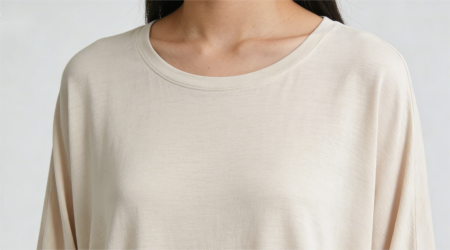
Derived from beech tree pulp, modal is a type of rayon known for its silky texture and durability. It's more breathable than cotton and retains its softness wash after wash. Its smooth surface reduces friction, positioning it as a reliable, skin-friendly fabric for everyday wear.
Fabrics to Avoid if You Have Sensitive Skin
Knowing what to avoid is half the battle. These materials are common culprits for irritation.
Synthetic Fabrics: The Usual Suspects (Polyester, Nylon, Acrylic)
Synthetics are typically non-breathable, trapping heat and sweat against the skin. This creates a damp environment that can lead to chafing and flare-ups. They are also often treated with chemical dyes and finishes like formaldehyde for wrinkle resistance, which can be direct irritants.
Rough Natural Fibers: When "Natural" Doesn't Mean Gentle
Coarse, scratchy wools, stiff raw denim, or heavily textured weaves can cause significant physical irritation through friction. While some merino wools are finely spun and can be tolerable, generally, rough textures are a risk for those with reactive skin.
How to Shop for Hypoallergenic and Soft Fabric Materials
Arm yourself with knowledge before you hit the store or browse online.
Reading Labels and Understanding Blends
Always check the fabric content label. A garment with a high percentage (e.g., 95%) of a recommended fiber like organic cotton or TENCEL™, blended with a small amount of elastane for stretch, can still be a good choice. Avoid blends where synthetics are the majority.
The Importance of Weave, Finish, and Dye
Seek out smooth weaves like sateen, jersey, or percale. Prioritize items labeled with "low-impact dye," "undyed," or "plant-based dye." Be wary of functional finishes such as "wrinkle-free," "stain-resistant," or "odor-resistant," as these often involve harsh chemicals.
Caring for Your Skin-Friendly Fabrics
Proper care maintains the gentle properties of your fabrics and prevents new irritants from being introduced.
Detergent and Wash Cycle Best Practices
Use a fragrance-free, dye-free liquid detergent. Powder detergents can leave residue. Opt for an extra rinse cycle to ensure all soap is removed. Skip fabric softeners and dryer sheets, which coat fibers in chemicals and can reduce breathability.
Tips to Preserve Softness and Integrity
Wash clothes inside-out on a gentle cycle with cool water. Air-dry when possible, as high heat can damage fibers and set in stains. If using a dryer, choose a low-heat setting.
Start with the basics—underwear, sleepwear, and everyday tops in proven materials like organic cotton or bamboo lyocell. From there, you can expand to outer layers. Remember, the goal is to create a comfortable foundation. By focusing on material properties and mindful shopping, you can significantly reduce skin irritation and feel confident in your choices. Investing in the right fabrics for sensitive skin is an investment in daily comfort and well-being.
FAQ: Common Questions About Fabrics for Sensitive Skin
What is the single best fabric for sensitive skin?
There's no one-size-fits-all answer, as it depends on your specific triggers. However, organic cotton and bamboo lyocell are consistently top recommendations for their softness, breathability, and low-irritant profiles.
Is bamboo fabric good for eczema-prone skin?
Yes, specifically bamboo lyocell (like TENCEL™). Its exceptional moisture-wicking keeps skin dry, and its ultra-soft, smooth fibers minimize friction, which can help prevent eczema flare-ups.
Can I ever wear synthetic fabrics if I have sensitive skin?
It's possible, but choose wisely. Look for high-quality, moisture-wicking synthetics designed for athletic wear, and always wear them over a base layer of a natural, breathable fabric like cotton to create a protective barrier.
How can I tell if a fabric will irritate my skin before I buy it?
Read the label for fiber content and finishes. Feel the fabric—if it feels rough or plasticky, it might irritate. When possible, wash the item before first wear to remove any processing residues.
Are "hypoallergenic" labels on clothing trustworthy?
They can be a helpful signal, but they are not a regulated guarantee. Use the label as a starting point, but always verify by checking the actual material content and looking for third-party certifications like OEKO-TEX® Standard 100.