What Is a Textile Fiber? Natural, Synthetic, and Regenerated Explained
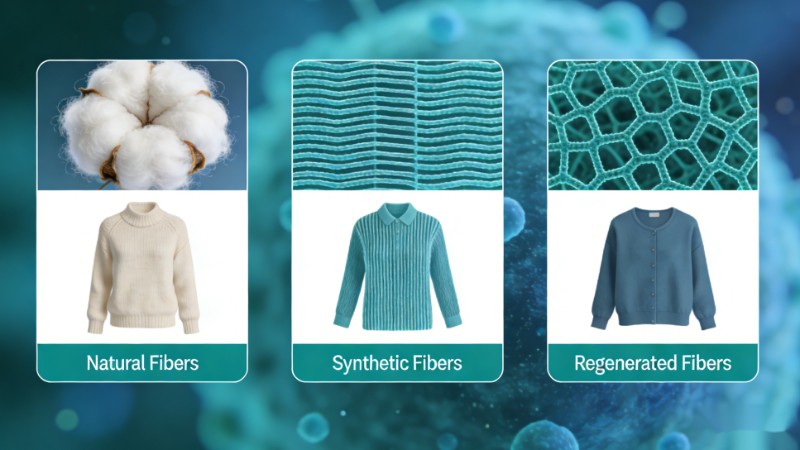
Every piece of fabric begins with a single, fundamental component: the textile fiber. Understanding what a textile fiber is and the differences between its main types is key to making informed choices about the clothes you wear, the furnishings in your home, and the materials in your gear. This guide breaks down the science and sourcing behind natural, synthetic, and regenerated fabric fibers.
Defining the Basics: What Exactly Is a Textile Fiber?
At its core, a textile fiber is a unit of matter characterized by flexibility, fineness, and a high length-to-width ratio. It must be strong and cohesive enough to be spun into yarn and then woven or knitted into fabric. Not every hair or thread qualifies; specific properties make a material suitable as a textile fiber.
The Core Definition and Key Characteristics
A true textile fiber is defined by three essential traits. It must have a length at least 100 times its width, possess sufficient strength (tenacity) to withstand mechanical processing, and be flexible enough to bend without breaking. These characteristics allow fibers to be twisted together, creating the continuous yarn needed for textile production.
Why Fiber Properties Matter: Strength, Length, and More
The end-use of a fabric is dictated by the inherent properties of its fibers. Key attributes include:
Tenacity: The strength of a fiber, crucial for durability.
Staple vs. Filament: Short fibers (staple, like cotton) are spun for a softer feel, while long, continuous fibers (filament, like silk) create smooth, lustrous fabrics.
Elasticity: The ability to stretch and recover, essential for activewear.
Absorbency: How well a fiber takes in moisture, affecting comfort and dyeability.
The Three Main Types of Textile Fibers: A High-Level Overview
All textile fibers fall into one of three broad categories based on their origin: natural (from plants or animals), synthetic (from petrochemicals), and regenerated (from natural polymers processed chemically). Each category offers a distinct balance of feel, performance, and cost.
Natural Fibers: From Plants and Animals
Natural fibers are harvested directly from nature. They are prized for their comfort, breathability, and often, biodegradability. Their properties are largely determined by their biological source.
Plant-Based Fibers (Cellulosic): Cotton, Linen, Hemp
These fibers come from the cellulose in plant stems, leaves, or seeds. Cotton is the world's most popular, known for its softness and absorbency. Linen, from the flax plant, is stronger and highly breathable, offering a crisp, cool feel. Hemp is similarly durable and is gaining popularity for its sustainability and texture.
Animal-Based Fibers (Protein): Wool, Silk, Cashmere
Sourced from animals, these protein-based fibers provide warmth and luxury. Wool, primarily from sheep, is renowned for its excellent insulation and moisture-wicking properties. Silk, produced by silkworms, is a luxurious filament fiber known for its smoothness and natural sheen. Cashmere, from goat hair, is exceptionally soft and lightweight.
Synthetic Fibers: Engineered for Performance
Synthetic fibers are human-made, created through chemical synthesis, typically from petroleum-based polymers. They are designed to offer specific, high-performance characteristics that natural fibers may lack.
Common Synthetic Fibers: Polyester, Nylon, Acrylic, Spandex
Polyester dominates for its wrinkle resistance, durability, and quick-drying nature. Nylon, incredibly strong and elastic, is a staple in hosiery and activewear. Acrylic is often used as a wool substitute for its warmth and softness. Spandex (or elastane) provides exceptional stretch and recovery, essential for form-fitting garments.
Key Advantages: Durability, Cost, and Functionality
The primary benefits of synthetic fibers are their engineered consistency, high strength, resistance to wrinkles and mildew, and often lower cost. They excel in applications requiring specific functionality, such as water resistance, elasticity, or extreme durability.
Regenerated Fibers: Nature Meets Innovation
Regenerated fibers occupy a middle ground. They start with a natural raw material (usually plant cellulose) that is dissolved and then extruded through a spinneret to form new fibers. This process transforms the natural polymer into a spinnable form.
How Regenerated Fibers Are Made: The Viscose/Rayon Process
The most common method is the viscose process. Wood pulp is treated with chemicals to create a viscous solution, which is then forced through tiny holes into a chemical bath, where it solidifies into fine filaments. This regenerates the cellulose into a usable textile fiber.
Popular Regenerated Fibers: Rayon, Modal, Lyocell (TENCEL™)
Rayon (or viscose) is known for its silky feel and excellent drape. Modal, a type of rayon, is softer and more resistant to shrinkage. Lyocell (often branded as TENCEL™) is produced via a more environmentally friendly closed-loop solvent process, resulting in a strong, absorbent, and biodegradable fiber.
Natural vs. Synthetic vs. Regenerated: A Direct Comparison
| Attribute | Natural Fibers | Synthetic Fibers | Regenerated Fibers |
|---|---|---|---|
| Source | Plants, Animals | Petrochemicals | Plant Cellulose |
| Feel & Comfort | Breathable, Soft | Can be less breathable | Soft, Silky, Breathable |
| Durability & Care | Varies; may wrinkle or shrink | Strong, easy-care, wrinkle-resistant | Often delicate when wet |
| Environmental Impact | Biodegradable, but resource-intensive | From non-renewables, but durable | From renewables; process varies |
How to Choose the Right Fiber for Your Needs
Selecting a fiber depends on the intended use. For everyday comfort and breathability, cotton or linen are excellent. For high-performance athletics, moisture-wicking polyester or stretchy nylon-spandex blends are ideal. If you seek a luxurious drape for eveningwear, silk or rayon work well. Consider care requirements, durability needs, and sustainability preferences when making your choice.
The Future of Fibers: Sustainability and Innovation
The textile fiber industry is rapidly evolving to address environmental concerns. Innovations include bio-based synthetics made from renewable sources like corn, increased use of recycled polyester from plastic bottles, and advancements in closed-loop production for regenerated fibers. The future lies in creating high-performance materials with a significantly reduced ecological footprint, pushing the boundaries of what a textile fiber can be.
FAQ: Common Questions About Textile and Fabric Fibers
What is the most durable type of textile fiber?
Synthetic fibers like nylon and polyester are generally the most durable, offering high resistance to abrasion, stretching, and environmental damage.
What's the difference between natural and organic fibers?
"Natural" describes the source (plant/animal). "Organic" certifies the fiber was grown without synthetic pesticides or GMOs, following specific agricultural standards.
Are synthetic fibers bad for the environment?
Their production relies on non-renewable resources and can be energy-intensive. They also shed microplastics during washing. However, their durability and the growth of recycling programs are mitigating factors.
Which fiber is best for sensitive skin or allergies?
Natural, breathable fibers like organic cotton, silk, or linen are often best. Avoid rough wools and look for fibers with minimal chemical processing.
What does "blended fabric" mean, and why is it common?
Blended fabrics combine two or more fiber types (e.g., cotton-polyester) to merge the best properties of each, such as the comfort of cotton with the wrinkle resistance of polyester.