600D Oxford Fabric Explained: What 210D, 300D, 600D, and 900D Mean
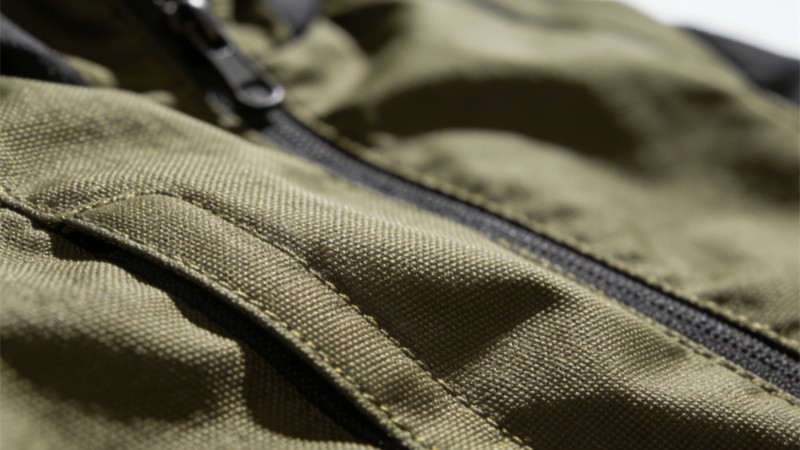
When selecting gear, luggage, or protective covers, you often encounter specifications like 600D Oxford fabric. These numbers are not marketing jargon but a precise technical indicator of material strength and performance. Understanding the denier code is essential for matching fabric capability to application demands.
The Oxford Fabric Denier Code
Oxford fabric is a dominant material in durable goods, prized for its balance of strength, weight, and cost. The "D" numbers—210D, 300D, 600D, 900D—are a source of common confusion. Decoding these specifications allows for informed decisions, ensuring the material's inherent durability aligns with your project's requirements.
What is Denier? The Key to Understanding Fabric Strength
Denier (D) is a unit of linear density, measuring the thickness of the individual yarns used in the fabric. Specifically, it is the mass in grams of 9,000 meters of that yarn. A higher denier number signifies thicker, heavier yarns, which directly correlates to greater tensile strength and abrasion resistance in the finished textile.
A Simple Analogy: From Thread to Rope
Consider the difference between sewing thread and climbing rope. Both are twisted fibers, but the rope uses vastly thicker strands, making it far stronger. Similarly, 900D Oxford fabric uses yarns analogous to a robust rope, while 210D employs finer threads. This fundamental difference in yarn thickness dictates the fabric's potential durability.
Denier vs. Thread Count: Why They're Not the Same
It is critical to distinguish denier from thread count. Denier measures yarn *thickness*. Thread count measures the *number* of yarns (warp and weft) per square inch. A fabric can have a high thread count with very fine (low denier) yarns, resulting in a smooth, dense feel but not necessarily high puncture resistance. For heavy-duty applications, both adequate denier and a tight weave are important.
Oxford Fabric 101: Weave, Finish, and Common Traits
Beyond denier, Oxford fabric is defined by its 2x1 or 2x2 basket weave structure, creating a recognizable textured pattern. This weave contributes to its tear resistance and dimensional stability. Nearly all Oxford fabric for outdoor and luggage use receives a polyurethane (PU) or polyvinyl chloride (PVC) coating. This coating provides essential water resistance, enhances durability, and allows for color application.
Decoding the Numbers: A Guide to 210D, 300D, 600D, and 900D
Each denier grade occupies a specific performance tier. Selecting the correct one involves balancing strength, weight, flexibility, and cost against the intended use case.
210D & 300D Oxford Fabric: Lightweight and Everyday Use
These are lightweight fabrics. 210D and 300D Oxford fabric are suitable for applications where minimizing weight is a priority and extreme abrasion is not expected.
Typical Uses: Lightweight backpacks, laptop sleeves, apparel liners, lightweight storage bags, and promotional totes.
Pros: Highly flexible, low cost, and easy to work with in manufacturing.
Cons: Limited resistance to sharp edges and heavy abrasion; not for heavy loads.
600D Oxford Fabric: The All-Rounder Workhorse
This is the most versatile and widely used grade. 600D Oxford fabric offers an optimal equilibrium of strength, manageable weight, and cost-effectiveness. It provides substantial resistance to tears and scuffs without the stiffness and weight penalty of higher deniers.
Typical Uses: Checked luggage, tactical backpacks, duffel bags, heavy-duty outdoor furniture covers, and tool bags.
Pros: Excellent durability for most scenarios, good drape and handling, widely available.
Cons: May be over-engineered for very light duties where 300D would suffice.
900D & Higher Oxford Fabric: Maximum Durability
Fabrics in the 900D to 1680D range are for severe-duty applications. The yarns are exceptionally thick, creating a stiff, heavy fabric with maximum resistance to abrasion, punctures, and tears.
Typical Uses: Industrial equipment covers, premium heavy-duty luggage, military-grade gear, and protective cases for sensitive equipment.
Pros: Superior longevity in harsh environments, highest load-bearing capacity.
Cons: Significant weight, increased stiffness (which can affect sewing and drape), and higher cost.
How to Choose the Right Denier for Your Project
Selection is a systematic evaluation of operational parameters. Denier is a primary factor, but it must be considered within the full context of the application.
Key Decision Factors: Use Case, Weight, and Budget
Answer these questions to guide your specification:
Intended Load & Stress: Will the item carry sharp, heavy tools or soft clothing? Will it be dragged, thrown, or exposed to rough surfaces?
Frequency of Use: Is this for daily heavy use or occasional, light-duty storage?
Weight Sensitivity: Is the final product's weight a critical factor, as in carry-on luggage or wearable gear?
Budget Constraints: Higher denier fabrics cost more per yard. Does the performance requirement justify the material cost increase?
Beyond Denier: Other Factors Affecting Oxford Fabric Performance
Denier indicates potential strength, but final performance is a system outcome. Ignoring these co-factors can lead to product failure.
Coating Type & Thickness: A PU coating is more flexible and environmentally friendly; PVC is more rigid and offers higher initial water resistance. The coating's thickness, often measured in millimeters (e.g., 1000mm waterproof rating), determines water column pressure resistance.
Fabric Blend: While most Oxford fabric is 100% polyester, some blends incorporate nylon for increased tear strength or other fibers for specific properties.
Weave Density: A tighter weave with higher thread count improves wind and water resistance and can add to overall durability, even with a given denier.
Conclusion: Matching Fabric Strength to Your Needs
The denier specification is a fundamental engineering parameter for Oxford fabric, providing a reliable proxy for durability and weight. There is no universal "best" choice. For general-purpose luggage and gear that must withstand airline handling and daily use, 600D Oxford fabric remains the benchmark for balanced performance. By applying a systematic evaluation of load, environment, and cost, you can specify the correct material grade with confidence, ensuring the fabric's inherent capabilities are fully aligned with the product's operational life.
FAQs About Oxford Fabric Denier
Is 600D Oxford fabric waterproof?
The fabric itself is not inherently waterproof. Its water resistance comes from a PU or PVC coating applied to the woven base. The level of waterproofing depends on the quality and thickness of this coating.
Which is better, 300D or 600D Oxford fabric?
"Better" depends on use. 300D is better for minimizing weight and cost in low-stress applications. 600D is better for overall durability, abrasion resistance, and carrying heavier loads. For most luggage and serious backpacks, 600D is the more robust choice.
What does "D" stand for in fabric?
"D" stands for denier, a unit of measurement for the linear density of fibers. It quantifies the thickness of the individual yarns used in the fabric's construction.
Is higher denier always better for bags and luggage?
Not always. Higher denier means greater weight and stiffness. For ultralight travel or simple daypacks, a lower denier (e.g., 300D-420D) may offer sufficient strength without unnecessary bulk. Higher deniers (600D+) are optimal for checked luggage and gear for rough use.
Can Oxford fabric be washed, and does denier affect care?
Yes, it can typically be gently machine-washed with mild detergent. Denier does not drastically affect care instructions. The primary concern is preserving the waterproof coating; avoid harsh detergents, bleach, and high-heat drying regardless of the denier rating.