Oxford Fabric Guide: Material, Properties & Uses
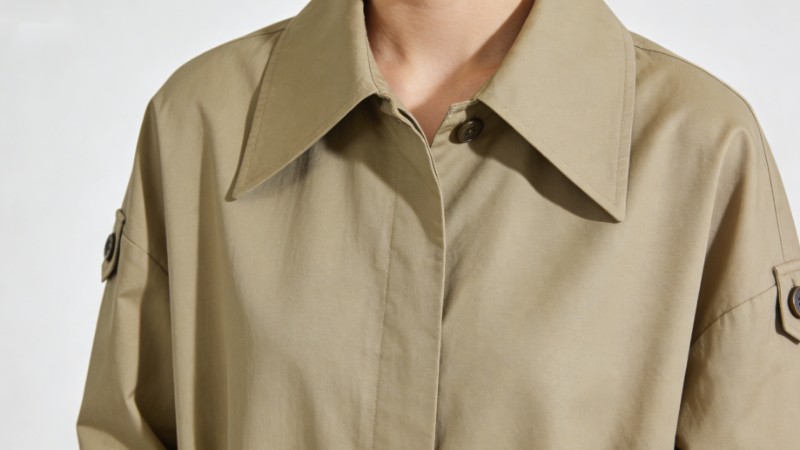
It's in your closet. It's in your trunk. It's probably on your back right now. Oxford fabric—that textured, tough-as-nails weave—has been getting the job done since the 1800s. Shirts, bags, gear you actually use. So what's the secret sauce? This guide breaks down the composition, characteristics, and wide-ranging applications of this versatile cloth.
What Is Oxford Fabric? Defining the Classic Textile
Oxford cloth is a type of woven fabric, most recognizable for its distinctive basketweave texture and substantial feel. It's a workhorse material prized for its durability and casual elegance, bridging the gap between ruggedness and refined style.
The History and Origin of Oxford Cloth
The fabric's name traces back to 19th-century Scotland, where it was developed for student shirts at Oxford University. The goal was to create a fabric more durable and comfortable than the stiff, formal shirting of the era, giving birth to a practical yet polished textile.
The Signature Basketweave: How Oxford Fabric is Constructed
The defining feature of Oxford cloth is its 2x1 basketweave. This means two fine warp threads are woven together over a single, thicker weft thread. This construction creates a slightly raised, textured pattern that is both visually interesting and incredibly strong, setting it apart from smoother weaves like poplin.
What Is Oxford Fabric Made Of? Common Materials and Blends
The fibers used in Oxford cloth directly influence its feel, performance, and care. While traditionally cotton, modern blends have expanded its functionality.
100% Cotton: The Traditional Choice
Pure cotton Oxford fabric is breathable, soft with wear, and has a natural, matte appearance. It's the classic choice for button-down shirts, offering superior comfort but requiring more ironing than blends.
Cotton-Polyester Blends: Durability and Wrinkle Resistance
Blending cotton with polyester enhances the fabric's performance. The synthetic fibers add significant wrinkle resistance, increase tensile strength, and reduce shrinkage, making it ideal for work uniforms, bags, and easy-care casual wear.
Other Material Variations
For specialized uses, you may find Oxford weaves in nylon for lightweight outdoor gear, or in rayon blends for a softer drape. The core basketweave structure remains, but the fiber changes the end-use.
Key Properties and Characteristics of Oxford Fabric
The unique construction of Oxford cloth gives it a reliable set of traits. Understanding these oxford fabric properties helps in selecting the right material for any project.
Durability and Strength
The basketweave interlacing creates a tightly bound structure resistant to abrasion and tearing. This inherent toughness is why it's trusted for items that see daily wear and tear.
Texture, Weight, and Drape
Oxford fabric has a characteristic nubby texture and a substantial hand-feel. It comes in various weights:
Pinpoint Oxford: A finer weave for dressier shirts.
Royal Oxford: A more elaborate weave with a subtle sheen.
Heavyweight Oxford: Used for bags and upholstery.
It drapes with a structured, crisp quality rather than a fluid softness.
Breathability and Comfort
Cotton-dominant Oxford cloth is quite breathable, making it comfortable for all-day wear in shirts. The texture also allows for good air circulation compared to tighter, smoother weaves.
Wrinkle Resistance and Ease of Care
While pure cotton will wrinkle, Oxford's texture hides minor creases better than a smooth broadcloth. Blended Oxford fabric offers excellent wrinkle resistance and is often machine wash-and-dry friendly.
Common and Practical Uses of Oxford Fabric
The oxford fabric uses list is extensive, a testament to its adaptability. Its blend of durability and style makes it a go-to across multiple domains.
Shirts and Casual Apparel
This is its most famous application. The Oxford cloth button-down shirt is an American style icon. The fabric is also used in polo shirts, casual trousers, and durable workwear.
Bags, Luggage, and Totes
Heavier weight Oxford, especially in nylon or polyester blends, is a premier choice for backpacks, duffels, messenger bags, and laptop sleeves. It withstands scuffs and the rigors of travel.
Home and Office Textiles
You'll find Oxford cloth in sturdy upholstery for casual furniture, durable curtains, tablecloths, and even protective furniture covers. It provides a relaxed, textured look that wears well.
Industrial and Niche Applications
Its strength lends itself to industrial workwear, lab coats, uniforms, and protective covers for equipment. Wherever a tough, reliable fabric is needed, Oxford weave is a candidate.
Oxford Fabric vs. Other Popular Shirt Fabrics
How does Oxford cloth compare to other common shirting materials?
Oxford vs. Poplin
Poplin uses a simple one-over-one weave, resulting in a smooth, flat, and lightweight fabric. Oxford is thicker, more textured, and more casual. Poplin is for formal dress shirts; Oxford is for business-casual.
Oxford vs. Twill
Twill (like in chinos or denim) has a diagonal rib pattern. It's soft, drapes well, and is often heavier. Oxford has a more squared, textured look and a crisper hand feel, with comparable durability.
Oxford vs. Broadcloth
Broadcloth is a tightly woven, lightweight, and smooth fabric with a slight sheen, used in formal shirts. Oxford is matte, textured, and more substantial. Broadcloth is for a sleek look; Oxford is for a rugged, classic look.
Caring for Your Oxford Fabric Items
Proper care extends the life of your Oxford cloth products. Always check the label first, but these are general guidelines.
Washing and Drying Guidelines
Machine wash in cold or warm water with similar colors. For 100% cotton, consider air-drying to minimize shrinkage and maintain crispness. Blends can typically tolerate tumble drying on a low setting.
Ironing and Storage Tips
Iron while slightly damp on a medium-to-high heat setting for best results. The texture makes it forgiving. Store shirts on hangers; fold heavier items like bags to avoid creating sharp creases.
The Enduring Appeal of Oxford Fabric
For over a century, Oxford fabric has remained relevant by perfectly balancing form and function. Its durable basketweave construction, adaptable material blends, and versatile application range ensure it's more than just a passing trend. From the lecture halls of its namesake to global wardrobes and gear bags, this textile proves that practical strength and timeless style can be woven from the same thread. Whether you're choosing a shirt or sourcing material for a durable product, understanding the qualities of Oxford cloth provides a solid foundation for your decision.
Oxford Fabric Questions Answered
Is Oxford fabric good for summer?
Lightweight, cotton Oxford shirts are breathable and good for summer, especially in looser weaves. Heavier weights or blends may be less ideal for extreme heat.
What is the difference between pinpoint Oxford and royal Oxford?
Pinpoint Oxford uses finer yarns for a smoother, dressier look. Royal Oxford has a more complex weave with a small, decorative pattern and a slight luster, offering a smarter appearance.
Can Oxford fabric be used for formal shirts?
Traditional business formal? Rarely. However, finer variants like pinpoint or royal Oxford are perfectly suited for smart-casual, business-casual, and dressier informal occasions.
How does Oxford cloth compare to canvas in terms of durability?
Both are very durable. Canvas is often heavier and more rigid. Oxford fabric, particularly in synthetic blends, offers comparable tear strength with greater flexibility and a softer hand, making it better for apparel and detailed bag construction.
Does Oxford fabric shrink?
100% cotton Oxford will shrink if machine dried, typically 3-5%. Pre-washing or buying pre-shrunk fabric mitigates this. Cotton-polyester blends have minimal shrinkage.