Cotton Oxford Fabric: A Guide to Texture, Use, and Pinpoint Oxford Differences
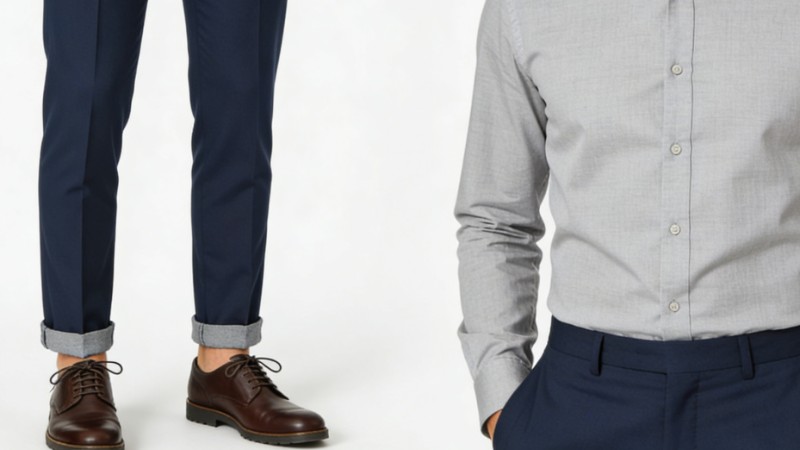
In menswear, few materials are as iconic or versatile as cotton oxford fabric. This guide explains the technical characteristics of the classic oxford weave, details the key differences between standard and pinpoint oxford, and provides clear criteria for selecting the right oxford shirt fabric for any occasion.
What is Oxford Cloth? Defining the Classic Weave
Oxford cloth refers to a category of woven fabrics defined by a specific basketweave structure. It is not a single fabric but a family, with variations like pinpoint oxford offering distinct performance and aesthetic profiles. Understanding this foundational weave is essential for evaluating any oxford cotton fabric.
The Oxford Weave: A Basketweave Explained
The signature of oxford weave fabric is a 2x1 basketweave. This construction uses two fine warp threads woven together over a single, heavier weft thread. This asymmetric interlacing creates a textured, slightly raised surface and a fabric that is more durable and opaque than a plain weave of equivalent weight.
A Brief History of Oxford Fabric
Originating in 19th-century Scotland, the fabric was later adopted by students at Oxford University for sportswear, leading to its name. Its transition from rugged sports shirts to a business-casual staple was driven by its exceptional durability and comfortable, broken-in feel.
Cotton Oxford Fabric: The Workhorse of Shirtmaking
Traditional cotton oxford fabric represents the standard interpretation of the weave. It is characterized by its use of thicker yarns, resulting in a substantive, rugged material prized for its casual character and longevity.
Texture and Hand Feel: The Substantial, Casual Character
The hand feel of this cotton oxford material is distinctly robust. The surface has a pronounced, nubby texture that is slightly rough to the touch. The fabric is heavyweight, highly opaque, and maintains a structured, crisp drape that softens gracefully with wear and washing.
Common Uses and Style Recommendations
Standard oxford cloth shirts are ideal for business-casual environments with a relaxed dress code, weekend wear, and as a layering piece in cooler weather. Their inherent casualness makes them less suitable for formal business settings or tailored suits.
Pinpoint Oxford Fabric: The Refined Alternative
Pinpoint oxford fabric is a finer, denser variant within the oxford family. It addresses the desire for a more polished appearance while retaining the weave's inherent benefits, creating a bridge between casual and dressier styles.
How Pinpoint Oxford Differs in Construction
The key difference lies in the yarns and weave density. Pinpoint oxford uses finer, higher-thread-count yarns in both the warp and weft. These are woven in a tighter 2x2 basketweave pattern, resulting in a smoother, more uniform surface with a higher thread density per square inch.
Texture and Drape: A Smoother, Dressier Finish
This construction yields a fabric with a noticeably smoother hand feel. Pinpoint oxford is lighter in weight, has a softer drape that conforms more closely to the body, and presents a finer, less pronounced texture. It reads as more refined and tailored than its standard counterpart.
Side-by-Side Comparison: Oxford vs. Pinpoint Oxford
A direct comparison clarifies the functional and aesthetic trade-offs between these two oxford shirt fabric types.
Texture, Weight, and Formality
| Attribute | Traditional Oxford | Pinpoint Oxford |
|---|---|---|
| Texture | Pronounced, nubby, rough | Subtle, smooth, fine |
| Weight | Heavy, substantial | Medium, lighter |
| Formality | Business Casual / Casual | Business Casual / Smart Casual |
Durability, Wrinkling, and Seasonal Wear
| Attribute | Traditional Oxford | Pinpoint Oxford |
|---|---|---|
| Durability | Excellent; highly abrasion-resistant | Very Good; durable but finer yarns are less rugged |
| Wrinkle Resistance | Good; texture hides minor wrinkles | Better; tighter weave resists creasing |
| Seasonal Preference | Fall, Winter, Spring | Year-round, especially Spring, Summer, Fall |
Choosing the Right Oxford Fabric for Your Shirt
Selection should be driven by intended use, climate, and desired formality level. Both are valid choices within a versatile wardrobe.
When to Choose Traditional Cotton Oxford
Opt for standard cotton oxford fabric when maximum durability is the priority, or when seeking a distinctly relaxed, rugged aesthetic. It is the superior choice for cold-weather layering under sweaters and for environments where a tough, casual shirt is appropriate.
When Pinpoint Oxford is the Superior Choice
Select pinpoint oxford fabric for office environments requiring a polished business-casual look, for warmer weather due to its lighter weight, and whenever a smoother, dressier finish is desired without sacrificing the comfort and breathability of the oxford weave.
Caring for Your Oxford Cloth Shirts
Proper care extends the life of both fabrics. Machine wash in cold water on a gentle cycle. Tumble dry on low heat and remove promptly to minimize wrinkles. While traditional oxford can often be worn with a soft, rumpled look, pinpoint oxford benefits from a light ironing or steaming at a medium heat to maintain its crisp, refined appearance.
Final Thoughts
The distinction between traditional and pinpoint oxford fabric is one of refinement within a shared structural heritage. The standard variant offers unmatched ruggedness and a classic casual look, while pinpoint oxford provides a dressier, more versatile iteration suitable for a wider range of professional settings. Understanding these technical differences allows for an informed selection, ensuring the chosen oxford cotton fabric aligns perfectly with functional requirements and stylistic intent.
FAQ: Your Cotton Oxford Fabric Questions Answered
Is cotton oxford fabric good for summer?
Traditional heavy oxford is less ideal. Pinpoint oxford, with its finer, lighter weave, is a much better choice for summer as it offers improved breathability and less weight.
What is the difference between oxford cloth and poplin?
Oxford uses a basketweave for a textured, durable finish. Poplin uses a plain weave with finer yarns, resulting in a smooth, crisp, and lighter fabric that is more formal.
Can you wear a pinpoint oxford shirt to a formal interview?
Yes, a white or light blue pinpoint oxford shirt is generally acceptable for most business and business-casual interviews, especially when paired with a suit. It presents a polished, professional appearance.
Why are oxford cloth shirts so popular?
Their popularity stems from a unique combination of durability, comfort, and a versatile aesthetic that bridges casual and professional wear, all achieved through the resilient oxford weave fabric structure.
Does pinpoint oxford wrinkle less than regular oxford?
Typically, yes. The tighter weave and finer yarns of pinpoint oxford fabric resist creasing more effectively than the looser, heavier weave of traditional oxford.