Lightweight Denim Fabric: When to Wear It, Why It Works
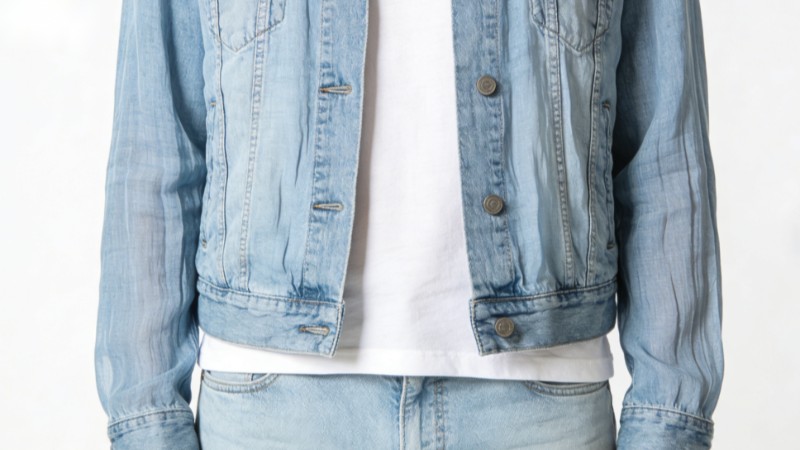
Denim is a wardrobe staple, but not all denim is created equal. While traditional 12-ounce denim is durable, it can be heavy and restrictive. This is where lightweight denim fabric comes in, offering a versatile alternative for comfort-focused styles.
Often weighing between 5 and 10 ounces per square yard, this material redefines what denim can be. It’s not just a thinner version of the classic; it’s a deliberate choice for specific climates, activities, and aesthetics.
What Exactly Is Lightweight Denim Fabric?
Lightweight denim is characterized by its lower fabric weight. Traditional denim often starts at 12 oz/yd² and can go much higher for raw or selvedge varieties. Light denim fabric typically falls below that 10-ounce threshold.
This reduced weight is achieved by using finer yarns and a less dense weave. The result is a cloth that maintains the familiar twill structure and durability of denim but with significantly increased pliability and breathability.
Key Characteristics of Thin Denim Material
Understanding its properties helps explain its popularity. This fabric is known for several distinct features.
Enhanced Breathability: The looser weave allows for better air circulation, making it a top choice for breathable denim fabric.
Superior Drape: It hangs and moves with the body more fluidly than stiff, heavy denim.
Quick Break-in Period: It requires minimal wear to become comfortable, unlike heavier jeans that can take weeks to soften.
Seasonal Versatility: It transitions easily between seasons, especially valuable in warmer months.
When Is Lightweight Denim the Best Choice?
Choosing the right fabric depends on the situation. Lightweight denim fabric excels in specific scenarios where traditional denim might feel out of place.
For Summer and Warm Climates
This is the most obvious application. Summer denim fabric needs to provide coverage without causing overheating. A pair of jeans or a jacket made from light denim fabric offers the classic denim look without the stifling heat, making it ideal for evenings out or casual office settings in warmer weather.
Travel and Commuting
For long flights, train rides, or daily commutes, comfort is paramount. Thin denim material is less bulky, packs more easily, and provides greater freedom of movement. It’s the practical choice for anyone who values style but refuses to sacrifice comfort on the go.
Layered Outfits and Tailored Pieces
A lightweight denim shirt or jacket layers effortlessly under coats or over t-shirts without adding bulk. Similarly, for denim skirts, dresses, or more tailored trousers, a lighter fabric creates a cleaner silhouette and a more refined finish than its heavyweight counterpart.
Workwear in Moderate Conditions
In environments where durable pants are needed but extreme ruggedness isn't, such as in workshops, studios, or for certain trades, lightweight denim offers a balance. It provides adequate protection and longevity while reducing fatigue from carrying extra weight all day.
Selecting Your Lightweight Denim
Not all light denim is the same. Keep these points in mind when shopping.
First, check the fabric composition. While 100% cotton is common, blends with a small percentage of elastane (1-2%) add welcome stretch. Also, consider the weave. Some lightweight denims have a slightly textured or chambray-like appearance, while others mimic the look of standard denim closely.
Finally, think about the wash. Lighter washes tend to complement the airy feel of the fabric, but dark indigo lightweight denim is also widely available for a more versatile, polished look.
Finding Your Place for Light Denim
Lightweight denim fabric has evolved from a niche option to a fundamental category in modern apparel. It solves the classic dilemma of wanting the timeless style of denim without the associated weight and rigidity. By understanding its characteristics and ideal uses, you can make informed choices that blend comfort, function, and style seamlessly.
Whether you're battling the summer heat, packing for a trip, or simply seeking everyday ease, this versatile material proves that sometimes, less really is more.
FAQs About Lightweight Denim Fabric
Is lightweight denim fabric less durable?
It is generally less rugged than 14+ ounce heavy denim, but at 8-10 ounces, it remains very durable for daily wear. The trade-off for comfort and breathability is acceptable for most lifestyles.
Can you wear lightweight denim year-round?
Yes, it's highly versatile. In summer, it stands alone. In cooler months, it layers easily under thermals or over leggings, making it a practical three-season option in many climates.
Is light denim fabric always breathable?
Breathability depends on the weave and finish. Most lightweight denim is inherently more breathable than thick denim. For maximum airflow, look for open weaves or garment-washed finishes that soften the fabric further.
Does thin denim material provide any warmth?
It provides minimal insulation. Its primary benefit is coverage and style with minimal heat retention, which is why it's perfect for spring, summer, and early fall wear.