2026 Textile Industry Trends: The Growing Interest in Natural Fibers, Raw Textures and Undyed Fabrics

Overview: Natural Materials Gain Attention in Premium Textile Development
In 2026, natural fibers, raw textures, and undyed fabrics are gaining attention in premium and design-focused textile markets. This trend reflects a growing interest in materials that preserve visible fiber characteristics, including natural texture, subtle variation, and tactile quality.
However, this does not represent a replacement of synthetic fibers or conventional textile manufacturing. Instead, it highlights a market shift where some brands and designers are exploring material identity, traceability, and lower-processing approaches as additional sources of value.
Natural Fibers Are Expanding Their Role in Premium Textile Markets
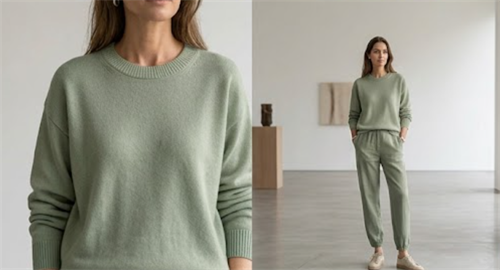
Natural fiber textiles remain a specialized segment, but their role in premium applications is becoming more visible.
Materials such as linen, hemp, and natural color cotton are attracting attention because they offer qualities that highly engineered fabrics do not always provide, including distinctive texture, natural appearance, and a stronger connection to raw materials.
Linen continues to be widely used in premium apparel and interior textiles because of its breathable structure and recognizable surface character. Features such as natural wrinkles and uneven texture, once considered limitations, are now often incorporated into relaxed luxury aesthetics.
Hemp textiles are also being explored by some brands because of their durability and unique fiber appearance. Rather than creating a completely uniform surface, hemp often retains a more visible material identity.
Natural color cotton represents another low-processing direction. By maintaining naturally occurring shades within the fiber, these materials provide an alternative to heavily dyed fabrics.
According to Textile Exchange, global fiber production reached approximately 150 million tonnes in 2023, highlighting the scale of the textile industry and the importance of improving material systems across the supply chain.
At the same time, natural fibers should not be viewed as replacing conventional materials. Their strongest adoption remains concentrated in premium fashion, home textiles, and sustainability-focused product categories.
Raw Textures Are Becoming a Design Feature in Selected Markets
One noticeable change in premium textile development is the changing perception of surface irregularity.
Traditionally, textile manufacturing focused on eliminating variation to achieve consistent appearance and performance. Today, some designers are intentionally incorporating raw textures to create fabrics with stronger visual and tactile character.
This includes:
· slub effects;
· uneven yarn structures;
· natural surface variations;
· textured linen and hemp fabrics.
A key distinction is that these irregularities are controlled design features rather than manufacturing defects.
For example, slub fabric is created through yarns with intentional thickness variations, producing a textured surface with greater visual depth. In premium applications, this effect can create a handcrafted appearance while maintaining production control.
The growing interest in raw textures reflects a broader design shift: some markets are beginning to value materials that reveal their origin rather than completely hide it.
Undyed Fabrics Reflect Growing Demand for Transparency
Undyed fabrics are gaining attention because they allow more of the original material characteristics to remain visible.
The interest behind undyed textiles is connected with several industry discussions:
· material traceability;
· lower processing;
· fiber transparency;
· responsible production.
For brands, undyed fabrics provide a way to communicate more about the material itself. Natural shades and subtle differences between batches can become part of the product story.
However, producing high-quality undyed fabrics still requires advanced textile control. Natural appearance does not mean inconsistent quality.
Manufacturers need to manage:
· fiber sourcing;
· yarn spinning;
· textile finishing;
· acceptable color variation.
The goal is to preserve meaningful natural characteristics while maintaining reliable commercial standards.
Luxury Brands Highlight the Value of Material Characteristics
Some luxury brands provide examples of how material qualities can influence product positioning.
Loro Piana is one example of a company that has built its reputation around rare natural fibers, textile craftsmanship, and sensory experiences.
Its focus on materials such as cashmere and vicuña demonstrates how fiber origin and material performance can contribute to perceived luxury value.
However, Loro Piana represents the ultra-luxury segment rather than the broader textile market. Its approach should be viewed as an example of premium material positioning, not evidence that all textile categories are moving in the same direction.
What These Trends Mean for Textile Manufacturers
For textile manufacturers, the growing interest in natural fibers and raw textures creates both opportunities and technical challenges.
The demand is not simply for “less processed” materials. Buyers increasingly expect fabrics that combine natural appearance with reliable performance.
This requires closer attention to:
· transparent fiber sourcing;
· specialized yarn development;
· controlled finishing processes;
· consistent quality management.
The future of premium textile development will likely depend on balancing two priorities: preserving recognizable material characteristics while meeting modern production requirements.
Natural Materials Are Adding New Dimensions to Textile Value
The growing interest in natural fibers, raw textures, and undyed fabrics represents an emerging direction within premium textile markets.
It does not signal the decline of synthetic fibers or industrial manufacturing. Performance, durability, and cost efficiency will continue to determine material choices across many applications.
Instead, these trends show that textile value is becoming more diverse. In some markets, materials are valued not only for what technology can add, but also for what production can preserve.
FAQ
What are the major textile industry trends in 2026?
Key textile industry trends in 2026 include growing interest in natural fiber textiles, material traceability, textured fabrics, and lower-processing approaches in selected markets.
Are natural fibers replacing synthetic fibers?
No. Natural fibers are expanding mainly in premium and specialized applications, while synthetic fibers remain important for performance-driven textile production.
Why are undyed fabrics becoming popular?
Undyed fabrics allow natural fiber characteristics to remain visible and support growing interest in transparency and material origin.