Brushed Nylon-Spandex Fabric Explained: Properties, Benefits and Uses in Yoga Wear
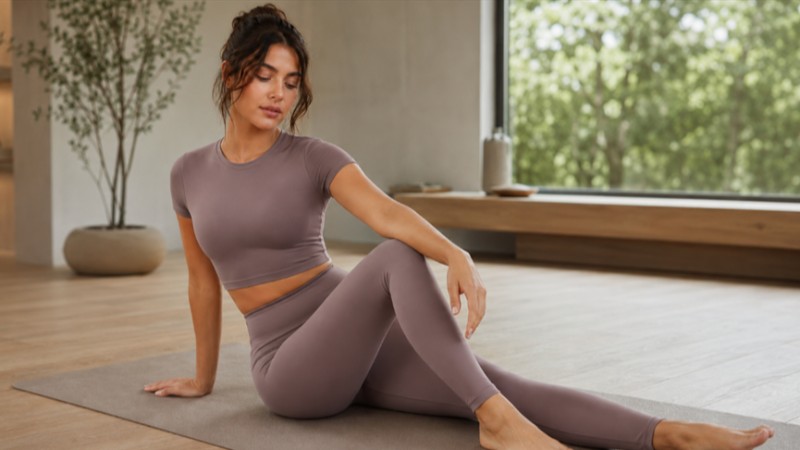
What Is Brushed Nylon-Spandex Fabric?
Brushed nylon-spandex fabric is a stretch textile made from nylon and spandex with a brushed surface finish that creates a softer hand feel, matte appearance, and improved next-to-skin comfort.
The fabric combines nylon's durability and spandex's elasticity, making it widely used in yoga leggings, activewear, and lifestyle apparel where softness, stretch recovery, and comfort are important performance factors.
Composition and Structure of Brushed Nylon-Spandex Fabric
Brushed nylon-spandex fabric is typically constructed from a blend of nylon (polyamide) and spandex (elastane). Each fiber contributes different performance characteristics.
Nylon provides:
· durability and abrasion resistance;
· smooth surface performance;
· strength and color retention.
Spandex provides:
· elasticity;
· stretch recovery;
· body-conforming fit.
Together, these fibers create a fabric that can stretch with movement while maintaining shape during repeated wear.
The key difference from standard nylon-spandex fabric comes from the finishing process. Brushing mechanically raises fine fibers on the fabric surface, creating a softer texture and reducing the smooth, technical feel of conventional performance fabrics.
Why Is Brushed Nylon-Spandex Popular in Yoga and Activewear?
The popularity of brushed nylon-spandex is closely related to changing expectations in yoga and lifestyle activewear.
Traditional performance sportswear often focused primarily on:
· compression;
· moisture management;
· durability.
However, yoga and low-impact activewear categories increasingly emphasize comfort, flexibility, and everyday wearability.
For these applications, consumers often look for fabrics described as:
· buttery soft;
· second-skin feel;
· lightweight;
· smooth against the skin.
Brushed nylon-spandex meets these expectations by providing a softer surface while maintaining the stretch performance required for leggings, tops, and fitted garments.
The key advantage is balance. The fabric offers a more comfortable touch than standard performance nylon while still providing the elasticity needed for movement.
How Brushing and Peach Skin Finishes Change Fabric Performance
The final performance and appearance of nylon-spandex fabrics depend not only on fiber composition but also on finishing technology.
Brushed Finish
A brushed finish uses mechanical processes to raise tiny fibers on the surface of the fabric.
This creates:
· a softer hand feel;
· reduced surface shine;
· a warmer and smoother touch.
The process is commonly used for fabrics designed for close skin contact, especially leggings and yoga apparel.
Peach Skin Finish
Peach skin finishing creates a fine, suede-like surface by lightly sanding or treating the fabric surface.
The result is a fabric with:
· subtle texture;
· soft matte appearance;
· smooth tactile quality.
Although both techniques improve softness, they must be carefully controlled. Excessive brushing can affect durability, surface stability, or long-term appearance.
Brushed Nylon-Spandex vs Traditional Nylon-Spandex: What Is the Difference?
Although both fabrics use similar fiber compositions, their surface characteristics and applications can differ.
Feature | Traditional Nylon-Spandex | Brushed Nylon-Spandex |
Surface | Smooth and sleek | Soft and matte |
Hand feel | Technical performance feel | Skin-friendly, plush feel |
Appearance | More reflective | Lower shine |
Typical applications | Training wear, compression garments | Yoga leggings, lifestyle activewear |
Traditional nylon-spandex remains valuable for high-performance applications where durability, moisture management, and compression are priorities.
Brushed nylon-spandex is often selected when comfort and tactile experience are equally important.
The choice depends on the end use rather than one fabric being universally better than the other.
How Manufacturers Balance Softness, Stretch and Durability
Developing high-quality brushed nylon-spandex requires careful control throughout fabric production.
Softness alone is not enough. Activewear fabrics must also maintain:
· stretch recovery;
· abrasion resistance;
· dimensional stability;
· color performance.
Manufacturers need to consider several factors:
Fiber quality:
Higher-quality nylon and spandex can improve durability and recovery after repeated stretching.
Fabric construction:
Knitting structure influences thickness, compression, breathability, and surface performance.
Finishing control:
Brushing intensity must be optimized to create softness without damaging the fabric structure.
This balance is especially important because consumers expect soft activewear to remain comfortable after frequent washing and repeated use.
Common Applications of Brushed Nylon-Spandex Fabric
Brushed nylon-spandex is mainly used in products where softness, stretch, and body comfort are important.
Common applications include:
Yoga Leggings
This is one of the most common uses because yoga garments require flexibility, comfort, and close skin contact.
Sports Bras and Fitted Tops
The fabric provides stretch support while maintaining a soft feel against the body.
Athleisure Apparel
As activewear increasingly overlaps with daily clothing, soft-touch fabrics are used in garments designed for both exercise and casual wear.
Bodysuits and Performance Basics
The combination of elasticity and comfort makes it suitable for fitted garments requiring freedom of movement.
Is Brushed Nylon-Spandex Suitable for All Sports?
No. Brushed nylon-spandex is not a universal replacement for all activewear fabrics.
It performs particularly well in:
· yoga;
· Pilates;
· studio workouts;
· lifestyle activewear.
For high-intensity sports, manufacturers may prioritize different properties, such as:
· maximum moisture transfer;
· extreme abrasion resistance;
· stronger compression;
· fast drying performance.
For example, running, outdoor training, and competitive sportswear often require specialized fabric constructions beyond softness.
The best fabric choice depends on the balance between comfort, performance, and end-use requirements.
Why Soft-Touch Activewear Fabrics Are Gaining Attention
The development of brushed nylon-spandex reflects a broader change in activewear design: performance is no longer defined only by technical features.
For many consumers, especially in yoga and lifestyle categories, comfort has become a key part of product value.
Soft-touch fabrics demonstrate how textile innovation can focus not only on adding new functions but also on improving everyday wearing experience.
For manufacturers and brands, the challenge is creating fabrics that deliver both sensory appeal and reliable performance.
Brushed nylon-spandex represents one example of how finishing technology can transform a familiar fiber blend into a more differentiated textile solution.
FAQ
What is brushed nylon-spandex fabric?
Brushed nylon-spandex fabric is a stretch textile made from nylon and spandex fibers with a brushed surface finish that creates a softer feel and matte appearance.
Is brushed nylon good for leggings?
Yes. Brushed nylon is commonly used for yoga leggings and lifestyle activewear because it provides softness, stretch, and a comfortable next-to-skin feel.
What is the difference between brushed nylon and peach skin fabric?
Both use surface treatments to improve softness. Brushed nylon raises fine fibers on the surface, while peach skin finishing creates a smoother, suede-like texture through fine surface abrasion.
Does brushed nylon-spandex lose elasticity?
High-quality brushed nylon-spandex can maintain elasticity well when produced with appropriate fiber quality and finishing control. Performance depends on fabric construction and care conditions.