EU Moves to Ban Destruction of Unsold Clothing from July 19, 2026
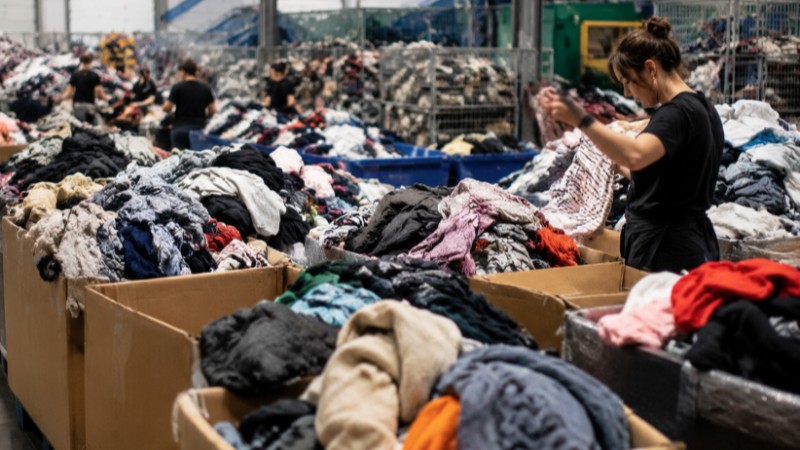
The European Commission has adopted new measures under the Ecodesign for Sustainable Products Regulation (ESPR) that will prohibit large companies from destroying unsold clothing, fashion accessories, and footwear starting July 19, 2026.
The move marks one of the EU's most visible steps so far to curb inventory waste in the apparel sector and push brands toward resale, donation, repair, remanufacturing, and reuse rather than destruction. For fashion businesses operating in Europe, the change is not just a sustainability signal — it is a compliance shift with direct operational consequences.
What the EU has decided
According to the Commission, the new rules apply first to large companies and include specific derogations, meaning the ban is not absolute. Exceptions remain possible in limited cases such as safety concerns or damaged products, but firms will need to justify those cases under the framework set by the regulation.
The Commission has also introduced disclosure requirements for unsold consumer products, adding a transparency layer on top of the destruction ban. In practice, that means companies will need to document and report how unsold goods are handled, which should make disposal decisions more visible to regulators and the public.
Why this matters
The new rules target a long-criticized practice in which unsold apparel is burned, buried, or otherwise destroyed instead of being recovered through circular channels. That shift matters because inventory disposal has historically been a low-visibility part of the fashion supply chain, often outside the scrutiny applied to manufacturing or sourcing.
For brands, the policy raises the cost of inaction. Firms that still depend on destruction as a routine stock management tool will need to rethink overproduction, warehouse planning, returns handling, and end-of-season markdown strategies. The regulation also signals that the EU wants to move the industry toward measurable circularity rather than voluntary sustainability claims.
Timeline to watch
• February 2026: The European Commission announced the new measures under ESPR and confirmed the policy direction for apparel and footwear.
• July 19, 2026: The ban on destruction of unsold clothing, accessories, and footwear takes effect for large companies.
• 2030: Medium-sized companies are expected to follow, extending the policy's reach deeper into the market.
• Ongoing: Firms will need to watch for enforcement guidance, reporting formats, and any member-state level implementation details that may shape how the rules are applied in practice.
What companies should watch next
The most important follow-up issue is enforcement. The regulation sets the direction, but the real impact will depend on how national authorities interpret exemptions, inspect disclosures, and verify compliance.
Another key issue is reporting. Standardized disclosure requirements will likely become one of the most important tools for regulators, because they turn inventory disposal from an internal business matter into a visible compliance obligation.
A third point to monitor is whether the EU broadens the approach beyond apparel and footwear. The current move is focused on clothing, accessories, and shoes, but it fits a broader policy pattern under ESPR that could influence other product categories over time.
Outlook
For now, the EU's message is clear: destroying unsold fashion products is moving from a tolerated business practice to a restricted exception. That is likely to reshape how brands plan production, manage excess inventory, and communicate sustainability claims in the months ahead.