What Is Knit Fabric? Structure, Properties, and Key Differences
Introduction
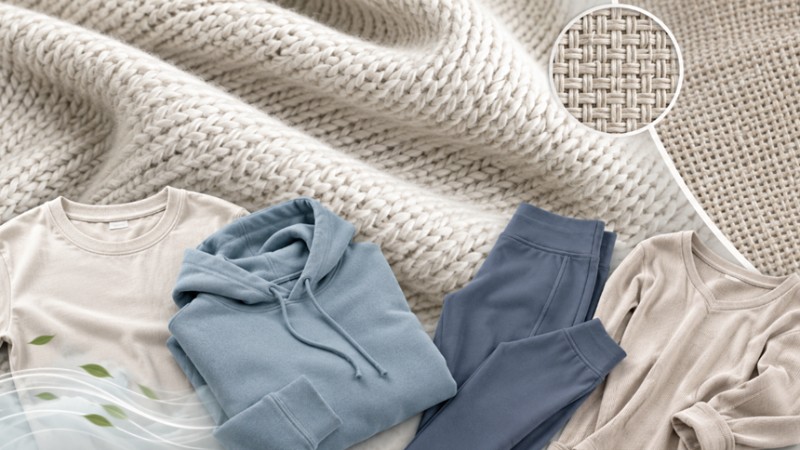
Knit fabric is a textile material made by interlocking yarn loops rather than weaving yarns in a crisscross pattern. This loop-based structure gives knit fabrics their natural stretch, softness, and comfort, making them widely used in everyday clothing such as t-shirts, activewear, and casual garments.
Compared with woven fabrics, knit fabrics are generally more flexible and adaptable to body movement. This difference in structure directly affects how the fabric feels, performs, and is used in apparel design.
To understand knit fabrics clearly, it is essential to look at how they are constructed, what properties they offer, and how they differ from woven textiles.
What Is Knit Fabric?
Knit fabric refers to a category of textiles formed by connecting yarns through a series of interlocking loops. Instead of crossing yarns at right angles like woven fabrics, knit fabrics build structure through continuous looping.
This loop-based construction is what gives knit fabrics their unique behavior:
· Natural stretchability without elastane in many cases
· Soft hand feel and drape
· Improved comfort for body movement
· Lightweight or medium-weight flexibility depending on structure
Knit fabrics can be made from different fibers such as cotton, polyester, viscose, wool, or blended materials. The fiber choice influences the final performance, but the defining feature remains the loop construction.
How Knit Fabric Is Constructed (Structure)
The structure of knit fabric is based on a series of interconnected loops formed from a single yarn or multiple yarn systems.
Unlike woven fabrics that rely on horizontal (weft) and vertical (warp) yarn intersections, knit fabrics rely on loop formation. These loops are stacked and linked in rows, allowing the fabric to expand and contract naturally.
There are two primary structural categories:
· Weft knit (horizontal construction):
Loops are formed horizontally across the fabric. This structure is more common in apparel and provides higher stretch and comfort.
· Warp knit (vertical construction):
Loops are formed vertically along the length of the fabric. This type is generally more stable and less prone to deformation.
The loop structure is also responsible for one of the most important characteristics of knit fabrics: elasticity. Because loops can move and adjust under tension, the fabric naturally stretches without breaking its structure.
Key Properties of Knit Fabrics
Knit fabrics are widely used in the textile and apparel industry because of their balanced combination of comfort and flexibility. Their key properties include:
1. Stretchability
Knit fabrics naturally stretch due to their looped structure. This stretch can occur in one direction or multiple directions depending on the knit type. This makes them ideal for garments that require movement, such as t-shirts, leggings, and sportswear.
2. Breathability
The loop structure often creates small air gaps within the fabric, allowing better airflow compared to tightly woven fabrics. This improves comfort in warm or active conditions.
3. Softness and Comfort
Knit fabrics generally feel softer against the skin. This is because the looped structure does not create rigid intersections like woven fabrics, resulting in a smoother surface and more flexible drape.
4. Wrinkle Resistance
Due to their elastic structure, knit fabrics tend to resist wrinkling more effectively than many woven fabrics. They can recover shape more easily after stretching or folding.
5. Drape and Flexibility
Knit fabrics conform more easily to body shapes, making them suitable for fitted or casual clothing where comfort and movement are important.
Knit Fabric vs Woven Fabric: Key Differences
One of the most important concepts in understanding textiles is the difference between knit and woven fabrics. These two categories are defined by their construction methods and resulting performance.
Feature | Knit Fabric | Woven Fabric |
Structure | Interlocking yarn loops | Interlaced yarns (warp & weft) |
Stretchability | High natural stretch | Low or limited stretch |
Softness | Generally soft and flexible | More structured and firm |
Breathability | Often higher airflow | Depends on weave density |
Wrinkle Behavior | More wrinkle-resistant | More prone to creasing |
Common Uses | T-shirts, activewear, loungewear | Shirts, suits, denim, upholstery |
Knit fabrics prioritize comfort and flexibility, while woven fabrics focus on structure and durability. This fundamental difference determines their use in clothing design and textile engineering.
Common Types of Knit Fabrics (Overview)
Although this article focuses on general knit fabric structure, it is useful to understand the most common types that appear in apparel manufacturing:
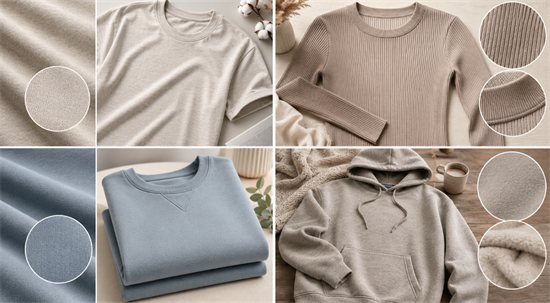
Jersey Knit
Jersey knit is the most widely used knit structure, known for its lightweight, smooth surface, and comfort. It is commonly used in t-shirts and casual tops.
Rib Knit
Rib knit features alternating raised and lowered columns, giving it high elasticity. It is often used in cuffs, collars, and fitted garments.
Interlock Knit
Interlock knit is a double-knit structure that is thicker and more stable than jersey. It provides a smoother surface and better shape retention.
Fleece Knit
Fleece knit fabrics are brushed to create a soft inner surface, making them ideal for warm clothing such as hoodies and sweatshirts.
These types all share the same foundational loop construction but differ in density, thickness, and elasticity.
Why Knit Fabrics Are Widely Used in Apparel
Knit fabrics dominate modern clothing production because they align well with consumer expectations for comfort, mobility, and ease of wear.
They are especially suitable for:
· Everyday casual clothing
· Sports and activewear
· Underwear and base layers
· Seasonal garments requiring flexibility
In addition, knit fabrics adapt well to different fiber compositions, allowing manufacturers to design fabrics with targeted performance such as cooling, warmth, or moisture management.
This versatility makes knit fabrics one of the most important material categories in the global textile industry.
Key Takeaways
Knit fabric is a fundamental textile category defined by its loop-based structure rather than woven intersections. This structure gives it natural stretch, softness, and comfort, making it ideal for a wide range of clothing applications.
Understanding how knit fabrics are constructed and how they differ from woven fabrics is essential for selecting the right material in apparel design. From lightweight jersey knits to structured interlock fabrics, knit textiles offer flexible solutions across fashion, sportswear, and everyday clothing.
As textile innovation continues, knit fabrics remain at the core of modern apparel due to their adaptability, comfort, and performance potential.