What is Bamboo Fabric? A Complete Guide to Benefits, Uses, and Care
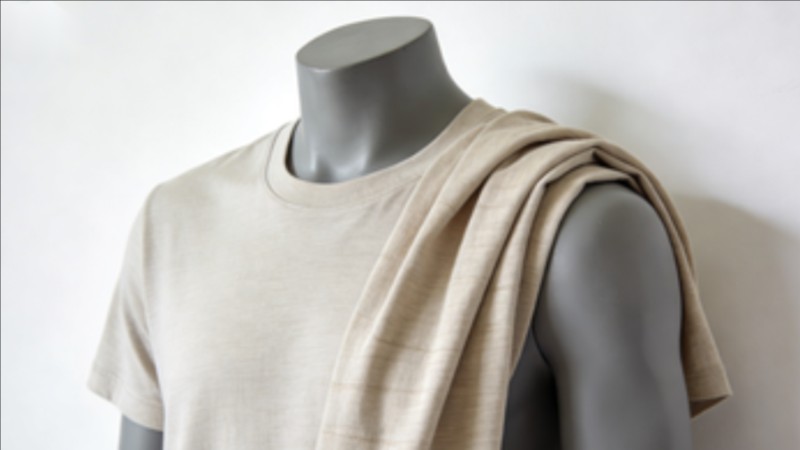
You've likely seen the label on sheets, t-shirts, or towels: "made from bamboo." But what is bamboo fabric, really? Is it the eco-friendly miracle textile it's often claimed to be, or is there more to the story? This guide cuts through the marketing to give you a clear, balanced look at this popular material, from its production to its performance in your home.
What is Bamboo Fabric? Understanding the Basics
At its core, bamboo fabric is a textile made from the pulp of the bamboo plant. Bamboo is a fast-growing grass, not a tree, which is key to its sustainability story. The resulting fabric is celebrated for its exceptional softness, often compared to silk or cashmere, and its natural breathability. However, not all bamboo fabric is created equal. There are two primary types, and the difference between them is significant.
The Two Main Types: Bamboo Viscose vs. Bamboo Linen
The vast majority of bamboo fabric on the market is bamboo viscose (or bamboo rayon). This is a chemically processed fabric where bamboo pulp is dissolved and regenerated into smooth, silky fibers. A much rarer type is bamboo linen, made through a mechanical process similar to creating flax linen, resulting in a stiffer, more textured fabric. When people ask "what is bamboo fabric?" they are almost always referring to the soft, drapey bamboo viscose.
How is Bamboo Fabric Made? From Plant to Textile
The journey from sturdy bamboo stalk to soft fabric explains a lot about its final properties and environmental impact. The process differs dramatically depending on whether the goal is viscose or linen.
The Bamboo Viscose (Rayon) Process
This is the dominant method. First, bamboo is crushed into a pulp. This pulp is then dissolved using chemical solvents like sodium hydroxide and carbon disulfide to create a viscous solution. This solution is forced through tiny spinnerets (like a showerhead) into a chemical bath, where it solidifies into fine filaments. These filaments are spun into yarn and then woven or knitted into fabric. The process is effective at creating a luxuriously soft fiber but involves significant chemical processing.
The Bamboo Linen (Mechanical) Process
This traditional method is more eco-friendly but less common. It involves mechanically crushing the woody parts of the bamboo plant and using natural enzymes to break down the walls, freeing the natural fibers. These fibers are then combed and spun into yarn. The result is a fabric with a texture closer to hemp or traditional linen—durable, breathable, but not as soft as its viscose counterpart.
Bamboo Fabric Pros and Cons: A Balanced View
Understanding the advantages and limitations helps you decide if it's right for your needs.
Key Benefits of Bamboo Fabric
Extremely Soft: Has a smooth, silky hand-feel that becomes softer with washing.
Breathable & Moisture-Wicking: The fibers are highly porous, pulling moisture away from the skin and allowing for excellent air circulation.
Temperature Regulating: Helps keep you cool in summer and warm in winter.
Hypoallergenic & Odor-Resistant: Naturally resists bacteria and dust mites, making it a good choice for sensitive skin.
Potential Drawbacks and Considerations
Chemical Processing: The viscose method uses harsh chemicals, raising environmental and worker safety concerns if not managed properly.
Durability: Bamboo viscose can be less durable than cotton, especially when wet, and may pill over time.
Cost: Often more expensive than conventional cotton.
Care Requirements: Generally requires gentler washing and drying to maintain its integrity.
Is Bamboo Fabric Sustainable? An Honest Look
The sustainability of bamboo fabric is a nuanced topic. The answer depends largely on which part of the lifecycle you examine.
The Sustainable Strengths of Bamboo
Bamboo the plant is remarkably sustainable. It's one of the fastest-growing plants on Earth, requires no pesticides, little irrigation, and helps sequester carbon and prevent soil erosion. This makes the raw material highly renewable.
The Environmental Debate Around Processing
The catch lies in manufacturing. The chemical process for bamboo viscose can pollute if solvents are not recovered in a closed-loop system. The key for eco-conscious consumers is to look for certifications. OEKO-TEX® ensures the final fabric is free of harmful substances, while FSC certification indicates the bamboo was sourced from responsibly managed forests. Brands using a "closed-loop" lyocell-type process (often called "bamboo lyocell") represent the most sustainable version of bamboo viscose.
Bamboo Fabric vs. Cotton: A Detailed Comparison
How does this newer material stack up against the classic natural fiber? Here’s a breakdown.
Feel, Performance, and Durability
Bamboo viscose is typically softer and more lustrous than standard cotton. It outperforms cotton in breathability and moisture-wicking, making it feel cooler against the skin. However, high-quality cotton (like long-staple or Pima) can be very soft and is generally more durable and easier to care for than bamboo viscose.
Environmental Impact and Care Requirements
Conventional cotton farming is water and pesticide-intensive. Organic cotton solves many of these issues but still grows slower than bamboo. In processing, standard bamboo viscose uses more chemicals, while conventional cotton uses significant bleaches and dyes. Care-wise, bamboo often requires cold water and air drying, while cotton is more forgiving with warm washes and medium-heat drying.
Common Uses and Best Applications for Bamboo Fabric
Thanks to its properties, bamboo fabric excels in specific categories.
Apparel and Bedding
Its softness and breathability make it ideal for underwear, t-shirts, socks, and loungewear. In bedding, bamboo sheets and duvet covers are prized for their temperature regulation and silky feel, offering a cooling alternative to flannel or sateen cotton.
Towels and Other Home Textiles
Bamboo bath towels and robes are highly absorbent and dry quickly. Its hypoallergenic nature also makes it a popular choice for baby clothing, blankets, and sensitive skin products.
How to Care for Bamboo Fabric to Make It Last
Proper care extends the life of your bamboo textiles and maintains their softness.
Washing and Drying Guidelines
Wash in cold or warm water on a gentle cycle with a mild detergent. Avoid bleach and fabric softeners. To prevent shrinkage and damage, air-drying is best. If using a dryer, choose the lowest heat setting and remove items while slightly damp.
Ironing and General Maintenance Tips
Bamboo fabric wrinkles less than cotton but can be ironed on a low heat setting if needed. Store items in a cool, dry place. Treat stains promptly with a gentle spot treatment.
Final Thoughts: Is Bamboo Fabric Right for You?
Bamboo fabric offers a compelling mix of luxury, comfort, and performance. If your priority is ultra-soft, breathable bedding or clothing, and you can commit to gentle care routines, it's an excellent choice. For those focused on environmental impact, seek out brands with strong certifications (OEKO-TEX, FSC) or those using closed-loop processing. Ultimately, understanding what bamboo fabric is—both its brilliant benefits and its complex production—empowers you to make the best choice for your wardrobe and your values.
Frequently Asked Questions About Bamboo Fabric
Is bamboo fabric better than cotton?
"Better" depends on your needs. Bamboo is often softer, more breathable, and cooler. Cotton is typically more durable, easier to care for, and has more sustainable (organic) options that are easier to verify.
Does bamboo fabric shrink?
Yes, bamboo viscose can shrink, especially if washed in hot water or put in a high-heat dryer. Always follow care labels recommending cold water and air or low-heat drying.
Is bamboo fabric good for sensitive skin or allergies?
Yes, its natural hypoallergenic and antibacterial properties make it a great choice for sensitive skin, eczema, or allergies, as it resists dust mites and odor-causing bacteria.
Is bamboo fabric biodegradable?
Pure bamboo fiber is biodegradable. However, the chemical treatments used in viscose production and any synthetic blends (e.g., bamboo with spandex) will affect how quickly and completely it breaks down.
Why is some bamboo fabric so expensive?
Cost reflects processing complexity, quality of chemical recovery systems, and certifications. Ethically produced bamboo from closed-loop systems and certified organic sources involves higher manufacturing costs, which are passed to the consumer.