Bamboo vs Cotton Sheets: Which is Better?
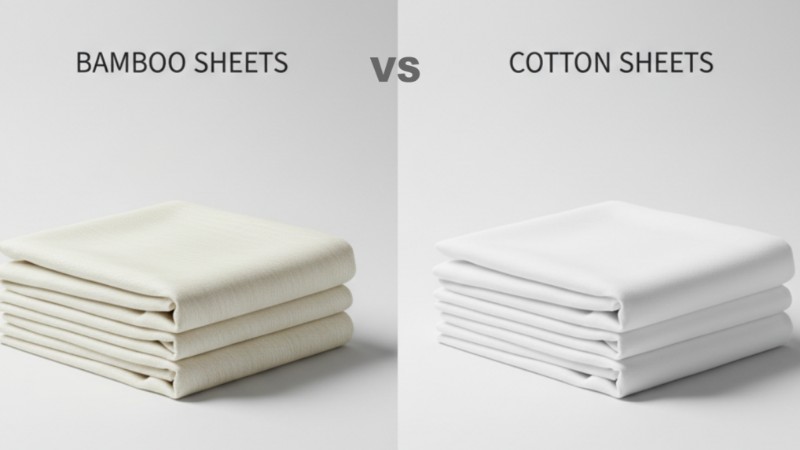
Choosing the right sheets can transform your sleep, but the debate between bamboo and cotton leaves many tossing and turning. Both promise comfort, but their performance in breathability, feel, and longevity differs significantly. Your ideal choice depends on your sleep style, climate, and personal priorities.
We’ll cut through the marketing to compare these popular materials head-to-head. You’ll get a clear breakdown of how they handle temperature, feel against your skin, and stand up to washing, helping you invest in restful nights.
Material Breakdown: From Plant to Fabric
Understanding what you're buying starts with the source. Cotton is a natural fiber harvested from the cotton plant's boll. Its quality varies, with long-staple varieties like Egyptian or Pima offering superior softness and strength. Bamboo sheets, however, are not woven from raw bamboo strands. The bamboo plant is processed into a pulp, then regenerated into a soft fiber called viscose or lyocell rayon.
This manufacturing process is key. It gives bamboo viscose its signature silky feel and moisture-wicking properties, but it also means the sustainability story is more complex than simply "bamboo." Look for certifications like OEKO-TEX for safety and FSC for responsible bamboo sourcing.
The Cooling Showdown: Temperature Regulation
If you sleep hot, temperature regulation is your top sheet priority. This is where the bamboo sheets cooling effect truly shines. Bamboo viscose is highly absorbent, pulling moisture away from your skin and allowing it to evaporate quickly. This inherent wicking ability provides a noticeably cool, dry feel throughout the night.
Cotton is breathable but absorbs moisture more slowly and retains it. For hot sleepers, lightweight, percale-weave cotton is the best cotton option due to its crisp, airy structure. However, in a direct test for heat dissipation, bamboo often has the edge. So, are bamboo sheets good for hot sleepers? Typically, yes. Their moisture management makes them a top contender for anyone prone to night sweats or living in a warm climate.
Feel and Comfort: Silky vs. Crisp
Hand feel is subjective but crucial. Bamboo sheets are famous for their luxuriously soft, silky, and often slightly heavier drape. They feel smooth and cool to the touch immediately. Cotton offers a more familiar, classic range. A high-thread-count sateen cotton is soft and lustrous, while percale cotton provides a crisp, cool, and matte finish that many prefer for its "hotel bed" feel.
Your preference here is personal. Do you love the slippery, luxurious feel of satin, or the structured, breathable crispness of a classic cotton sheet? This distinction often decides the bamboo vs cotton sheets debate before any other factor.
Durability and Care: Which Sheet Lasts Longer?
Long-term value matters. High-quality, long-staple cotton sheets are incredibly durable and often become softer with age. With proper care, they can last for many years. The question of bamboo sheets durability is nuanced. Bamboo viscose is inherently less strong than cotton fiber, making it more prone to pilling and wear over time, especially with aggressive washing.
Care instructions differ:
Bamboo: Wash in cold water on a gentle cycle. Avoid high heat in the dryer; use low heat or air fluff. Do not use bleach or fabric softeners.
Cotton: More forgiving. Can typically handle warm water and medium dryer heat. Bleach can be used on white cotton (with caution).
Proper care extends the life of both, but cotton generally offers more resilience against daily wear and tear.
Organic Cotton vs Bamboo Sheets: The Eco-Conscious Choice
For the environmentally minded shopper, the organic cotton vs bamboo sheets comparison is vital. Certified organic cotton is grown without synthetic pesticides, using less water than conventional cotton (though still a thirsty crop). It supports healthier soil and is fully biodegradable.
Bamboo is a fast-growing, renewable grass that requires little water and no pesticides. However, the chemical process to create viscose rayon can involve harsh solvents unless it uses a closed-loop system (look for TENCEL™ Lyocell from bamboo). The "greenest" sheet balances a renewable resource with a responsible manufacturing process.
Making Your Final Decision
The best sheet for you isn't about a universal winner, but about matching fabric to your needs. Prioritize bamboo if you are a hot sleeper who values a silky-soft, cooling feel and don't mind gentler care routines. Choose high-quality cotton if you prefer a classic, crisp, or broken-in feel, need maximum durability, and want low-maintenance laundering.
Consider your climate, your sensitivity to temperature, and what texture helps you relax. Investing in the right bamboo vs cotton sheets is an investment in better sleep, night after night.
Common Questions About Bed Sheets
Do bamboo sheets really keep you cooler?
Yes, for most people. Bamboo's superior moisture-wicking pulls sweat away from your skin faster than cotton, creating a cooler sleeping surface, which is ideal for warm climates or hot sleepers.
Are bamboo sheets good for sensitive skin?
Often, yes. Bamboo viscose is naturally smoother with longer fibers, reducing friction. It's also less likely to harbor dust mites. Look for OEKO-TEX certified sheets to ensure no harmful chemicals are present.
Which type of sheets are most durable?
Long-staple cotton sheets, like Egyptian or Pima, are generally the most durable. They withstand frequent washing and high heat better than bamboo viscose, which requires more delicate care to prevent pilling.
What is the difference between bamboo viscose and bamboo lyocell?
Both start with bamboo pulp. Viscose uses a chemical process that can be more polluting. Lyocell (like TENCEL™) uses a closed-loop system that recycles almost all solvents, making it the more environmentally friendly bamboo fabric option.