What Is Poplin Fabric? A Guide to Its Uses, Benefits, and Characteristics
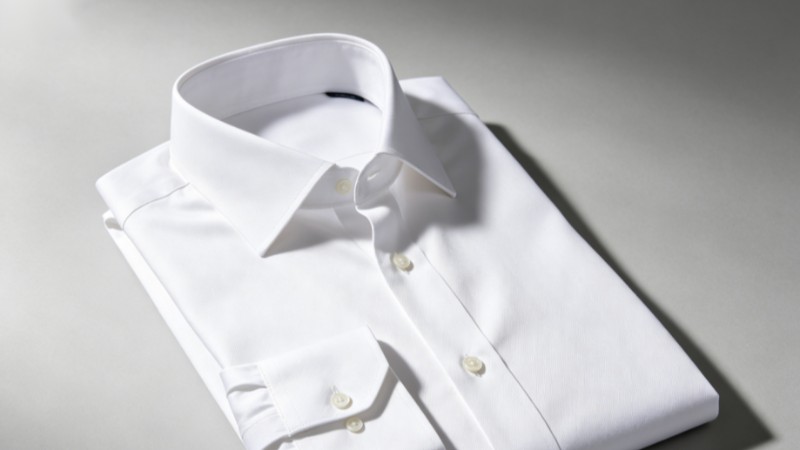
When you reach for a crisp, comfortable dress shirt or a structured summer dress, there's a good chance you're touching poplin fabric. This classic textile is a cornerstone of wardrobes for good reason. But what exactly is poplin, and what makes it so versatile? This guide breaks down everything you need to know.
What Is Poplin Fabric? A Simple Definition
At its core, poplin is a plain-weave fabric known for its smooth, flat surface and subtle ribbed texture. It's defined by a specific construction method that balances durability with a refined feel, making it a perennial favorite for tailored garments.
Understanding the Plain Weave Structure
Poplin is created using a basic plain weave. This means the warp (vertical) and weft (horizontal) threads cross over and under each other in a simple, tight, one-over-one-under pattern. This tight interlacing is what gives poplin its characteristically smooth finish and prevents it from being too sheer.
The Role of Fine Warp and Coarser Weft
The magic of poplin's texture lies in its yarns. Finer warp threads are crossed with a slightly thicker, coarser weft thread. This difference in yarn size creates a very fine, almost imperceptible crosswise rib or corded effect. It's this structure that provides the fabric's signature crisp hand-feel and lightweight strength.
Key Characteristics and Benefits of Poplin
Understanding the construction explains why poplin fabric boasts a specific set of desirable qualities. These characteristics directly translate to its popularity in fashion.
Crisp, Smooth, and Durable
Poplin offers a clean, structured drape that holds its shape well. The tight weave results in a smooth surface that feels polished against the skin. Despite its lightweight nature, this same tight weave makes it surprisingly durable and resistant to pilling, ensuring garments look sharp wear after wear.
Breathable and Versatile
The plain weave allows for good air circulation, making cotton poplin fabric an excellent choice for warm-weather clothing. Its versatility is unmatched; it can be finished with a high sheen for formal wear, dyed in vibrant colors, printed with patterns, or left in a soft matte state for casual pieces.
Common Uses of Poplin Fabric in Fashion
The properties of poplin make it ideally suited for specific types of garments. Its primary poplin fabric uses revolve around structured yet comfortable clothing.
The Ideal Shirt Fabric: From Dress Shirts to Casual Styles
Poplin is arguably the gold standard for dress shirts and blouses. Its crispness provides a neat, professional silhouette that holds up to tucking and layering under suits. The same qualities translate perfectly to casual button-downs and polo shirts, offering a polished look without sacrificing comfort.
A Staple for Dresses and Lightweight Garments
For dresses, poplin provides structure where flimsier fabrics might fail. It's a top choice for shift dresses, shirt dresses, sundresses, and skirts, where a defined shape and breathability are key. It handles pleats and seams cleanly, contributing to a tailored finish.
Poplin vs. Oxford Fabric: Understanding the Difference
Both are popular shirting fabrics, but they serve different purposes. The poplin vs oxford fabric debate often comes down to texture and formality.
Weave and Texture: Smooth vs. Basketweave
Poplin uses a tight plain weave for a smooth surface. Oxford cloth uses a basket weave (typically 2x1 or 2x2), where multiple threads are woven together. This gives oxford a more textured, slightly rougher, and heavier feel with a more visible checkerboard pattern.
Formality and Use Cases
Poplin's smoothness lends itself to dressier, more formal shirts. Oxford's rugged, soft texture is inherently more casual. Think of poplin for business attire and oxford for weekend or business-casual settings. Oxford is also generally more wrinkle-resistant.
Caring for Your Poplin Garments
Proper care will keep your poplin clothing looking crisp and new for years. Follow these simple guidelines.
Washing and Drying Best Practices
Most poplin, especially cotton, can be machine washed on a gentle cycle with cool or warm water. To maintain its crispness, air-drying is ideal. If using a dryer, choose a low heat setting and remove items promptly to minimize wrinkles. Iron while slightly damp on a medium-to-high heat for a sharp finish.
Tips to Prevent Wrinkling and Maintain Shape
Hang poplin shirts and dresses immediately after drying. For storage, use padded hangers to support the shoulders. Light steaming can quickly refresh the fabric between wears without the need for a full ironing session.
Final Thoughts: Is Poplin Right for You?
Poplin fabric is the answer if you value a crisp, polished look combined with everyday comfort and durability. It's perfect for anyone who needs reliable shirts for the office or seeks structured yet breathable dresses for warmer months. By understanding its characteristics—the smooth weave, the crisp hand-feel, the easy care—you can confidently choose garments that will become enduring staples in your wardrobe. The versatility of poplin fabric ensures it has a place in nearly every style.
FAQ: Your Poplin Fabric Questions Answered
Is cotton poplin fabric good for summer?
Yes, it's excellent. Cotton poplin is breathable and lightweight, making it a top choice for hot weather while still providing structure.
Does poplin wrinkle easily?
It can wrinkle, but typically less than lighter silks or linens. Its crisp nature means wrinkles are often easy to press out with an iron or steamer.
Can poplin fabric be used for suits or formal trousers?
While occasionally used for lightweight summer suits, poplin is more common in shirts and dresses. Suits and trousers typically use heavier, more drapey fabrics like wool or tropical wool.
How does poplin differ from broadcloth?
They are very similar and often used interchangeably. Traditionally, broadcloth was a denser, woolen fabric, but today both refer to a fine, plain-weave cotton shirting with a smooth finish.