What Is Chiffon Fabric? A Complete Guide to Its Properties and Uses
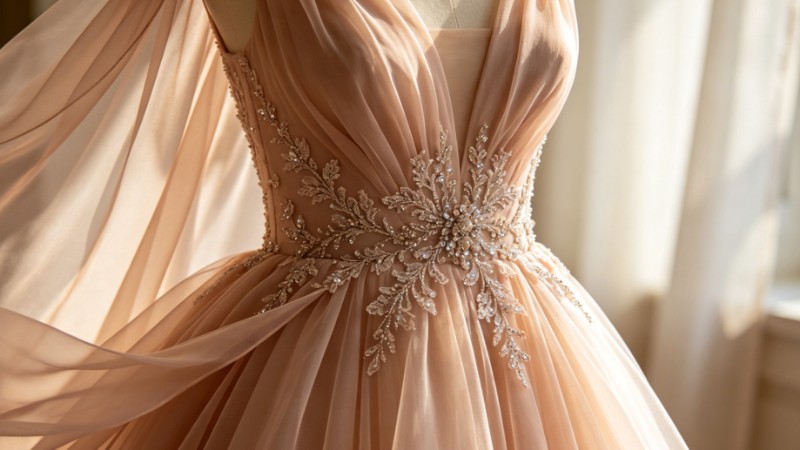
Flowing, ethereal, and synonymous with elegance, chiffon fabric is a cornerstone of fashion design. Its delicate appearance belies a unique structure that makes it a favorite for special occasions. This guide will explain exactly what chiffon is, why its properties make it so desirable, and its primary role in creating beautiful dresses.
Defining Chiffon: A Look at the Fabric's Material and History
So, what is chiffon fabric? At its core, chiffon is a lightweight, sheer, plain-woven textile known for its slight roughness and graceful drape. Historically, it was made exclusively from silk, making it a luxury item. Today, modern manufacturing has expanded the chiffon fabric material palette to include more accessible synthetic fibers, broadening its use while retaining its classic look.
What Is Chiffon Fabric Made Of?
The base material defines the character and cost of the chiffon. Traditional silk chiffon offers unparalleled softness and a luminous sheen but requires delicate care. Polyester chiffon is far more common, providing excellent durability, wrinkle resistance, and affordability. Nylon and rayon versions also exist, offering variations in drape, sheen, and texture to suit different applications.
The Unique Weave: How Chiffon Gets Its Sheer, Flowy Look
Regardless of the fiber, all chiffon shares a specific construction. It uses a plain weave where highly twisted yarns are woven in an alternating over-and-under pattern. These tightly twisted threads are what give chiffon its signature slight puckering and textured feel. The same twist creates tiny gaps in the weave, resulting in the fabric's beautiful sheerness and airy quality.
Key Properties and Characteristics of Chiffon Fabric
Understanding chiffon fabric properties is key to knowing how to use it. Its behavior is a direct result of its unique construction.
Sheerness and Drape: The Hallmark of Elegance
The most defining property of chiffon is its elegant, fluid drape. It doesn't hang stiffly; it moves with the body, creating soft folds and a flattering silhouette. Its sheerness adds a layer of delicate mystery, making it perfect for overlays and layers that hint at what's beneath without being opaque.
Strength vs. Delicacy: Understanding Durability and Care
Chiffon presents a fascinating paradox. The twisted yarns make it stronger than its delicate appearance suggests, offering good tensile strength. However, its loose weave and fine threads make it prone to snagging on rough surfaces or jewelry. It can also fray easily if not finished properly, requiring careful handling during sewing and wear.
Why Is Chiffon So Popular for Dresses?
When you see a dress that seems to float as the wearer moves, chances are it's made of chiffon. This directly answers the common query: why is chiffon used in dresses? The reasons are both aesthetic and practical.
Creating Movement and Elegance on the Body
Chiffon's lightweight drape is unparalleled. In dresses, it creates a romantic, ethereal silhouette that is both flattering and graceful. Whether it's a flowing maxi dress, a ballgown skirt, or a sleek evening gown, chiffon adds a dimension of movement that static fabrics cannot achieve, making it ideal for formal events, weddings, and red-carpet looks.
Versatility in Styling and Layering
Designers love chiffon for its versatility. It can be used for an entire dress or as an accent. Sheer chiffon sleeves add coverage without weight, while layered skirts create volume and drama. As an overlay over a satin or silk slip, it adds texture and depth. This ability to layer beautifully without adding bulk is a key advantage in dress design.
Common Uses of Chiffon Fabric Beyond Dresses
While dresses are its flagship application, chiffon fabric uses extend across fashion and decor. Its properties make it suitable for any item where flow and lightness are desired.
Fashion and Accessory Applications
Beyond dresses, chiffon is a staple for blouses, scarves, and elegant wraps. It's used in lingerie for delicate overlays and in the fashion industry for bridal veils and flowing sashes. Its breathability and drape also make it a popular choice for lightweight summer tops and palazzo pants.
Decorative and Special Occasion Uses
The fabric's dramatic effect is leveraged in stage costumes for dancers and performers, where movement is central. In home decor, chiffon is used for sheer curtains and decorative table overlays, filtering light softly. Its ability to take dye beautifully also makes it perfect for vibrant festival wear and accessories.
Chiffon vs. Silk: Understanding the Key Differences
A common point of confusion is the relationship between chiffon and silk. Are they the same? Not exactly. This comparison clarifies the chiffon vs silk fabric question.
Material Composition and Feel
Silk is a natural protein fiber produced by silkworms. Chiffon, however, is a type of weave. You can have silk chiffon (chiffon made from silk fibers) or polyester chiffon (chiffon made from polyester fibers). Silk chiffon is incredibly soft, with a rich luster and a luxurious hand-feel. Synthetic chiffon is slightly crisper and can have a more pronounced sheen.
Practical Considerations: Care, Cost, and Use Cases
Silk chiffon is delicate, often requiring hand washing or dry cleaning, and is more expensive. Polyester chiffon is machine-washable (on gentle), more wrinkle-resistant, and affordable. For a high-end, luxurious garment, silk chiffon is superior. For a durable, easy-care option for frequent wear or event decor, polyester chiffon is the practical choice.
How to Choose and Care for Chiffon Garments
Knowing how to select and maintain chiffon will ensure your garments last. A little knowledge goes a long way in preserving its beauty.
Selecting the Right Chiffon for Your Needs
Consider the occasion and budget. For a wedding gown or a special investment piece, silk chiffon offers unmatched luxury. For a party dress, bridesmaid gown, or decorative item, high-quality polyester chiffon provides the look without the fuss or high cost. Always feel the fabric; better-quality synthetics will mimic the soft drape of silk more closely.
Essential Care Tips for Longevity
To care for chiffon, always check the label. When in doubt, hand-wash in cool water with a mild detergent. Never wring it out; instead, press water out gently between towels. Lay flat or hang to dry away from direct sunlight. Use a cool iron on the steam setting, preferably with a press cloth between the iron and the fabric to prevent shine or scorching.
FAQ: Your Chiffon Fabric Questions Answered
Is chiffon fabric suitable for summer weather?
Absolutely. Its lightweight, breathable, and sheer nature makes it an excellent choice for hot weather, allowing for airflow while providing a layer of coverage.
Can chiffon be used for everyday clothing, or is it only for formal wear?
While famous for formalwear, chiffon is also used in everyday blouses, scarves, and lightweight summer tops. The key is choosing a simpler style and a durable synthetic blend.
What's the difference between chiffon and georgette fabric?
Both are sheer and use twisted yarns, but georgette has a tighter twist, giving it a more textured, pebbly surface and a less slippery feel than the smoother chiffon.
Is polyester chiffon considered "cheap" compared to silk chiffon?
Not necessarily "cheap," but more affordable and practical. High-quality polyester chiffon can be beautiful and durable, making the elegant chiffon look accessible for various projects and budgets.
How can I prevent chiffon from snagging or tearing so easily?
Handle it gently. Avoid wearing rough jewelry or bags with it. When sewing or storing, keep it away from Velcro, rough surfaces, and sharp edges. A little caution preserves the delicate nature of the chiffon fabric.