Polyester Spandex vs Nylon Spandex: A Complete Fabric Comparison
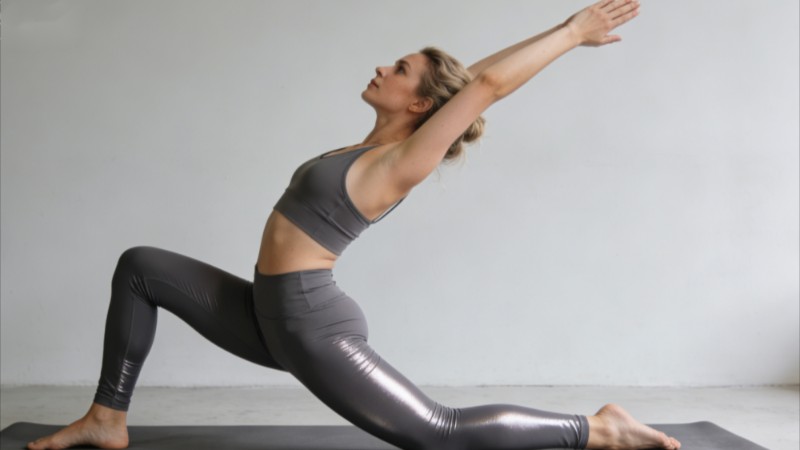
Choosing between polyester spandex and nylon spandex is a critical decision for performance apparel and everyday wear. Both fabrics offer stretch and comfort, but their core material properties lead to distinct differences in durability, moisture management, and feel. This analysis provides a technical comparison to help you select the optimal fabric for your specific application.
Understanding the Basics: What Are These Fabrics?
Polyester spandex and nylon spandex are blended fabrics. The base fiber—polyester or nylon—provides the primary structural characteristics, while spandex (typically 5-20%) adds elasticity and recovery. The performance of the final fabric is a direct result of this material synergy.
What is Polyester Spandex?
Polyester is a synthetic polymer known for its hydrophobic nature and high tensile strength. When blended with spandex, it creates a fabric that is highly durable, resistant to wrinkles and shrinking, and excels at moisture-wicking. The polyester fibers do not absorb water but instead transport it to the fabric's surface for evaporation.
What is Nylon Spandex?
Nylon, another synthetic polymer, is prized for its exceptional strength-to-weight ratio and soft, silky hand feel. The addition of spandex enhances its natural elasticity. Nylon spandex fabrics are known for their smooth drape, resilience, and ability to withstand significant stress, though they can absorb more moisture than polyester.
Head-to-Head Comparison: Key Differences Explained
The functional divergence between these fabrics becomes clear when evaluated across key performance metrics.
Durability and Strength
Nylon generally offers higher tensile strength, meaning it can withstand greater force before tearing. However, polyester spandex often demonstrates superior resistance to abrasion, pilling, and degradation from UV exposure and chlorine, making it exceptionally durable in high-friction and outdoor environments.
Moisture Management and Breathability
This is a crucial point of differentiation. Polyester's hydrophobic nature allows it to wick moisture away from the skin efficiently, keeping the wearer drier during intense activity. Nylon, being slightly more absorbent, can retain small amounts of moisture, which may lead to a damp feel. In terms of air permeability, the weave and construction are often more significant factors than the fiber type alone.
Stretch, Recovery, and Fit
Both fabrics offer excellent stretch due to the spandex content. Nylon spandex often provides a more compressive, second-skin feel with strong recovery, maintaining its shape over time. Polyester spandex also has good recovery but may offer a slightly less compressive fit, prioritizing freedom of movement.
Feel, Texture, and Drape
The hand feel is distinctly different. Nylon spandex is typically softer, silkier, and has a more luxurious drape. Polyester spandex tends to have a smoother, sometimes slightly slicker texture and can feel cooler to the touch. The choice here is largely subjective and application-dependent.
Care, Maintenance, and Longevity
Both fabrics are low-maintenance, machine washable, and quick-drying. Polyester spandex holds a slight edge in longevity due to its superior resistance to UV degradation, chemicals, and abrasion. Nylon spandex requires more care with heat, as it is more susceptible to damage from high-temperature drying.
Choosing the Right Fabric: Best Use Cases
Selecting the ideal fabric depends on prioritizing the performance attributes that match the intended use.
When to Choose Polyester Spandex
Opt for polyester spandex when maximum moisture-wicking, durability, and environmental resistance are required. It is the workhorse fabric for high-output activities and harsh conditions.
Ideal for: Performance Leggings, Athletic Tops, Swimwear
Its quick-drying, chlorine/UV-resistant, and abrasion-resistant properties make it perfect for running gear, cycling apparel, swimwear, and outdoor activewear.
When to Choose Nylon Spandex
Choose nylon spandex when superior softness, a luxurious drape, and comfortable compression are the primary goals. It excels in applications where feel and aesthetics are as important as function.
Ideal for: Everyday Leggings, Loungewear, Intimate Apparel
Its soft, smooth texture and excellent recovery make it the preferred choice for yoga wear, premium everyday leggings, lingerie, and comfortable loungewear.
Common Myths and Considerations
Debunking the "Breathability" Myth
The term "breathable" is often misapplied. True breathability refers to a fabric's ability to allow air and vapor to pass through. More accurately, polyester is a better *moisture-wicking* fabric, moving sweat away, while a fabric's breathability is largely determined by its knit or weave structure, not solely its fiber content.
Environmental and Sustainability Notes
Both polyester and nylon are derived from petrochemicals. The industry is advancing with recycled variants (e.g., recycled polyester from PET bottles, recycled nylon from fishing nets). For eco-conscious choices, look for fabrics certified with Global Recycled Standard (GRS) or similar, acknowledging that synthetic performance often requires synthetic solutions.
Final Verdict: Which Fabric is Better For You?
The choice between polyester spandex vs nylon spandex is not about a universal winner, but about matching material properties to need. For high-sweat, high-abrasion activities and outdoor use, polyester spandex is the more durable and efficient choice. For comfort-focused wear, yoga, and garments where softness is paramount, nylon spandex provides a superior feel. Assess your priority: is it moisture management and ruggedness, or luxurious compression and comfort? Your answer dictates the better fabric.
FAQ Section: Polyester Spandex vs Nylon Spandex
What is the main difference between polyester and nylon spandex?
The core difference lies in the base fiber. Polyester spandex is more hydrophobic, excelling in moisture-wicking and UV resistance. Nylon spandex is stronger by weight and offers a softer, silkier hand feel.
Which is more durable for leggings: nylon or polyester spandex?
For leggings facing high friction (like training or running), polyester spandex often shows better resistance to pilling and abrasion. Nylon is very strong but may pill more easily in high-wear areas.
Is polyester spandex or nylon spandex more breathable for workouts?
Polyester spandex manages sweat more effectively by wicking it away, keeping you drier. While both can be knit for airflow, polyester's moisture-wicking gives it a perceived breathability advantage during intense workouts.
Does nylon spandex pill more than polyester spandex?
Yes, generally. Nylon's softer fibers are more prone to surface pilling from friction than the typically more abrasion-resistant polyester fibers.
Can you tell the difference by feel between nylon and polyester spandex?
Often, yes. Nylon spandex usually feels noticeably softer, silkier, and warmer to the touch. Polyester spandex tends to feel smoother, slightly slicker, and cooler.